
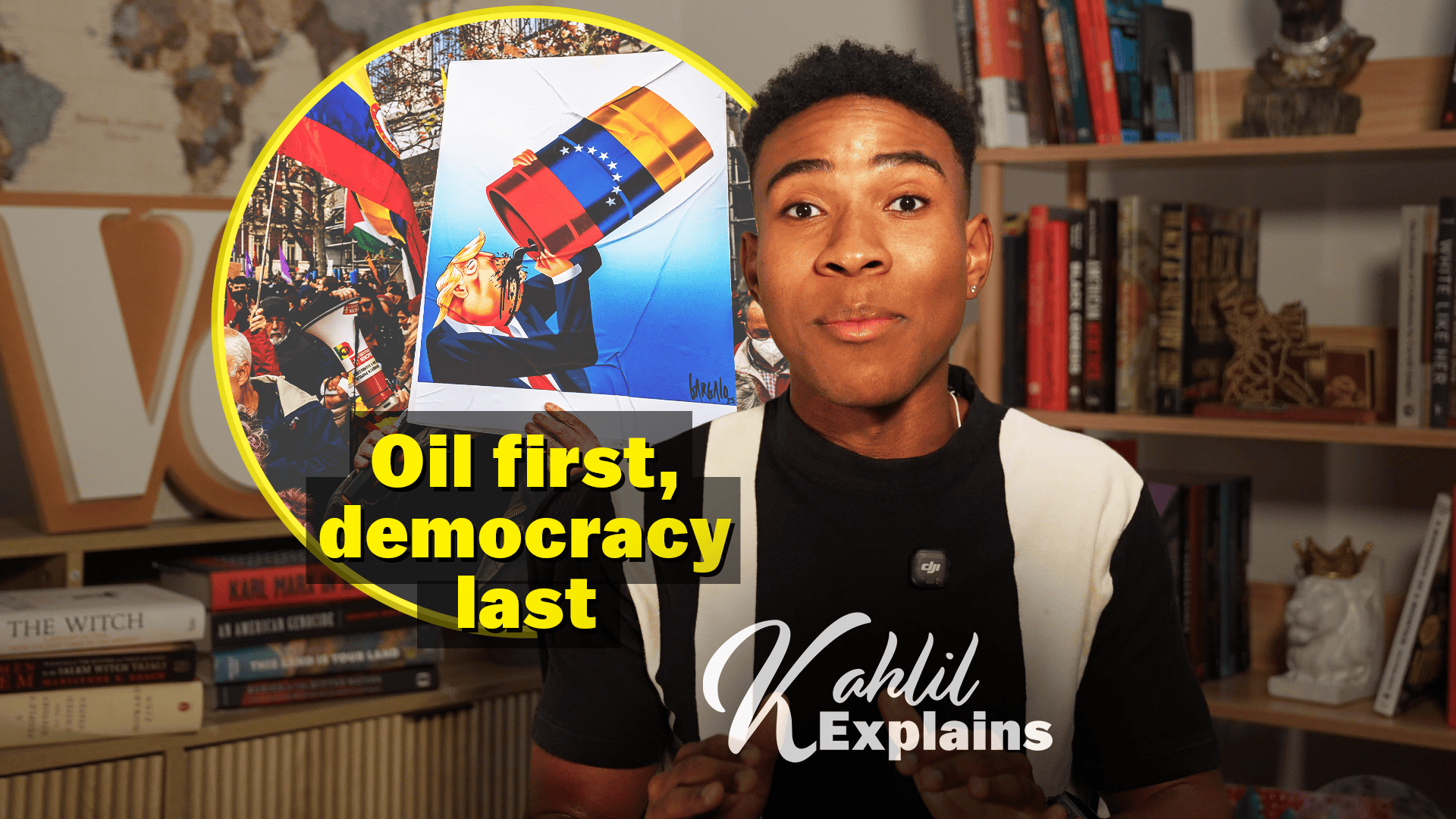
The question of who holds the reins of Venezuela’s future has become a central point of discussion, particularly in the wake of recent political shifts and the significant involvement of the United States. Following a military operation that led to the departure of Nicolás Maduro, a striking poll from Caracas-based firm Meganálisis revealed overwhelming gratitude towards President Donald Trump, with 92 percent of Venezuelans expressing thanks for Maduro’s removal. Furthermore, a substantial 90 percent indicated a desire for the U.S. to be Venezuela’s primary ally. This sentiment has translated into extensive U.S. engagement in shaping the nation’s trajectory.
A Three-Step Plan for Intervention
U.S. Secretary of State Marco Rubio has articulated a clear, three-phase strategy aimed at guiding Venezuela towards a more stable and democratic future. This plan prioritizes stability, followed by economic recovery, and culminating in a transition to democracy. While the initial steps of this roadmap have seen progress, particularly in areas concerning the nation’s vast oil reserves, the implementation of political reforms and the scheduling of democratic elections appear to be progressing at a pace that falls short of the initial hopes of many Venezuelans.
Oil Deals and Democratic Aspirations
Concurrent with the slow march towards democratic reforms, significant developments have occurred regarding control over Venezuela’s oil sector. The U.S. recently announced what it terms “the biggest oil deal in world history” with Venezuela. This rapid advancement in securing oil interests, while potentially offering a pathway to economic recovery, has raised questions about the balance between geopolitical and economic objectives and the promised transition to a fully democratic system. As the Venezuelan populace continues to hold out hope for the final stage of Rubio’s plan – the establishment of a democratic government – the pace of these political transitions remains a critical concern. The initial surge of support for U.S. intervention, fueled by the ousting of Maduro, is now being tested by the realities of a complex and protracted political process.
Navigating a Complex Transition
The situation in Venezuela presents a complex geopolitical landscape where economic interests and democratic aspirations are deeply intertwined. The U.S. administration’s active role, while welcomed by a significant portion of the Venezuelan population, necessitates careful navigation to ensure that the ultimate outcome aligns with the desires for self-determination and genuine democratic governance. The coming months will be crucial in determining whether the commitment to democratic transition can keep pace with the rapid advancements in economic agreements, and ultimately, who will truly decide Venezuela’s future.
SOURCE: Vox
Based on materials: Vox



