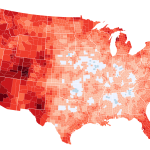
The political landscape of the United States has been dramatically reshaped by a recent “blue tsunami” that has seen unexpected victories for Democrats across the nation. While seismic shifts in states like Kansas, Texas, South Carolina, and Mississippi have captured headlines, a less anticipated, yet equally significant, development is unfolding in Utah. This traditionally staunchly Republican state, a long-time bastion of cultural conservatism and business-friendly policies, appears to be experiencing a notable, albeit tentative, political realignment.
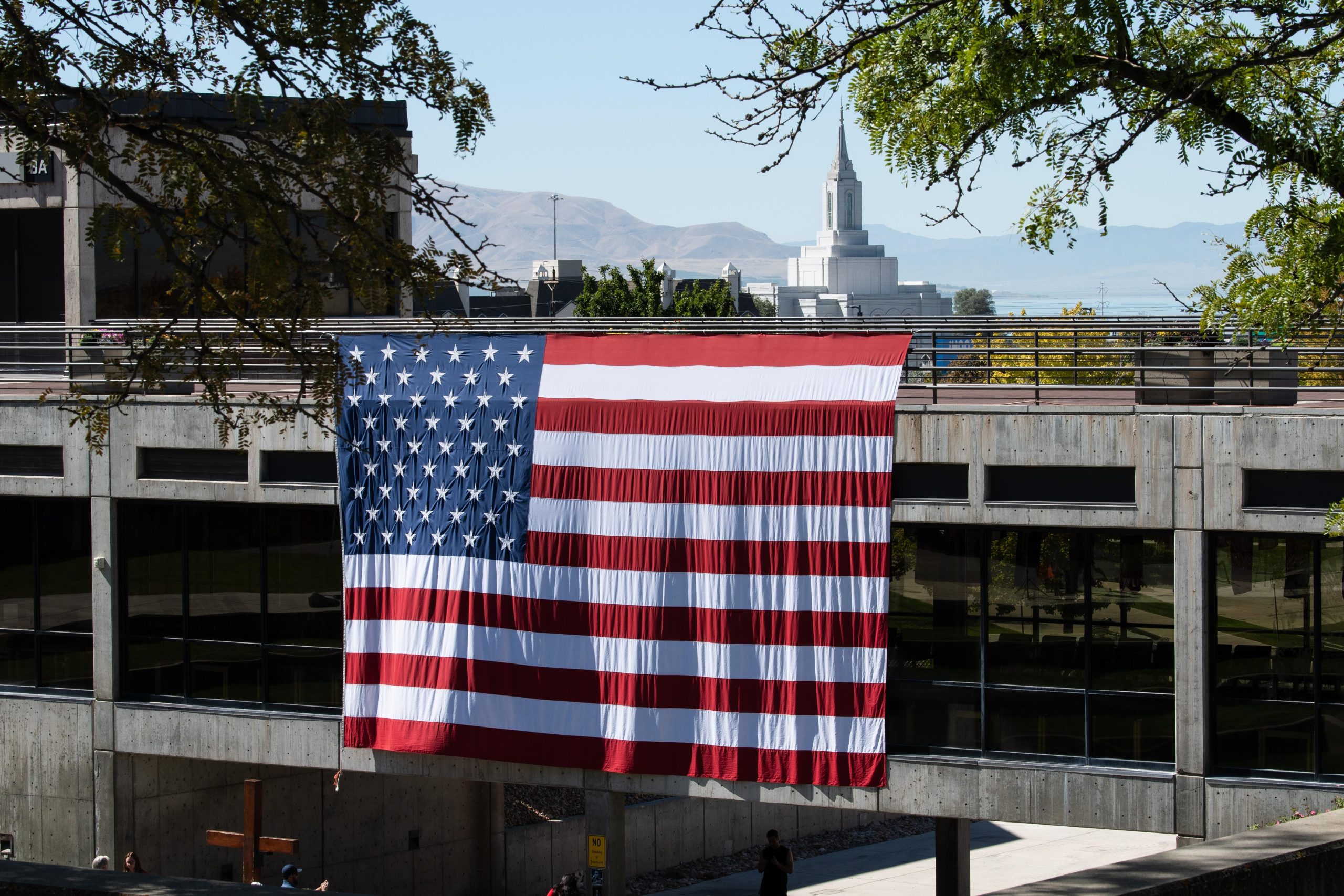
For decades, Utah has been a Republican stronghold, last casting its presidential vote for a Democrat in 1964. Home to prominent Republican figures like Mitt Romney and deeply influenced by the Church of Jesus Christ of Latter-day Saints, the state has consistently favored the GOP in statewide and federal elections. However, as the final votes are tallied from the recent election cycle, preliminary results suggest a surprising divergence from this historical pattern. For the first time in many years, the aggregate vote count indicates a stronger performance for Democratic candidates than their Republican counterparts.
A Glimpse into Utah’s Shifting Demographics
This potential electoral shift in Utah is not an isolated incident but rather a symptom of evolving demographics and a growing appetite for change among a segment of the state’s electorate. While the precise reasons behind this surge are complex and multifaceted, analysts point to a confluence of factors. A growing younger population, an influx of non-Mormon residents, and a desire for more diverse political representation are all contributing to a more varied political outlook. Furthermore, the state’s robust economic growth, often lauded as a success of its business-friendly environment, may also be creating new political aspirations and challenges that traditional Republican platforms are struggling to fully address.
Beyond the Presidential Race: Local Implications
The implications of this trend extend far beyond presidential election cycles. A stronger Democratic showing in Utah could signal a potential for increased competitiveness in future congressional and gubernatorial races. This could lead to a more nuanced political discourse within the state, forcing both parties to adapt their messaging and policy platforms to appeal to a broader range of voters. The “tantalizing dream” of a “Blue Utah,” once confined to the fringes of political speculation, may be inching closer to reality, potentially reshaping the state’s political identity and its representation on the national stage.
The emergence of a stronger Democratic presence in Utah is a testament to the dynamic and often unpredictable nature of American politics. While the long-term impact remains to be seen, this electoral outcome serves as a powerful indicator that even the most entrenched political fortresses can be vulnerable to the forces of demographic change and evolving voter sentiment. As Utah continues to grow and diversify, its political future promises to be an area of intense scrutiny and fascination for observers across the country.
Based on materials: Vox