
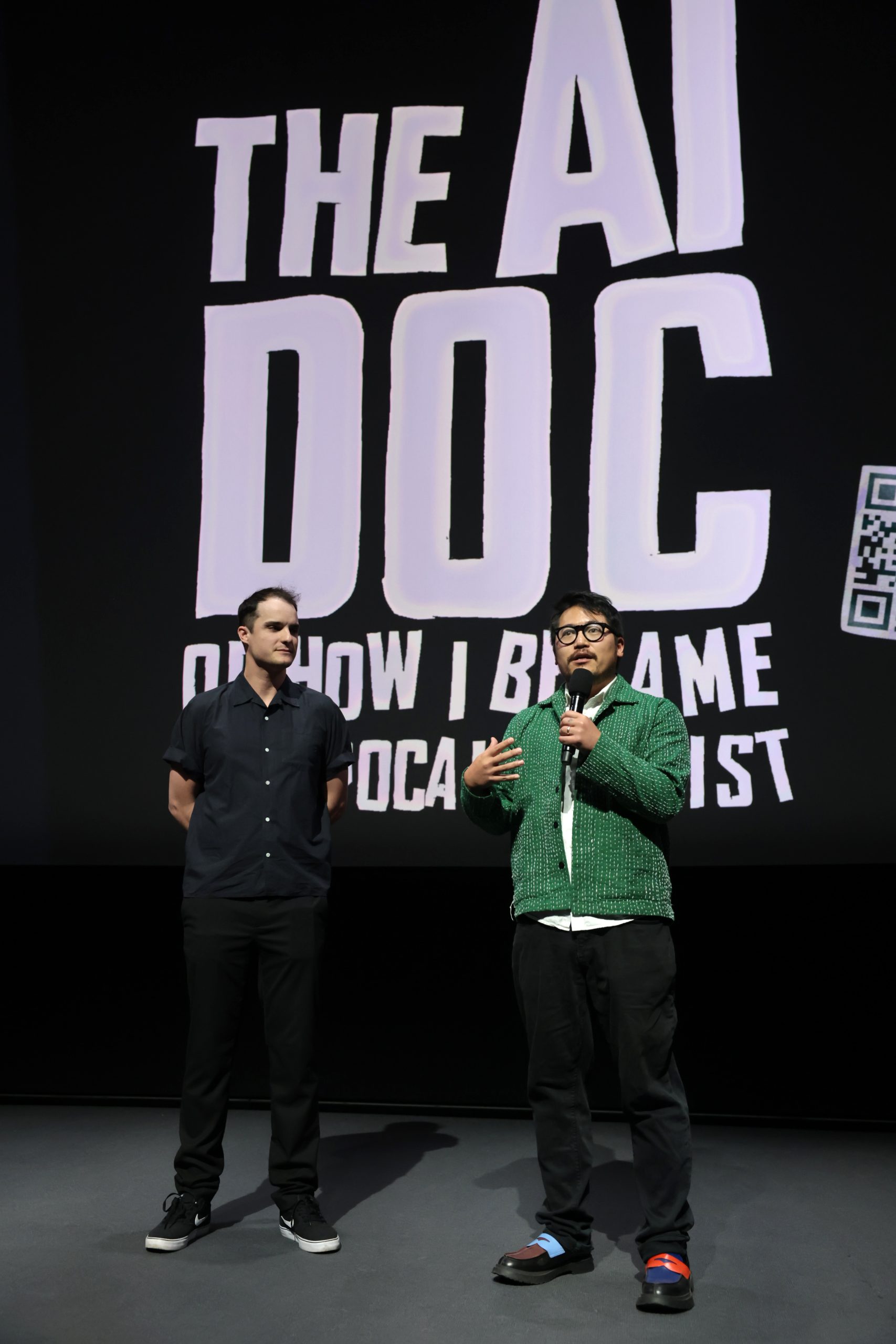
AI Apocalypse? New Doc Explores Fear & Hope in the Age of Machines
The rise of artificial intelligence has sparked a global debate, oscillating between utopian visions of progress and dystopian anxieties of technological takeover. A new documentary, “The AI Doc: Or How I Became An Apocaloptimist” (2026), wades into this complex landscape, attempting to demystify a technology that is rapidly reshaping our world. Director Daniel Roher, by his own admission, grapples with understanding AI, framing it as a “magic box floating in space.” To navigate this intricate subject, he seeks guidance from experts, offering viewers a multi-faceted perspective on the promises and perils of AI.
Clarke’s Prophecy and Modern Anxieties
The film opens with a chilling prediction from science fiction luminary Arthur C. Clarke, who in 1964 foresaw a future where computers would not only think but also surpass human intelligence. This prophecy, once relegated to the realm of science fiction, now feels eerily prescient in the face of increasingly sophisticated AI systems. The documentary taps into the widespread unease surrounding AI, fueled by concerns about job displacement, algorithmic bias, and the potential for autonomous weapons. Roher doesn’t shy away from these anxieties, exploring the ethical dilemmas and societal challenges posed by this transformative technology.
Beyond the Hype: Finding Optimism in the Algorithm
However, “The AI Doc” isn’t solely focused on the doom and gloom. The “Apocaloptimist” subtitle hints at a more nuanced perspective. The film seeks to balance the legitimate concerns surrounding AI with the potential for positive change. It explores how AI is already being used to address some of the world’s most pressing problems, from developing new medical treatments to tackling climate change. By showcasing these beneficial applications, the documentary aims to move beyond the sensationalized headlines and foster a more informed understanding of AI’s capabilities.
Navigating the Future with Informed Discourse
Ultimately, “The AI Doc” serves as a crucial contribution to the ongoing conversation about artificial intelligence. It acknowledges the inherent uncertainties and risks while also highlighting the opportunities for innovation and progress. By engaging with experts and presenting diverse viewpoints, the film encourages viewers to think critically about the role of AI in shaping our future. As AI continues to evolve at an unprecedented pace, informed discourse and careful consideration of its ethical implications are more critical than ever. Documentaries like this play a vital role in fostering a more balanced and constructive dialogue, helping us navigate the complex landscape of artificial intelligence with both caution and optimism.
Based on materials: Vox



