
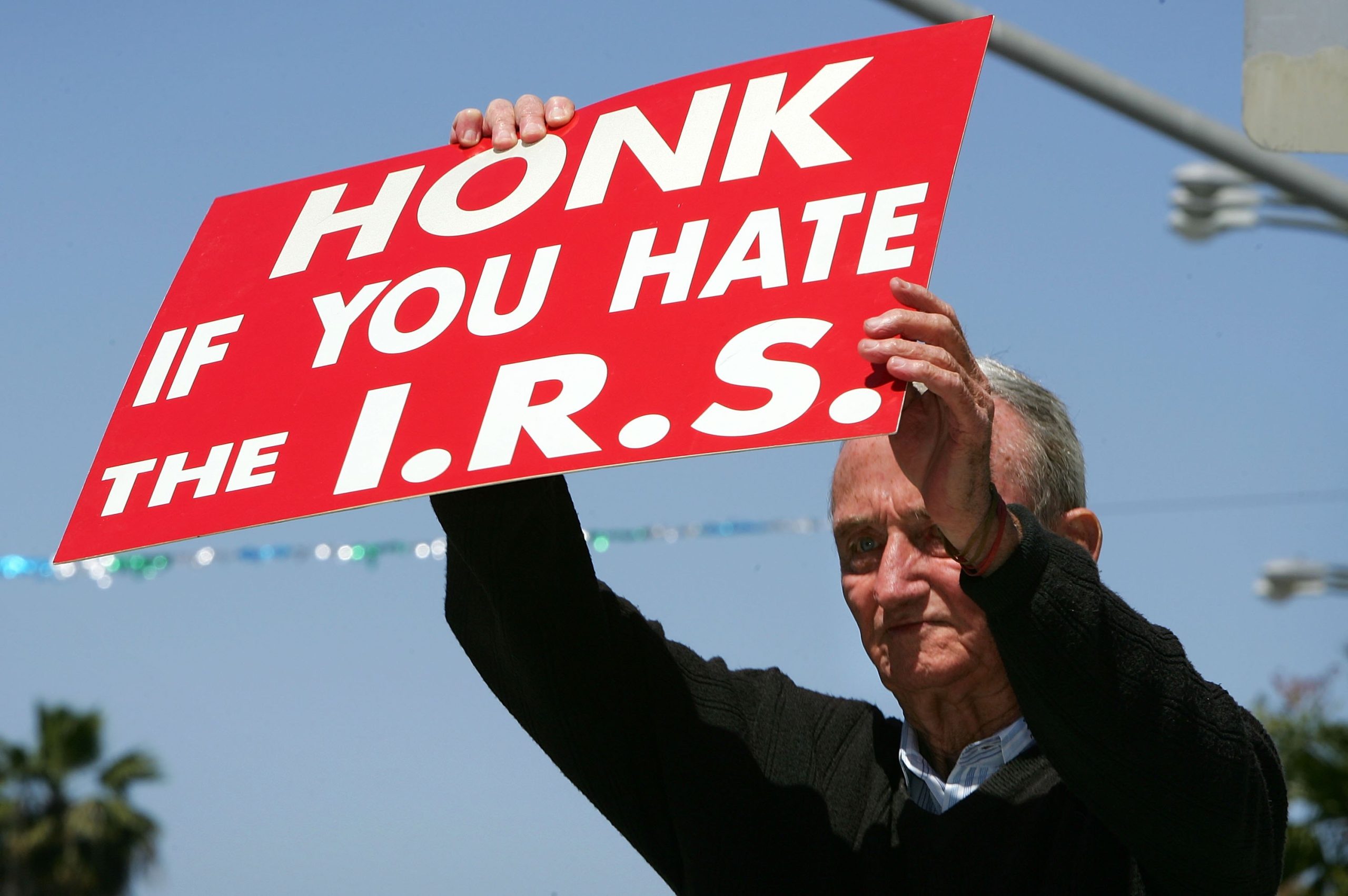
Taxpayer Ire Rising: Are We Witnessing a New Tax Revolt?
Americans are increasingly disgruntled about their tax burden, sparking discussions about potential tax reforms and igniting political debates across the nation. A recent Gallup poll reveals a significant shift in public sentiment, with a growing number of citizens believing they are paying too much in federal taxes. Could this growing discontent signal a new era of tax revolts, echoing historical movements fueled by similar grievances?
The Shifting Sands of Public Opinion
For much of the early 21st century, a considerable portion of Americans felt that their federal tax contributions were “about right,” according to Gallup surveys. However, in recent years, this sentiment has been waning. Last year, nearly 60% of Americans expressed the belief that they are overtaxed, marking a notable increase in taxpayer dissatisfaction. This shift raises crucial questions about the perceived fairness and effectiveness of the current tax system. What are the underlying factors driving this increasing resentment? Is it a reflection of economic anxieties, concerns about government spending, or a combination of both?
Red States Lead the Charge: Property Tax Cuts and More
The growing anti-tax sentiment is already manifesting in tangible policy changes, particularly in Republican-led states. Lawmakers are actively pursuing property tax cuts, with some even contemplating the complete elimination of property taxes. These measures aim to provide immediate relief to homeowners and address concerns about the rising cost of living. But are these cuts sustainable in the long run, and what are the potential consequences for public services and infrastructure?
Democrats Respond: Targeting the Wealthiest
Even within the Democratic party, the pressure to address taxpayer concerns is mounting. Some Democratic lawmakers are proposing substantial tax cuts, funded by increased taxes on the wealthiest individuals. This approach reflects a growing debate about wealth inequality and the need for a more progressive tax system. However, such proposals often face strong opposition and raise complex questions about economic impact and fairness.
The Road Ahead: A Balancing Act
The rising tide of taxpayer discontent presents both challenges and opportunities for policymakers. Addressing these concerns requires a careful balancing act between providing tax relief, ensuring adequate funding for public services, and promoting economic fairness. Whether this unrest evolves into a full-blown “tax revolt” remains to be seen, but it’s clear that tax reform is poised to be a central issue in the political landscape for the foreseeable future.
Based on materials: Vox



