
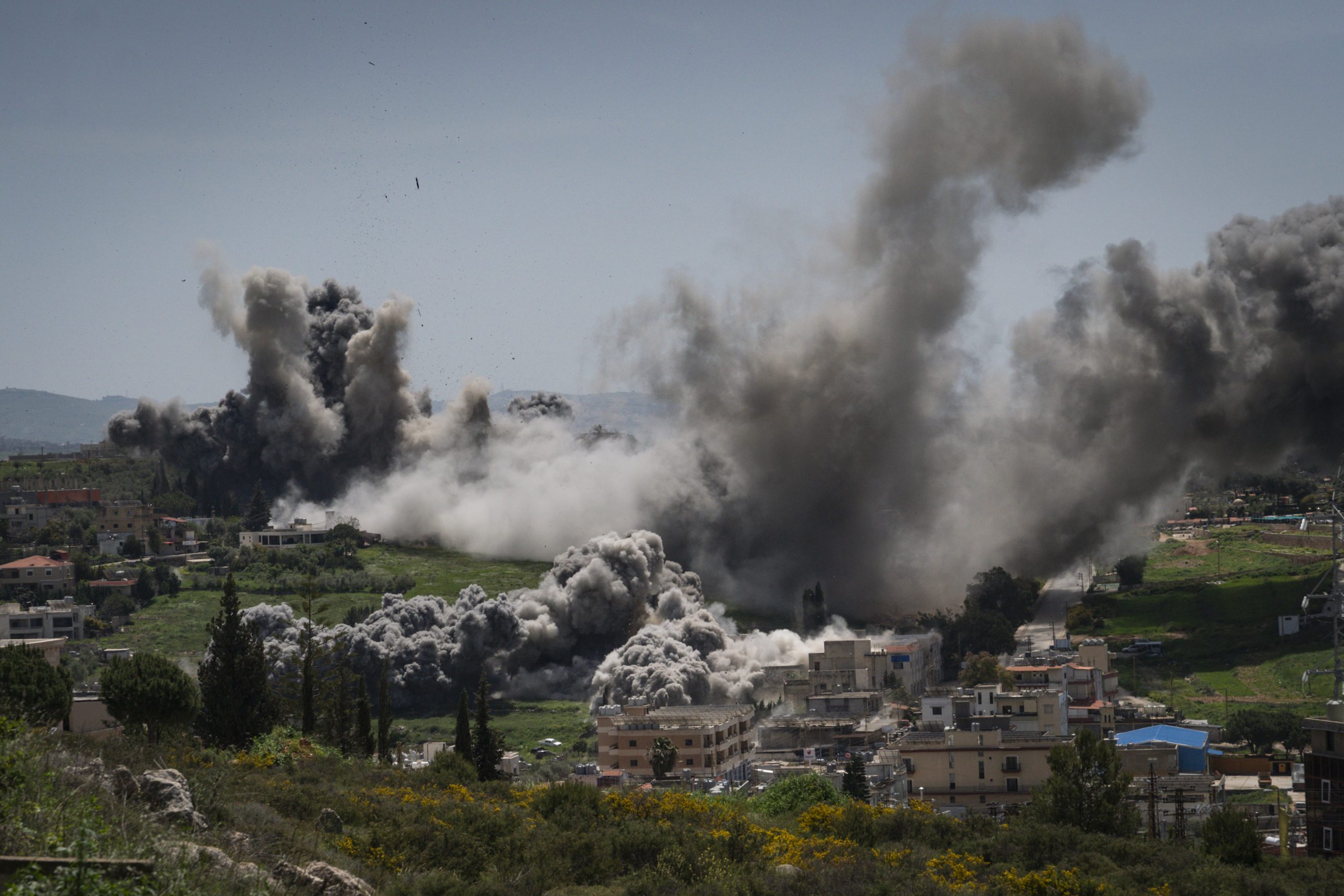
Israel, Lebanon Agree to Ceasefire After Weeks of Hostilities
After six weeks of intense fighting, Israel and Lebanon have agreed to a ceasefire, offering a glimmer of hope for a region scarred by conflict. The fragile truce, brokered with the aid of the United States, aims to halt the devastating cycle of violence that has claimed thousands of lives and displaced over a million people. Announced via social media by President Donald Trump, the 10-day pause is intended to pave the way for a more lasting peace. But can this ceasefire truly hold, and what are the underlying factors that led to this point?
A Conflict Rooted in Regional Tensions
The recent escalation began shortly after initial US and Israeli strikes on Iran, when Hezbollah, an Iran-backed militant group, launched an attack on a northern Israeli village. Israel responded with swift and overwhelming force, unleashing a barrage of missiles that decimated homes and infrastructure in Lebanon. This latest round of hostilities is deeply intertwined with broader regional tensions, particularly the ongoing conflict between the US, Israel, and Iran. Hezbollah’s involvement highlights the complex web of proxy wars and geopolitical maneuvering that plague the Middle East.
Washington’s Role in De-escalation
The ceasefire agreement follows direct talks between Israeli and Lebanese representatives in Washington, D.C., marking the first such engagement in decades. These discussions, coupled with the backdrop of a US-Iran ceasefire, suggest a concerted effort by the United States to de-escalate the situation. Whether this represents a genuine commitment to lasting peace or a temporary measure to stabilize the region remains to be seen. However, experts emphasize that any sustainable solution must address the root causes of the conflict, including the unresolved issues of border disputes, Hezbollah’s presence in southern Lebanon, and the broader regional power dynamics.
A Fragile Hope for Peace
While the ceasefire offers a much-needed respite from the violence, it is crucial to acknowledge its fragility. The deep-seated mistrust between Israel and Lebanon, coupled with the influence of external actors, could easily unravel the agreement. The true test of the ceasefire will be whether both sides can adhere to its terms, engage in meaningful dialogue, and address the underlying issues that fuel the conflict. Furthermore, the long-term stability of the region depends on resolving the broader geopolitical tensions involving Iran, the US, and their respective allies. The coming days and weeks will be critical in determining whether this ceasefire marks a turning point towards lasting peace or merely a temporary pause in an enduring conflict.
Based on materials: Vox



