
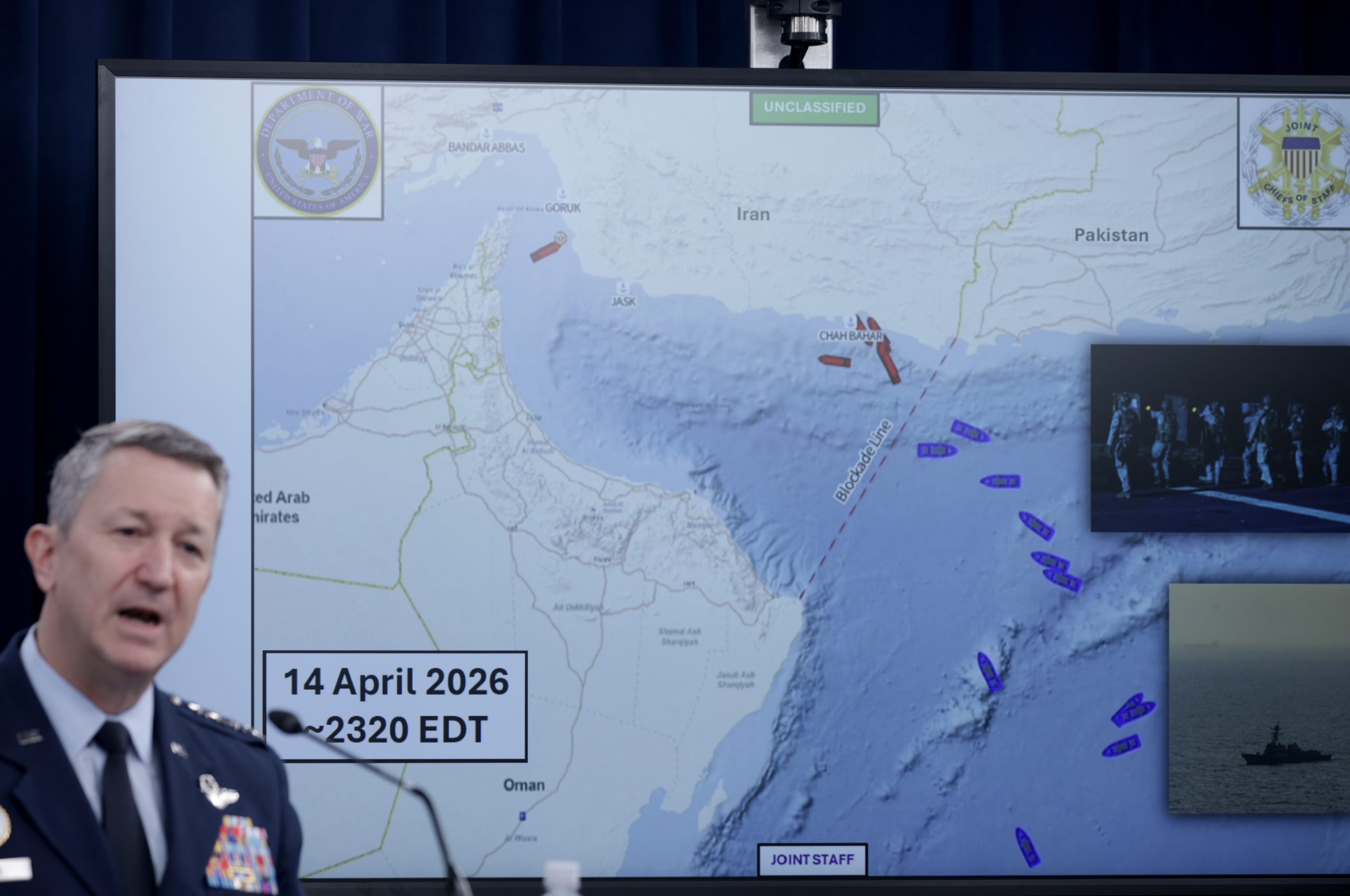
For over a month, the Strait of Hormuz, a critical artery in the global energy network, has been effectively shut down, disrupting the flow of oil from Gulf producers to the rest of the world. This closure, a direct consequence of the ongoing conflict between the United States and Iran, has already impacted the prices of fuel, diesel, fertilizers, and plastics, raising concerns among American consumers about the potential ripple effects on everyday expenses, particularly food prices.
The Unseen Impact on Your Plate
The logic is straightforward: higher energy costs translate to increased transportation expenses for food producers and distributors. Fertilizers, essential for agriculture, also become more expensive. These increased costs, theoretically, should eventually trickle down to the consumer, leading to higher prices at the grocery store. However, despite the prolonged disruption, recent economic data paints a different picture. According to the latest Consumer Price Index (CPI) released in March, food prices have remained surprisingly stable, showing no significant increase compared to the previous month.
Why Food Prices Haven’t Spiked (Yet)
Several factors may be contributing to this unexpected stability. Firstly, there’s a lag time between energy price fluctuations and their impact on the food supply chain. Existing inventories and pre-negotiated contracts may be shielding consumers from immediate price shocks. Secondly, the US agricultural sector is vast and diverse, with varying degrees of reliance on imported resources. Some regions and commodities may be more vulnerable than others, and the overall impact is diluted across the entire market.
Furthermore, geopolitical developments may be playing a crucial role. Recent reports suggest that the US and Iran have reached an agreement, potentially de-escalating the conflict and paving the way for the reopening of the Strait of Hormuz. This news could be tempering market anxieties and preventing further price surges.
A Cautious Outlook
While the immediate impact on food prices appears to be minimal, it is crucial to remain vigilant. The situation remains fluid, and any renewed escalation in the region could quickly reverse the current stability. Consumers should also be aware that the long-term consequences of the Strait of Hormuz closure may still materialize, albeit with a delayed effect. Monitoring future CPI releases and geopolitical developments will be essential to understanding the true extent of the conflict’s impact on American grocery bills.
Based on materials: Vox



