
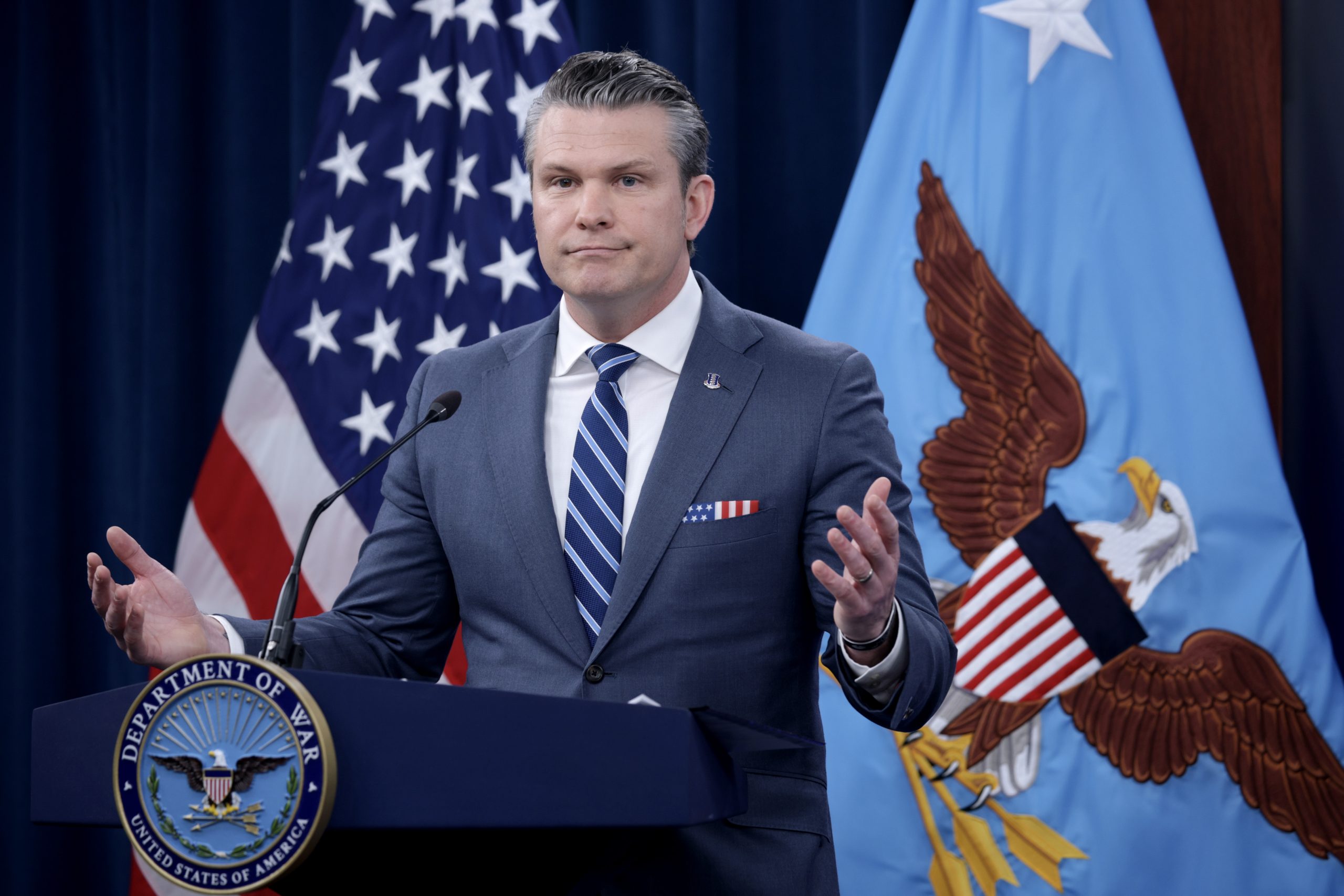
The Pentagon has quietly rolled back its mandatory flu vaccination policy for service members, a move that’s sparking debate about individual liberties versus military readiness. The decision, announced by Defense Secretary Pete Hegseth, marks a significant shift from established protocol and raises questions about the potential impact on troop health and operational effectiveness.
Flu Shots: A Historical Military Requirement
For years, the U.S. military has required annual flu vaccinations for its personnel, citing the need to maintain peak physical condition and minimize the spread of illness, particularly in close-quarters environments like ships, barracks, and forward operating bases. The rationale has always been clear: a flu outbreak can cripple a unit, hindering its ability to perform its duties and potentially jeopardizing national security. Vaccination, therefore, was seen as a non-negotiable aspect of military service.
Hegseth’s Decision: Individual Choice Takes Center Stage
While the exact reasons for the policy reversal remain somewhat opaque, the decision appears to align with a broader emphasis on individual choice and potentially a skepticism towards mandatory medical interventions. Hegseth’s announcement highlights a willingness to prioritize personal autonomy, even within the traditionally hierarchical and regimented structure of the military. The move has been met with mixed reactions, with some veterans and active-duty personnel applauding the decision as a victory for personal freedom, while others express concern about the potential health consequences for themselves and their colleagues.
Potential Ramifications and a Call for Vigilance
The long-term effects of this policy change are yet to be seen. Public health experts warn that a decrease in vaccination rates could lead to more frequent and severe flu outbreaks within the military, potentially impacting readiness and increasing healthcare costs. The absence of a mandate places a greater emphasis on individual responsibility and education. Military leaders will need to proactively encourage vaccination through informational campaigns and accessible healthcare services to mitigate the risks associated with lower vaccination rates. Furthermore, robust surveillance systems will be crucial to detect and respond to outbreaks swiftly, preventing widespread illness from compromising military operations. The change signals a notable shift in military health policy, and its success will hinge on a delicate balance between individual liberty, public health, and national security.
SOURCE: Vox
Based on materials: Vox



