
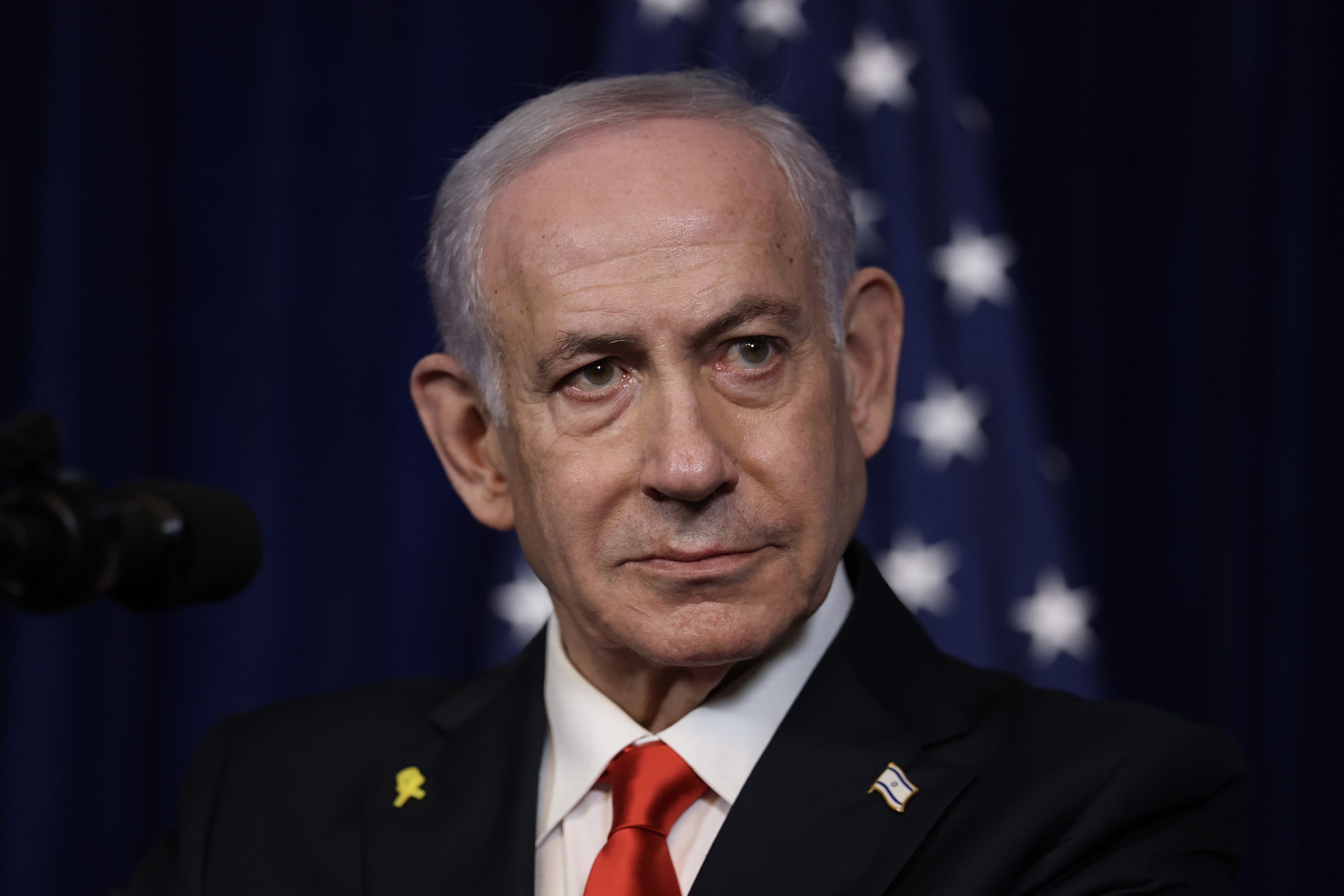
Netanyahu’s Grip on Israel: Mirroring Global Autocratic Trends?
As Israel navigates a complex political landscape, observers are drawing parallels between Prime Minister Benjamin Netanyahu’s leadership and the rise of populist, authoritarian-leaning figures seen in other parts of the world. Could Israel be on a similar path to countries like Hungary, where democratic norms have been challenged?
Observing Hungary: A Warning Sign?
Earlier this year, Yonatan Levi, a scholar from the Israeli think tank Molad, traveled to Hungary to study the strategies employed by opposition leader Péter Magyar in his campaign against Prime Minister Viktor Orbán. Levi, along with a group of parliamentarians and activists, aimed to glean insights that could be applied to the upcoming Israeli elections. They viewed Orbán as a model for Netanyahu’s policies and approach to governance and felt that Magyar’s approach might be useful in unseating the long-time Israeli leader.
The trip reflects a growing concern among some Israelis that Netanyahu’s administration is exhibiting characteristics reminiscent of autocratic regimes. These include consolidating power, undermining independent institutions, and employing divisive rhetoric. Levi believes that while Israel isn’t yet a “Middle East Hungary,” it’s moving in that direction.
Echoes of Global Populism
The comparison to Hungary is not isolated. Across the globe, a wave of populist leaders has emerged, often employing similar tactics: appealing directly to a specific base of supporters, demonizing political opponents and the media, and questioning the legitimacy of democratic processes. These leaders often prioritize national sovereignty over international cooperation and exhibit a skepticism towards established norms.
Netanyahu’s critics argue that his actions, such as his ongoing efforts to weaken the judiciary and his handling of dissent, mirror these global trends. They fear that these actions could erode Israel’s democratic foundations and undermine its commitment to human rights.
The Opposition’s Strategy
Opposition parties in Israel are keenly aware of these concerns. They are framing their campaigns around the need to defend democracy and prevent Israel from sliding further down a path towards authoritarianism. The success of Magyar’s campaign in Hungary has offered them hope and a potential roadmap for challenging Netanyahu’s dominance. Whether they can successfully mobilize public support and unseat the long-serving prime minister remains to be seen, but the stakes are undeniably high for the future of Israeli democracy.
Conclusion
The debate surrounding Netanyahu’s leadership and its potential implications for Israeli democracy highlights a broader global trend. As populism and authoritarianism continue to rise in various parts of the world, Israel finds itself at a crossroads. The upcoming elections will be a crucial test of the country’s commitment to democratic values and its ability to resist the allure of autocratic tendencies.
Based on materials: Vox



