
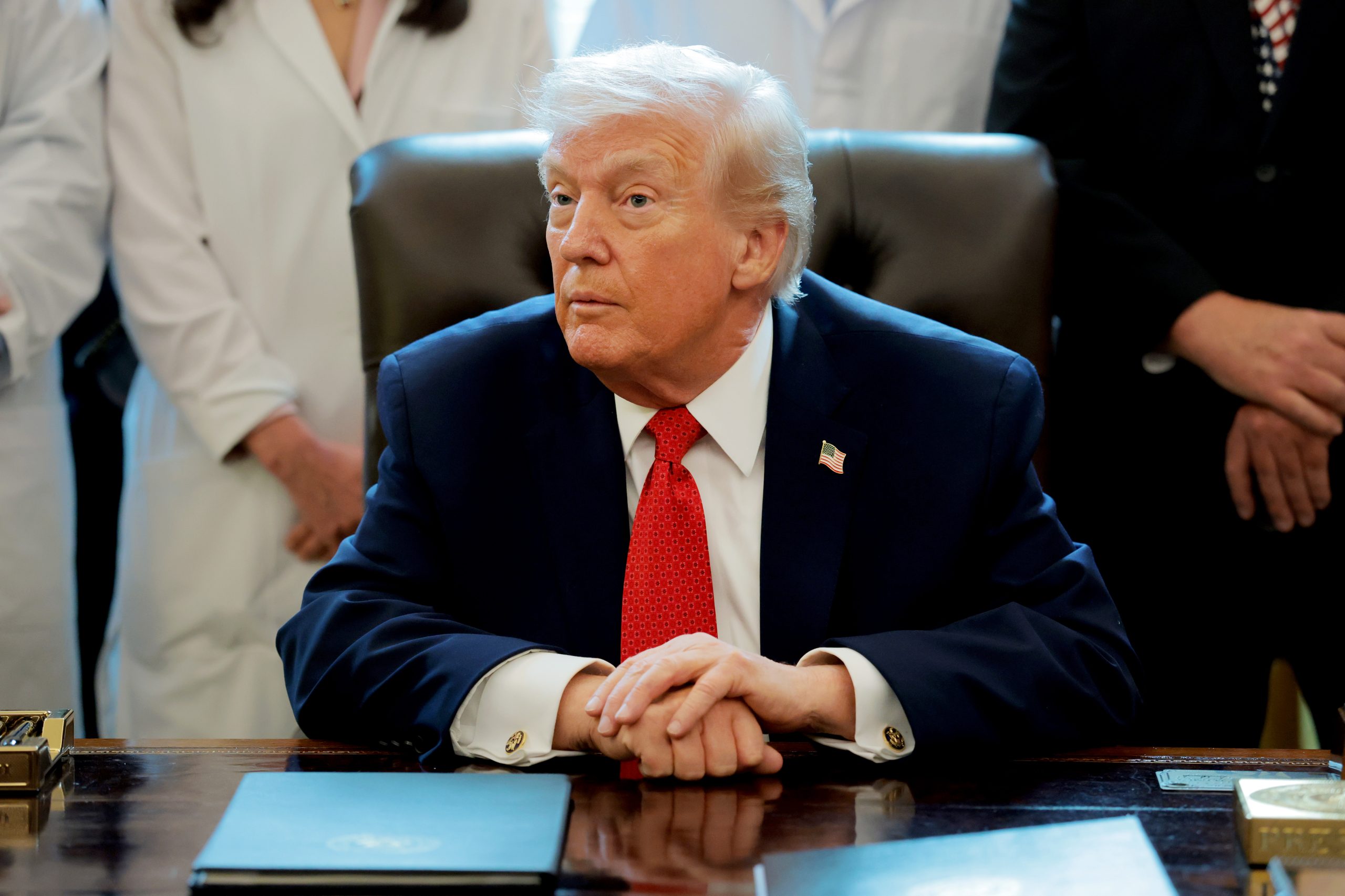
Trump Administration Reclassifies Marijuana: A Significant Shift
In a move that signals a potentially seismic shift in federal drug policy, the Trump administration has announced a loosening of restrictions on medical marijuana. The Justice Department revealed that state-licensed medical marijuana and FDA-approved marijuana products will be reclassified from Schedule I to Schedule III under the Controlled Substances Act. This decision marks a significant departure from the previous hardline stance and acknowledges the growing acceptance of marijuana’s medicinal properties.
From Heroin’s League to… What Exactly?
Previously, as a Schedule I drug, marijuana was grouped alongside heroin, deemed to have “no currently accepted medical use and a high potential for abuse” by the federal government. This categorization has long been criticized by advocates who point to the increasing body of evidence supporting marijuana’s therapeutic potential for a range of conditions, from chronic pain to epilepsy. The move to Schedule III acknowledges this potential, but what does it actually mean?
The reclassification doesn’t legalize marijuana outright. Schedule III drugs are still controlled substances, requiring prescriptions and facing regulations. However, it opens the door for further research into marijuana’s medical applications, as it becomes easier for scientists to study the drug. It also eases some of the burdens on state-licensed medical marijuana businesses, who have long faced the threat of federal intervention. Furthermore, this could pave the way for pharmaceutical companies to develop and market marijuana-based medications, potentially leading to wider availability and acceptance of medical marijuana.
Political Implications and Future Outlook
This shift in policy could have significant political ramifications. It suggests a growing willingness within the Republican party to consider marijuana reform, potentially appealing to younger voters and those concerned with individual liberty. Whether this will translate into further reforms, such as federal legalization, remains to be seen. However, this action is very unlikely and simply reclassifies marijuana.
Conclusion: A Step Forward, But More to Come?
The Trump administration’s decision to reclassify medical marijuana is undoubtedly a landmark moment in the ongoing debate over marijuana policy. While it falls short of full legalization, it represents a significant step towards recognizing the medical potential of marijuana and easing the regulatory burdens on state-licensed businesses. This shift could have far-reaching implications for research, pharmaceutical development, and the broader political landscape. The move signals a change in attitudes toward marijuana at the highest levels of government, suggesting that the future of marijuana policy in the United States may be headed in a more progressive direction.
Based on materials: Vox



