
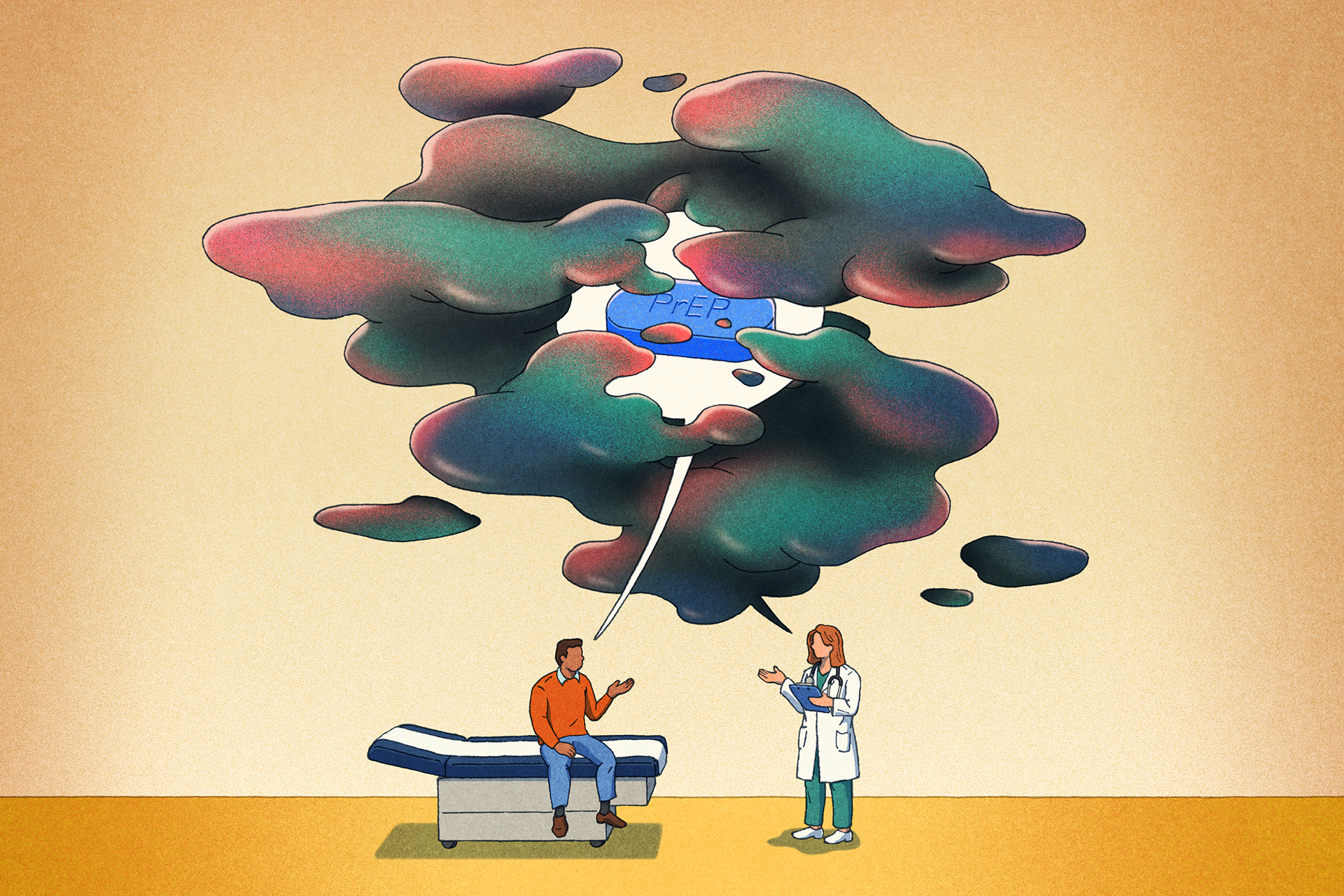
Despite groundbreaking advancements in HIV prevention, particularly the advent of PrEP (Pre-Exposure Prophylaxis), the United States continues to grapple with an ongoing epidemic. PrEP, a highly effective daily medication, offers a powerful shield against HIV transmission. However, access to this life-saving drug remains a significant hurdle for many, revealing systemic issues within the healthcare system and persistent stigmas surrounding HIV.
The Promise of PrEP: A Preventative Revolution
PrEP represents a monumental leap forward in HIV prevention. When taken consistently, it boasts an impressive success rate in blocking the virus. For individuals at high risk, such as those with HIV-positive partners, PrEP offers a crucial layer of protection, empowering them to take control of their sexual health. The science is clear: PrEP works. Yet, the reality on the ground paints a different picture.
Navigating Healthcare Barriers: A Case Study
Brenton Williams’ experience exemplifies the challenges individuals face when trying to access PrEP. With his fiancée living with HIV, Williams sought PrEP as an extra layer of protection. However, his doctor’s reluctance and apparent lack of knowledge about PrEP prescribing practices highlight a critical problem: healthcare provider education and awareness. Williams’ story underscores how even with adequate health insurance, access to PrEP can be unnecessarily complicated.
Stigma and Systemic Roadblocks
The slow adoption of PrEP isn’t solely due to individual healthcare provider issues. Deep-seated stigmas surrounding HIV continue to influence attitudes and behaviors, creating systemic roadblocks. Some providers may harbor misconceptions about PrEP or feel uncomfortable discussing sexual health with patients. Insurance coverage can also be a barrier, with some plans imposing high co-pays or requiring prior authorizations, effectively pricing out vulnerable populations. Furthermore, lack of awareness about PrEP among at-risk communities, particularly in marginalized populations, hinders uptake.
Conclusion: Bridging the Gap
Ending the HIV epidemic in the United States requires a multi-pronged approach. Increasing healthcare provider education about PrEP is paramount, along with addressing the underlying stigmas that contribute to hesitancy and discrimination. Streamlining insurance coverage and expanding access to affordable PrEP options are crucial steps. Public health campaigns targeted at at-risk communities can raise awareness and empower individuals to take proactive steps to protect themselves. Only by dismantling these barriers can we fully realize the transformative potential of PrEP and bring an end to the HIV epidemic.
Based on materials: Vox



