
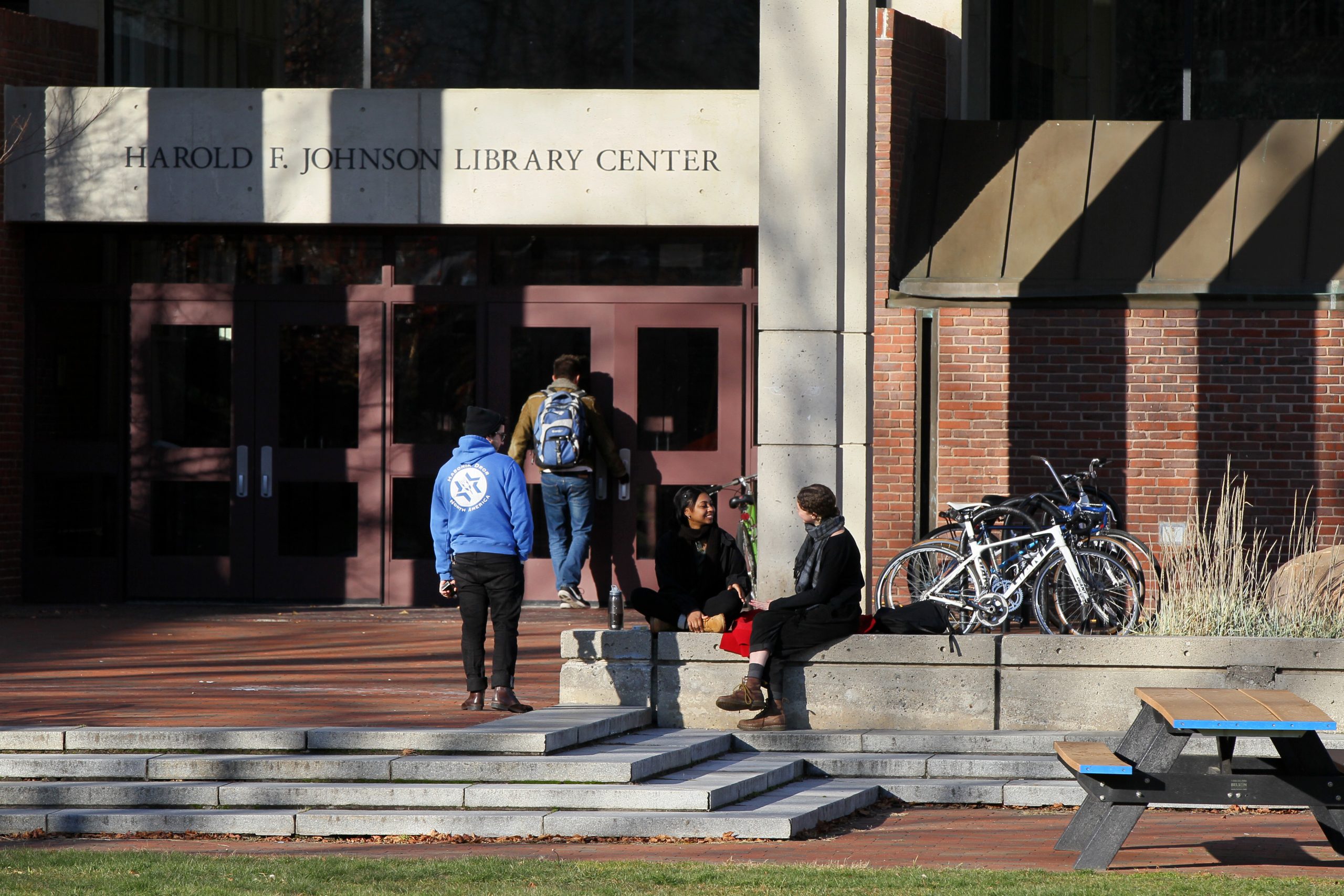
The ivory towers are crumbling, or at least, some of them are. Last week’s announcement that Hampshire College, a liberal arts school in Amherst, Massachusetts, will shutter its doors after the fall 2026 semester serves as a stark reminder: the higher education landscape is shifting, and not all institutions are equipped to weather the storm. Founded in 1965 with a vision to “reimagine liberal arts education,” Hampshire, boasting alumni like Ken Burns and Lupita Nyong’o, seemed an unlikely candidate for closure. Yet, its fate reflects a larger, more troubling trend.
A Wave of Closures Sweeping the Nation
Hampshire is not alone. According to Jon Marcus, a higher education reporter at the Hechinger Report, approximately 100 colleges across the United States have closed since the onset of the COVID-19 pandemic. With roughly 4,000 institutions nationwide, this may seem like a small percentage, but Marcus warns that many more are at risk in the coming years. This isn’t a uniform crisis; the impact is disproportionately felt by smaller, regional colleges. Larger public universities and elite, well-endowed private schools, like Harvard and Yale, are generally secure. But for smaller schools that rely heavily on tuition revenue and lack substantial endowments, the future is uncertain.
Why Are Colleges Struggling?
Several factors are converging to create this precarious situation. The pandemic accelerated existing challenges, including declining enrollment rates, rising tuition costs, and increasing competition for students. The value proposition of a college degree is also being questioned, with some students opting for vocational training or entering the workforce directly, citing concerns about debt and career relevance. The article states large universities and well-endowed schools remain relatively stable.
The Future of Higher Education
The closures of colleges like Hampshire raise fundamental questions about the future of higher education. Will we see a consolidation of institutions, with larger universities absorbing smaller ones? Will online learning become the dominant model, further eroding the traditional campus experience? Or will there be a resurgence of innovative, alternative educational models that can provide affordable, relevant skills for the 21st-century workforce? The answer likely lies in a combination of these factors. Colleges that can adapt to the changing landscape, embrace technology, and demonstrate clear value to students will be the ones that thrive.
In conclusion, the closure of Hampshire College is more than just a local story; it’s a symptom of a larger crisis in higher education. As colleges grapple with declining enrollment, rising costs, and evolving student needs, the future of many institutions hangs in the balance. The coming decade will be a pivotal one, determining which colleges will survive and what the future of higher learning will look like.
Based on materials: Vox



