
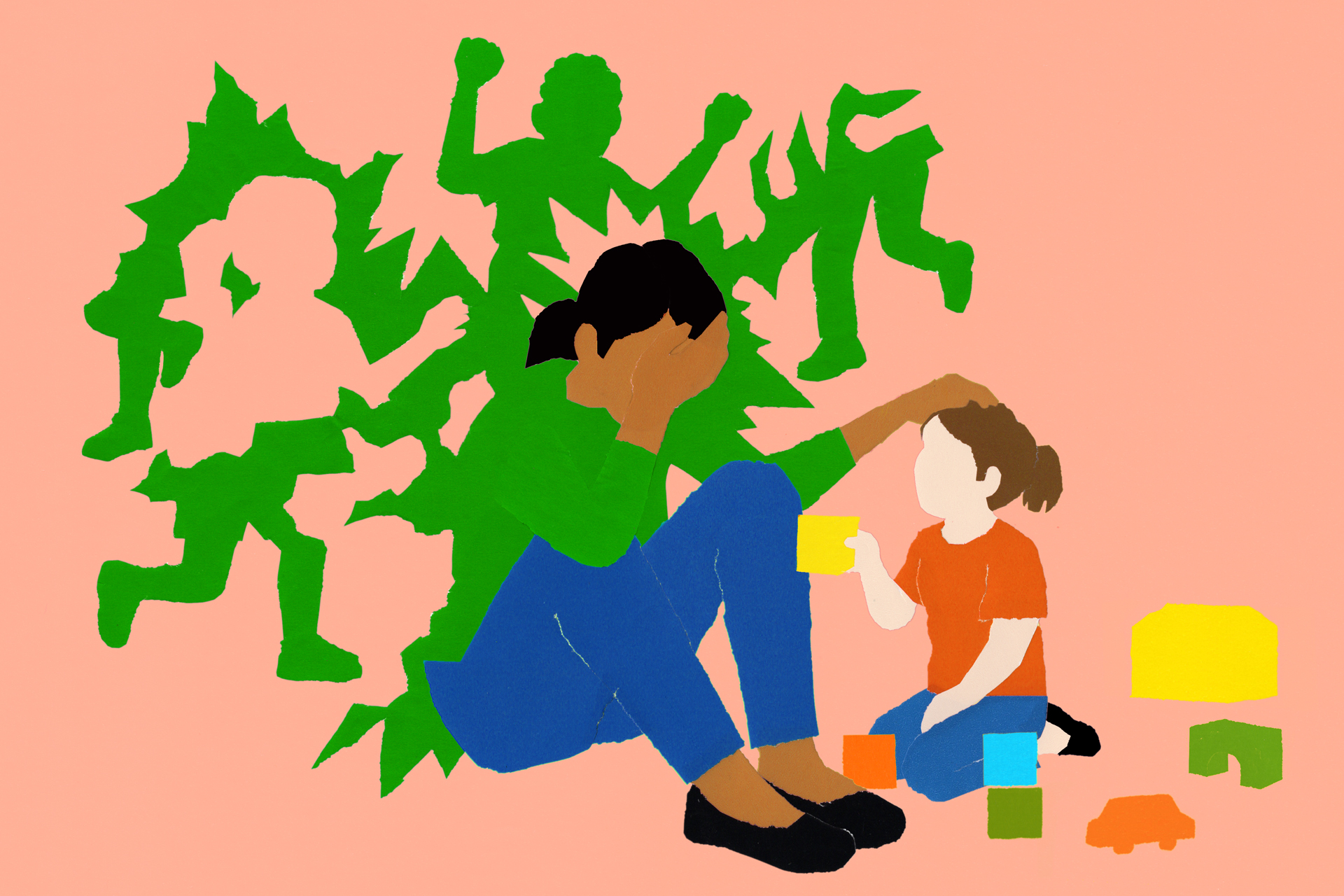
America’s Unseen Epidemic: Caregiver Burnout
More than 63 million Americans shoulder the often-invisible burden of caregiving, tending to children, aging parents, and other loved ones. This selfless act, while born of love and duty, is increasingly leading to a silent epidemic: caregiver burnout. The demands are relentless, the resources scarce, and the emotional toll immense, leaving countless individuals feeling drained and overwhelmed.
The Sandwich Generation Squeeze
The pressure is particularly acute for the “sandwich generation” – those under 50 simultaneously caring for children and parents. These individuals are juggling school runs, doctor’s appointments, household chores, and potentially a full-time job, creating a perfect storm of stress. This constant juggling act leaves little time for self-care, leading to exhaustion, anxiety, and a sense of being perpetually stretched too thin.
Amy Goyer, AARP’s National Family and Caregiving Expert, understands this struggle intimately. Having dedicated much of her life to caring for family members, including grandparents, parents, and a sister, she speaks from experience. “I felt like I was living four people’s lives,” she shared on Vox’s “Explain It to Me” podcast. This feeling of being pulled in multiple directions is a common thread among caregivers, who often sacrifice their own well-being to prioritize the needs of others.
Breaking the Cycle: Finding Support and Setting Boundaries
The key to combating caregiver burnout lies in recognizing the signs early and seeking support. This can involve enlisting the help of other family members, hiring professional caregivers, or joining support groups. It’s also crucial to set realistic boundaries and prioritize self-care, even if it’s just a few minutes each day for relaxation or exercise. Remember, you can’t pour from an empty cup. Taking care of yourself is not selfish; it’s essential for providing the best possible care for your loved ones.
Caregiving is a challenging yet rewarding experience. By acknowledging the risks of burnout and proactively seeking support, caregivers can protect their own well-being and continue to provide compassionate care for those who need it most.
Based on materials: Vox



