
Beijing’s Strategic Gaze: Analyzing the US-Iran Stalemate
As the conflict between the United States and Iran drags into its second month with no clear victor in sight, a silent observer is meticulously analyzing every strategic move: China. Far from being a passive bystander, Beijing is keenly extracting valuable lessons from the ongoing geopolitical chess match, according to James Palmer, deputy editor of Foreign Policy. This analysis transcends mere observation; it’s a calculated effort to refine China’s own strategic playbook in a rapidly evolving global landscape.
Deciphering America’s Military Playbook
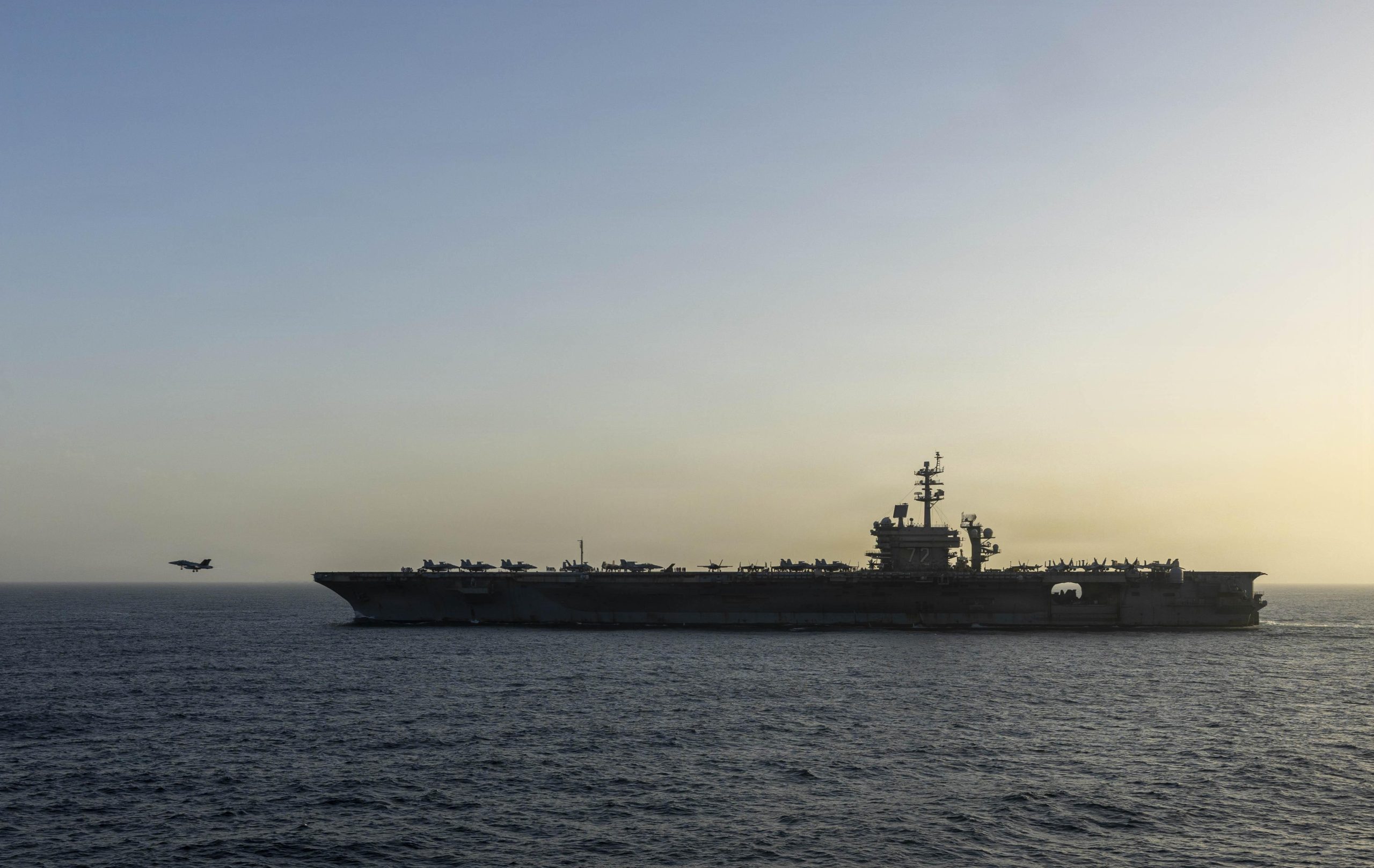
What exactly is China learning from this conflict? Palmer suggests that Beijing is scrutinizing the efficacy of U.S. military tactics, technological deployments, and logistical capabilities in a real-world scenario. This includes assessing the vulnerabilities and strengths of U.S. naval power, air superiority strategies, and the overall effectiveness of its military doctrine.
Furthermore, China is likely analyzing the impact of sanctions and economic warfare on Iran’s ability to sustain the conflict. Understanding how Iran navigates these economic pressures could provide valuable insights for China in the event of future economic confrontations. The conflict also offers a glimpse into how regional powers respond to U.S. military presence and influence, informing China’s own regional strategies.
The Cost of Alienating Allies: A Cautionary Tale
Beyond military tactics, China is also observing the diplomatic landscape surrounding the US-Iran conflict. Palmer highlights that the perceived erosion of trust between the U.S. and its traditional allies, stemming from President Trump’s foreign policy decisions, could have significant implications for any future conflict in the Pacific region. If the U.S. struggles to garner support from its allies, its strategic position in the Pacific could be weakened, creating opportunities for China to assert its influence. The conflict serves as a stark reminder that military might alone is insufficient; strong alliances and diplomatic relationships are crucial for projecting power and achieving strategic objectives.
Seeking Stability Amidst the Chaos
Despite gleaning strategic insights from the US-Iran conflict, China is actively advocating for a ceasefire. This seemingly contradictory stance reflects China’s broader geopolitical goals. While China undoubtedly benefits from observing the U.S. and Iran embroiled in conflict, prolonged instability in the Middle East could disrupt global trade routes and energy supplies, negatively impacting China’s economic interests. Moreover, a protracted conflict could escalate, drawing in other regional and global powers, potentially undermining China’s efforts to promote a multipolar world order.
Conclusion: A World in Flux
The US-Iran conflict serves as a crucial case study for China, offering invaluable lessons in military strategy, diplomatic maneuvering, and the importance of regional stability. By closely monitoring the unfolding events, Beijing is not only refining its own strategic calculus but also positioning itself to navigate the complexities of an increasingly uncertain world. The conflict highlights the shifting dynamics of global power and the growing importance of understanding the strategic perspectives of all key players, including China.
Based on materials: Vox



