
Super El Niño Looms: Will it Shatter Global Warming Limits?
The Pacific Ocean, a critical engine of global climate, is showing signs of a potentially powerful El Niño event, sparking concern among scientists. This natural phenomenon, characterized by warmer-than-average sea surface temperatures in the central and eastern tropical Pacific Ocean, could exacerbate the already alarming effects of human-caused climate change, potentially pushing global temperatures past critical thresholds.
El Niño’s Return: A Climate Game Changer?
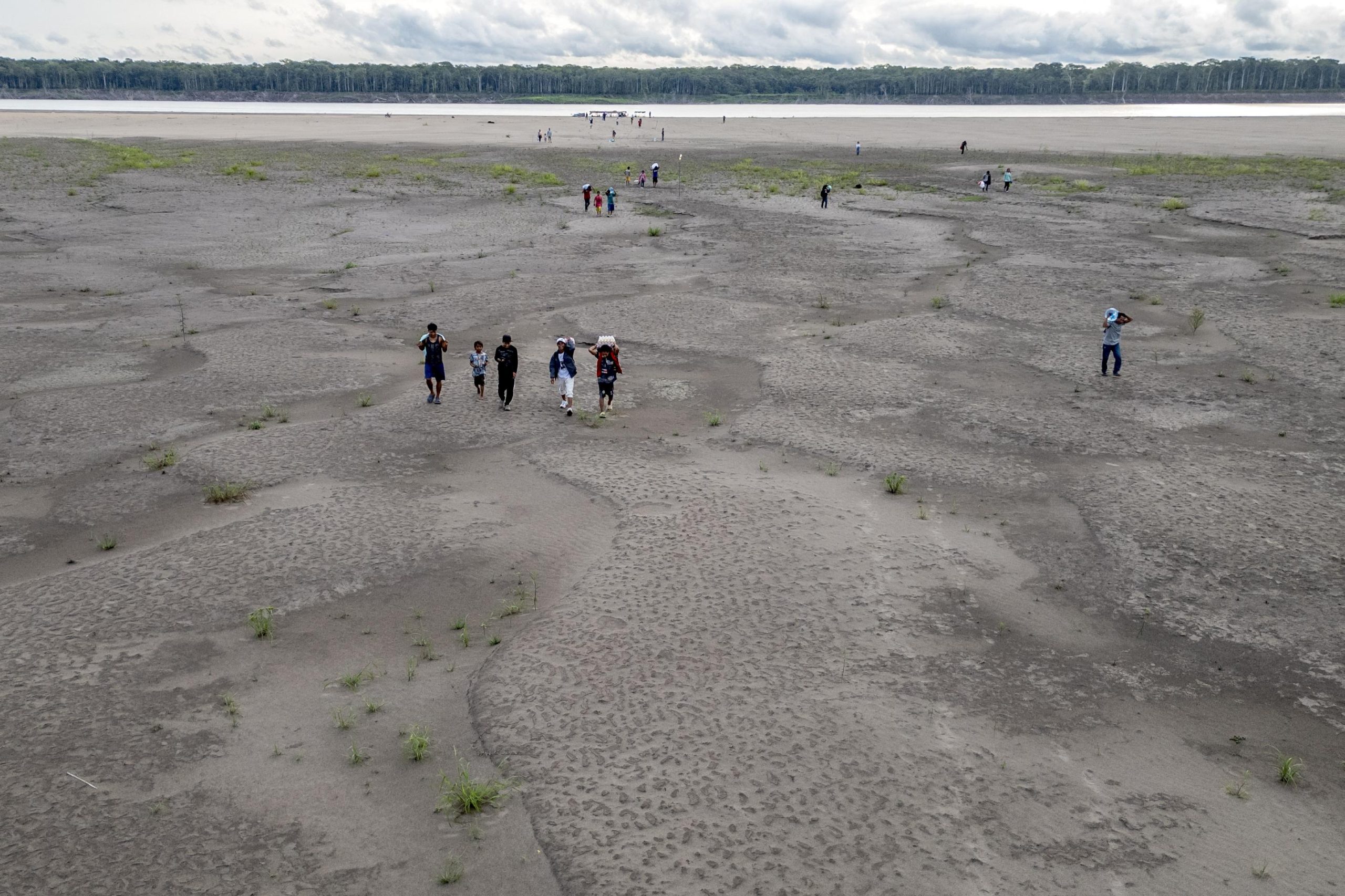
El Niño events are a recurring feature of the Earth’s climate system, influencing weather patterns worldwide. They can trigger droughts in some regions, floods in others, and alter marine ecosystems. Scientists’ projections suggest that the tropical Pacific is heading toward a strong El Niño phase. While El Niño is a natural occurrence, its impact is amplified by the backdrop of a world already grappling with record-breaking temperatures due to greenhouse gas emissions.
Crossing the 1.5°C Threshold?
The looming El Niño raises the specter of temporarily breaching the 1.5 degrees Celsius warming limit, a key target outlined in the Paris Agreement. This international accord aims to limit global warming to well below 2 degrees Celsius above pre-industrial levels, with a preferred target of 1.5 degrees Celsius. While a single year exceeding this threshold wouldn’t automatically trigger irreversible consequences, it would serve as a stark warning about the accelerating pace of climate change and the urgent need for more ambitious action.
The potential consequences of exceeding the 1.5°C threshold, even temporarily, are significant. More frequent and intense heatwaves, prolonged droughts, and increased sea levels are just some of the impacts that could worsen. Vulnerable populations and ecosystems would face even greater risks, further straining resources and exacerbating existing inequalities.
A Call for Urgent Action
The prospect of a strong El Niño event underscores the importance of reducing greenhouse gas emissions to mitigate the long-term effects of climate change. While El Niño is a natural phenomenon, its impact is amplified by human activities. A concerted global effort to transition to clean energy sources, improve energy efficiency, and protect natural ecosystems is essential to avoid the most catastrophic consequences of climate change. The looming El Niño is not just a weather event; it’s a reminder of the interconnectedness of our planet and the urgency of addressing the climate crisis.
Based on materials: Vox



