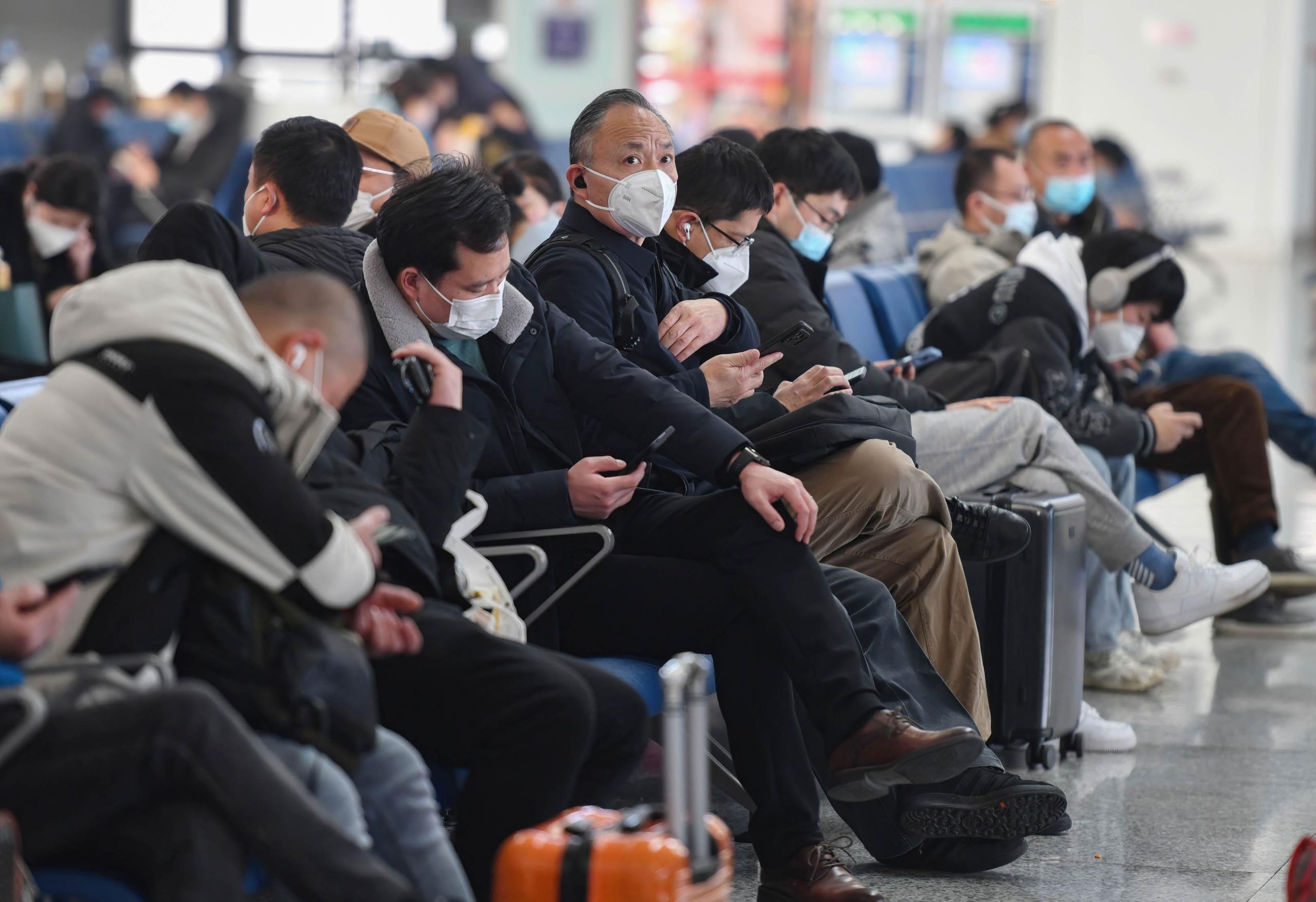
The unassuming glycols, ubiquitous in everyday products from cosmetics to plastic bottles, might hold a surprising key to mitigating the next airborne pandemic. Beyond their common use as antifreeze and refrigerants, vaporized glycols possess a potent ability to neutralize airborne viruses and bacteria, a property largely overlooked in modern infection control strategies. Could this “old” technology offer a simple, cost-effective layer of defense against future respiratory disease outbreaks?
Glycols: More Than Just Antifreeze
Glycols are synthetic compounds derived from crude oil and natural gas, finding widespread application across numerous industries. You encounter them daily, perhaps unknowingly, through toothpaste, bottled salad dressings, or the polyester in your clothes. Their versatility extends to refrigeration, enabling systems to reach lower temperatures than water alone. However, it’s their antiviral and antibacterial potential, demonstrated decades ago, that warrants renewed attention.
A History of Airborne Disinfection
The concept of using vaporized glycols for air purification isn’t new. Research in the mid-20th century showed that these compounds, when dispersed in the air, could rapidly inactivate airborne pathogens like influenza and streptococcus. The mechanism isn’t fully understood, but it’s believed that the glycol molecules disrupt the pathogens’ outer structures, rendering them harmless. While UV-C light and advanced filtration systems are more commonly used today, the simplicity and low cost of glycol vaporization make it an appealing supplementary measure, particularly in resource-limited settings or densely populated areas.
Reviving a Forgotten Weapon
So, why haven’t vaporized glycols become a standard tool in our pandemic prevention arsenal? Several factors likely contributed to their decline in popularity, including the emergence of more sophisticated technologies, concerns about potential long-term health effects (though studies have generally shown them to be safe at low concentrations), and a lack of widespread awareness of their efficacy. However, in a world increasingly vulnerable to novel respiratory viruses, revisiting this “old” technology could prove invaluable. Further research into optimal concentrations, delivery methods, and potential synergistic effects with other infection control measures is essential to fully unlock the potential of vaporized glycols in safeguarding public health.
In conclusion, while not a silver bullet, vaporized glycols represent a potentially powerful and readily deployable tool in the fight against airborne pathogens. By re-examining this forgotten technology, we might gain a crucial advantage in preventing the next pandemic from taking hold.
Based on materials: Vox