
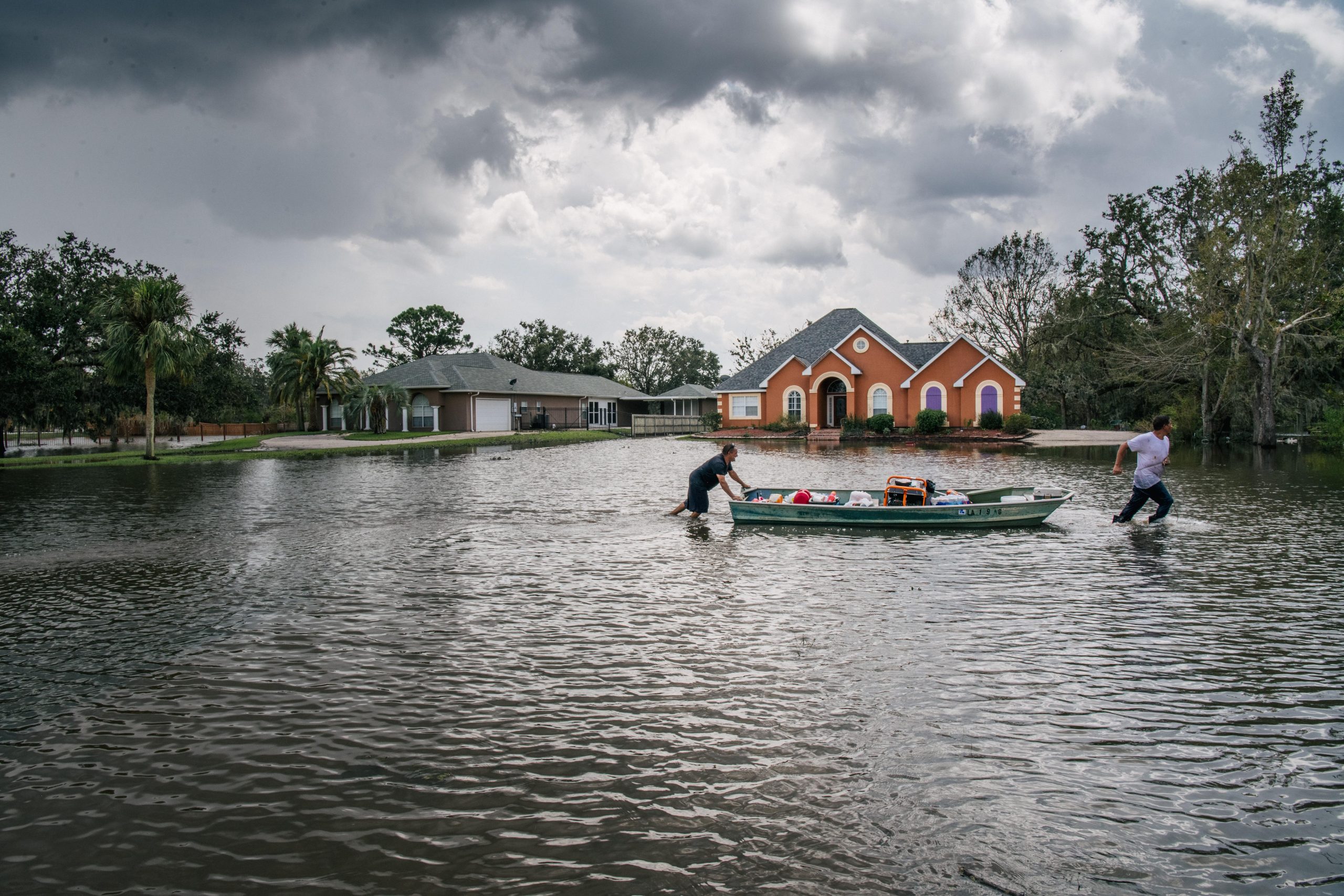
Is Time Running Out for the Big Easy? Climate Study Sounds Alarm
New Orleans, a city steeped in history, culture, and resilience, faces an increasingly dire future. A new study, amplified by
The Guardian
and
Climate Desk
, paints a stark picture: the city could be largely surrounded by the Gulf of Mexico before the century’s end, prompting a difficult question: Is it time to consider relocating its residents?
The study points to a confluence of factors pushing New Orleans toward this precipice, primarily driven by the escalating climate crisis. Rising sea levels, fueled by global warming, are relentlessly encroaching upon the Louisiana coastline. Compounding this threat is the rapid erosion of the wetlands that serve as a natural buffer against the Gulf’s relentless advance. The combination of these forces presents a formidable challenge that existing infrastructure, including the city’s levee system, may ultimately be unable to overcome.
A Perfect Storm of Environmental Challenges
Southern Louisiana is particularly vulnerable due to its low-lying topography. The land is sinking, a phenomenon known as subsidence, further exacerbating the impact of rising sea levels. This natural process, combined with the increasing frequency and intensity of hurricanes, creates a perfect storm of environmental challenges. The study highlights that these intensifying hurricanes, another consequence of climate change, will deliver increasingly powerful storm surges, overwhelming even the most robust defenses.
The implications are profound. Coastal communities are already experiencing the effects of saltwater intrusion, impacting freshwater sources and agricultural lands. The loss of wetlands not only diminishes the natural protection against storms but also disrupts vital ecosystems that support the region’s economy and biodiversity.
Difficult Decisions Loom: Relocation as a Last Resort?
While the study’s findings are alarming, they also serve as a call to action. The report suggests that planning for the eventual relocation of New Orleans residents should begin immediately. This is not a declaration of defeat but rather a recognition of the long-term realities facing the region. Such a monumental undertaking would require careful planning, significant investment, and, most importantly, the full participation and consent of the affected communities.
However, relocation is not the only option on the table. Aggressive mitigation efforts to reduce greenhouse gas emissions are crucial to slowing the rate of sea-level rise. Furthermore, investing in coastal restoration projects, such as wetland creation and barrier island construction, could provide additional protection for the city. The future of New Orleans hinges on a multifaceted approach that combines both adaptation and mitigation strategies.
Conclusion: A Future Under Threat, But Not Yet Determined
The study’s conclusions are a sobering reminder of the far-reaching consequences of climate change. New Orleans, a city celebrated for its vibrant culture and unique spirit, faces an existential threat. While the challenges are immense, they are not insurmountable. By embracing innovative solutions, investing in sustainable practices, and engaging in open and honest dialogue, the city can chart a course toward a more resilient future, even if that future requires difficult choices and profound changes. The time for decisive action is now.
Based on materials: Vox



