
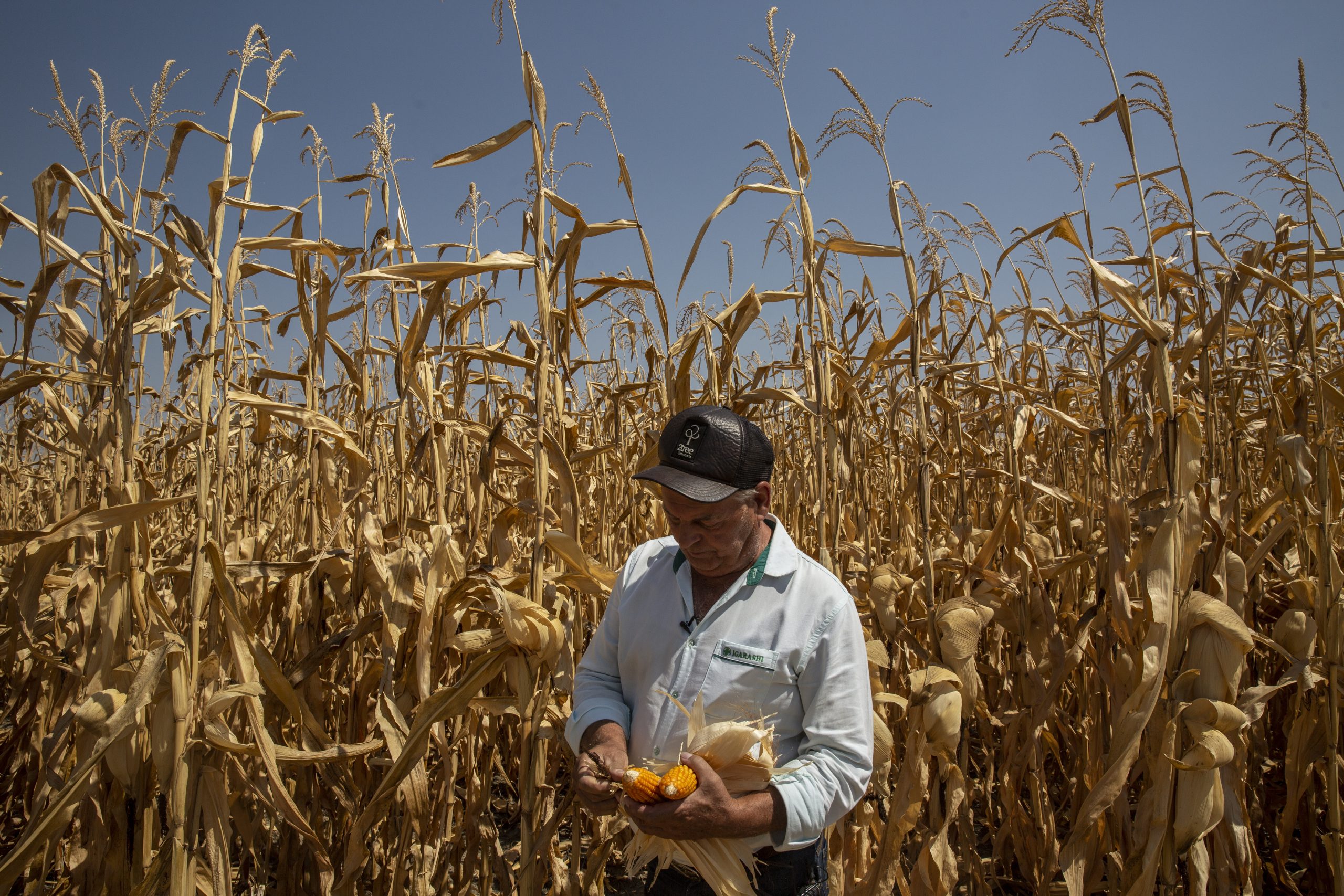
Brazil’s Scorching Reality: How Heatwaves Imperil Global Food Security
The climate crisis isn’t a distant threat; it’s knocking on our pantry doors. A stark reminder of this reality unfolded in Brazil, a global agricultural powerhouse, where relentless heatwaves have crippled crop yields, sending ripples of concern through the global food supply chain. The situation in Brazil serves as a microcosm of a larger, more ominous trend impacting food production worldwide.
A Nation Under Heat Stress
In April 2024, Brazil endured an unprecedented heatwave, with temperatures soaring to record highs across its central and southern regions. This extreme weather event, following closely on the heels of another intense heatwave, exacerbated existing stresses on the country’s agricultural sector. Rio de Janeiro experienced a staggering heat index of 144.1 degrees Fahrenheit, the highest in a decade. These weren’t isolated incidents but rather part of a prolonged cycle of extreme heat, impacting the nation’s ability to produce key commodities.
Crop Yields Plunge: A Looming Crisis
The consequences for agriculture have been severe. Southeastern states like São Paulo, vital for Brazil’s agricultural output, witnessed significant declines in soy and corn yields. These two commodities are crucial not only for Brazil’s economy but also for global food security, serving as key ingredients in animal feed and various food products. The production of other staples such as peanuts, potatoes, and sugarcane has also been negatively affected. The reduced harvest translates to higher prices and potential shortages, impacting consumers worldwide.
Beyond Brazil: A Global Wake-Up Call
Brazil’s struggles offer a glimpse into a future where climate change increasingly disrupts food production globally. As extreme weather events become more frequent and intense, agricultural regions around the world will face similar challenges. This necessitates a multi-faceted approach: investing in climate-resilient agricultural practices, developing drought-resistant crop varieties, and implementing policies to mitigate climate change are all crucial steps. The situation in Brazil underscores the urgent need for global cooperation to address the climate crisis and safeguard the future of our food supply.
Conclusion: Time for Action
The climate crisis is no longer a theoretical concern; it’s a present-day reality impacting our access to food. The struggles in Brazil serve as a potent reminder of the vulnerability of our global food systems. Addressing climate change through sustainable practices, technological innovation, and policy changes is critical to ensure a stable and secure food supply for future generations. The time for decisive action is now, before the climate crisis further destabilizes global agriculture and impacts the food on our tables.
Based on materials: Vox



