
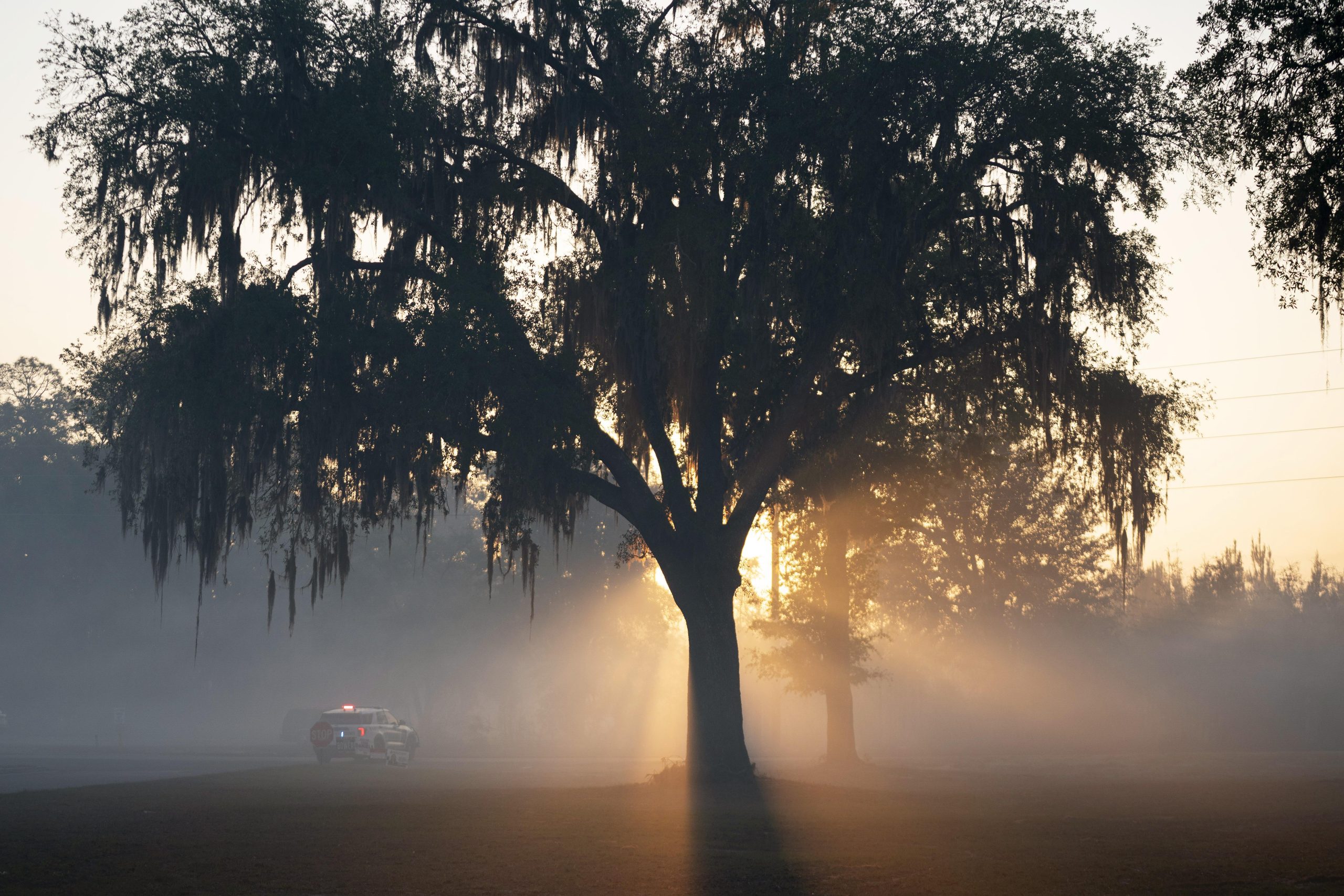
The American Southeast is facing a fiery crisis, with a surge in wildfires fueled by a persistent drought that has gripped the region since mid-2025. States like Florida and Georgia are bearing the brunt, experiencing major blazes that have consumed tens of thousands of acres, displaced residents, and destroyed homes. The combination of parched landscapes, strong winds, and abnormally low humidity has created a perfect storm for wildfire outbreaks, challenging firefighters and straining resources.
A Region Under Siege: The Brantley Highway 82 Fire
The Brantley Highway 82 Fire in Atkinson, Georgia, serves as a stark reminder of the severity of the situation. This blaze is just one of many raging across the Southeast, highlighting the region’s increasing vulnerability to wildfires. The primary culprit? A prolonged drought that has left vegetation brittle and highly flammable. Even seemingly minor events, such as a balloon contacting a power line, can ignite devastating infernos under these conditions. This is the suspected cause of the Brantley Highway 82 Fire, demonstrating how easily a spark can escalate into a major catastrophe.
Drought and Deforestation: A Dangerous Combination
The drought conditions are not solely responsible for the surge in wildfires. Deforestation, primarily for agricultural expansion, has removed natural firebreaks and altered local climates, exacerbating the problem. The loss of trees reduces moisture retention in the soil, further drying out the landscape and increasing the risk of fire. This complex interplay between drought and land use changes is creating a more fire-prone environment in the Southeast.
Looking Ahead: Adapting to a Fiery Future
The current wildfire crisis underscores the urgent need for proactive measures to mitigate the risk of future outbreaks. This includes implementing stricter regulations on land clearing, investing in drought-resistant landscaping, and improving early detection and suppression capabilities. Furthermore, public education campaigns are crucial to raise awareness about fire safety and prevention. The Southeast must adapt to a future where wildfires are an increasingly frequent and severe threat, requiring a multi-faceted approach involving government agencies, private landowners, and the community at large.
The Southeast’s current wildfire woes serve as a chilling reminder of the tangible impacts of climate change and human activity on the environment. Addressing this crisis requires not only immediate fire suppression efforts but also long-term strategies to build resilience and protect vulnerable communities.
Based on materials: Vox



