
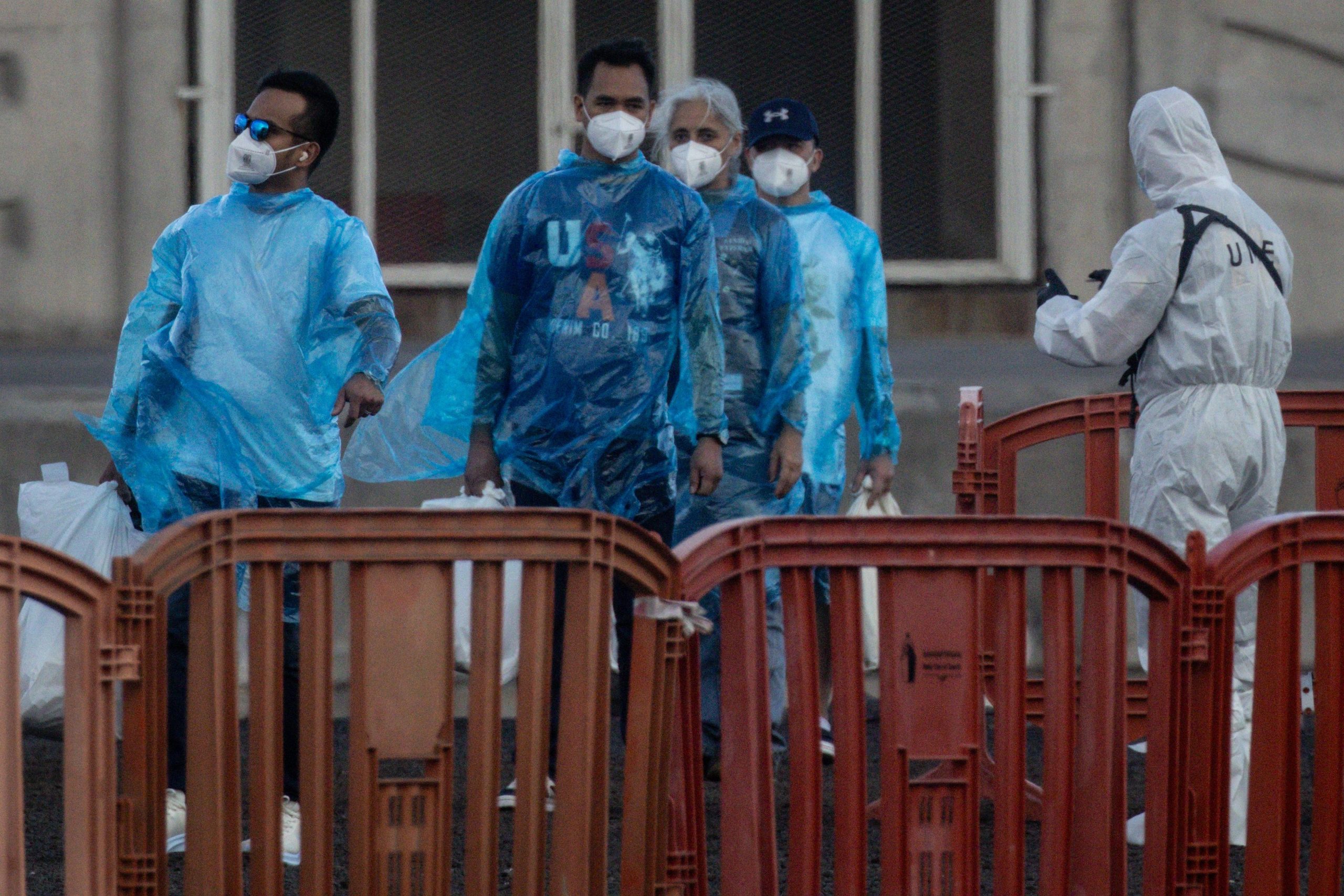
The recent outbreak of hantavirus aboard the cruise ship MV Hondius has sparked a flurry of alarming headlines, prompting many to ask: Should I be worried? Fearful? Panicked? But are these the right questions to be asking? A closer look reveals a more nuanced picture, suggesting that widespread panic is unwarranted.
Understanding Hantavirus: Risk and Reality
Hantaviruses are a family of viruses spread mainly by rodents. Humans can contract the virus through inhalation of airborne particles from rodent droppings, urine, or saliva. While hantavirus infections can be severe and even fatal, they are relatively rare. The most common form, hantavirus pulmonary syndrome (HPS), causes flu-like symptoms that can rapidly progress to severe respiratory distress.
The outbreak on the MV Hondius, while concerning for those directly affected, does not represent a significant threat to the general public. The virus is not transmitted from person to person, limiting its spread to individuals exposed to infected rodents or their waste. The passengers of the cruise ship were the most at risk, which prompted quick action to evacuate the ship and contain the spread.
Media Hype vs. Public Health
The media often sensationalizes health scares, using alarming headlines to grab attention. This can lead to unnecessary anxiety and fear, diverting attention from more pressing public health concerns. As the saying goes, “If a question is posed in a headline, the answer is almost always ‘no’.” In this case, the headlines asking if you should panic are likely overblown.
Instead of focusing on fear, the public should be educated about the real risks and preventative measures. This includes proper rodent control in homes and workplaces, especially in rural areas where hantavirus is more prevalent. Avoiding contact with rodent droppings and urine, and properly ventilating enclosed spaces before cleaning, can significantly reduce the risk of infection.
Focus on Prevention, Not Panic
While hantavirus is a serious illness, it is not a widespread threat. The outbreak on the MV Hondius is a localized incident that should be addressed with swift and effective public health measures. Instead of succumbing to panic, the public should focus on understanding the risks, taking appropriate precautions, and relying on accurate information from trusted sources. Overblown media coverage creates fear, and distracts from the real work of public health professionals in containing the virus and preventing future outbreaks.
CONCLUSION:
In conclusion, while the hantavirus outbreak on the MV Hondius is a serious matter for those directly involved, it does not warrant widespread panic. By understanding the virus, its transmission, and the actual level of risk, individuals can make informed decisions and avoid unnecessary fear. A focus on prevention, education, and responsible media coverage will contribute to a more rational and effective response to public health challenges.
Based on materials: Vox



