
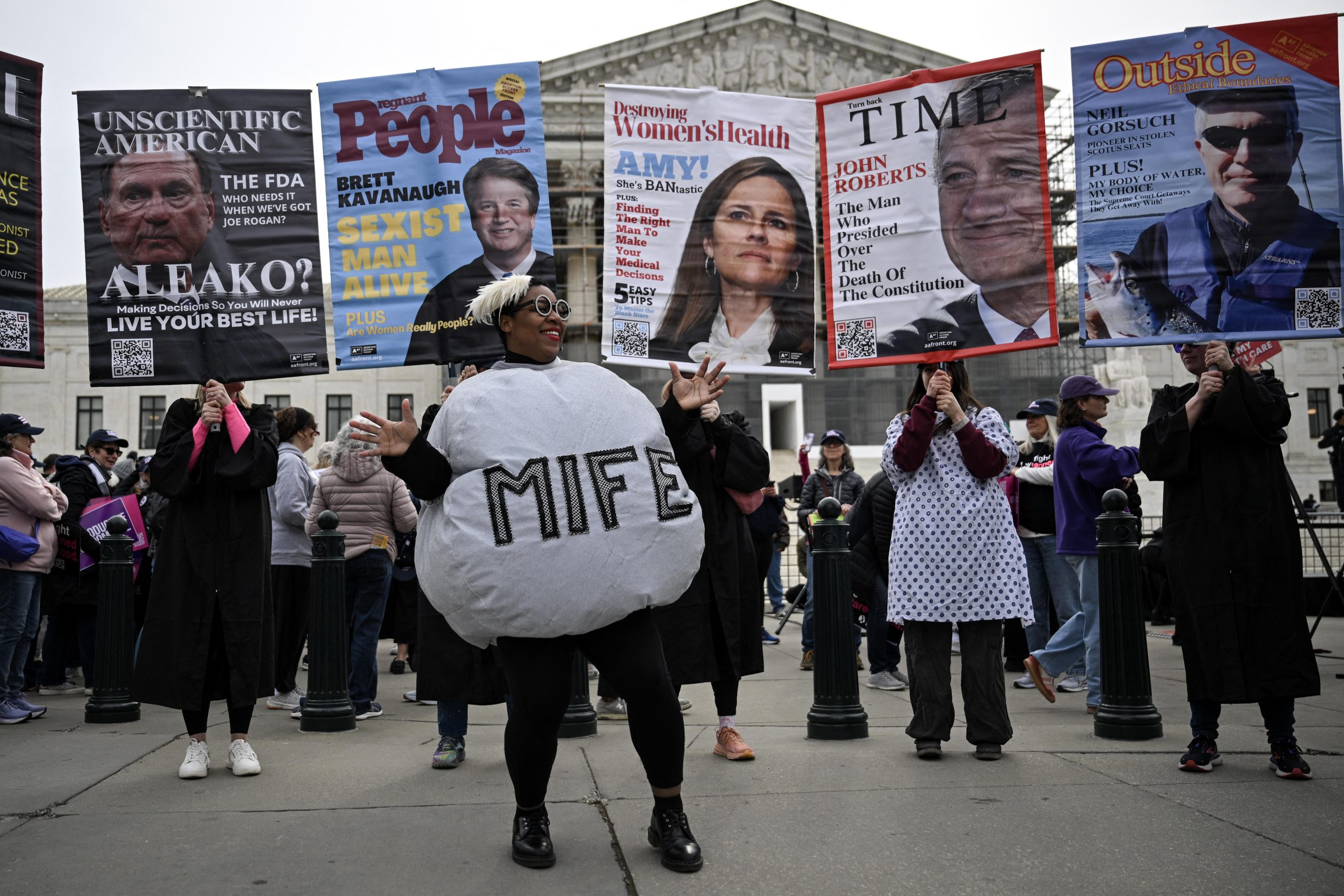
Mifepristone Access Protected: Supreme Court Stays Lower Court Order
In a significant decision concerning reproductive rights, the Supreme Court has temporarily blocked a lower court ruling that would have severely restricted access to mifepristone, a widely used abortion drug. The order, issued Thursday evening in the case of
Danco Laboratories v. Louisiana
, ensures that the drug remains available while the legal battle over its approval continues. This move provides a sigh of relief to abortion rights advocates, but the ultimate fate of mifepristone remains uncertain, pending a full review by the justices.
A Temporary Reprieve: What the Ruling Means
The Supreme Court’s decision is not a final judgment on the legality of mifepristone’s current FDA approval. Instead, it’s a stay, meaning the lower court’s restrictions are put on hold. Practically, this translates to mifepristone remaining accessible under its existing FDA-approved conditions for the foreseeable future – potentially until June 2027, assuming no legislative or administrative interventions occur. This allows individuals seeking medication abortions to continue accessing the drug without the added barriers imposed by the lower court’s order.
The Legal Landscape: Awaiting the Final Verdict
The legal challenge to mifepristone centers on claims that the FDA’s initial approval process and subsequent expansions of access were flawed. Opponents argue that the drug poses safety risks and that the FDA overstepped its authority. Supporters, however, point to decades of safe and effective use, supported by extensive scientific evidence.
The Supreme Court’s decision to hear the case suggests a willingness to engage with these arguments. The justices could ultimately uphold the FDA’s approval, impose restrictions on the drug’s use, or even revoke its approval altogether. The outcome will have profound implications for abortion access across the United States, particularly in states where abortion is already restricted or banned.
Beyond the Courtroom: The Broader Context
The mifepristone case is unfolding against a backdrop of intense political and social divisions over abortion rights. Since the overturning of
Roe v. Wade
in 2022, access to abortion has become increasingly restricted in many states, leading to a patchwork of laws and regulations across the country. The legal challenges to mifepristone are part of a broader effort to limit abortion access, and the Supreme Court’s decision will likely embolden or discourage similar efforts in the future.
The case also highlights the growing importance of medication abortion, which now accounts for more than half of all abortions in the United States. As surgical abortion becomes less accessible in certain regions, medication abortion has become an increasingly crucial option for individuals seeking to terminate a pregnancy.
Looking Ahead
The Supreme Court’s decision to stay the lower court order provides a temporary reprieve for mifepristone access, but the legal battle is far from over. The coming months will be crucial as the justices review the case and weigh the arguments on both sides. The final outcome will have a significant impact on reproductive rights and the future of abortion access in the United States. Regardless of the eventual ruling, the mifepristone case serves as a stark reminder of the ongoing political and legal battles surrounding abortion in America.
Based on materials: Vox



