
Pig Welfare Laws Face Congressional Challenge Despite Public Vote
Animal welfare laws, overwhelmingly supported by voters across several states, are now facing a significant challenge in Congress. These laws, designed to improve the living conditions of breeding pigs, are under threat of being overturned, sparking outrage from animal rights advocates and raising questions about the influence of the pork industry in Washington.
The Crates and the Controversy
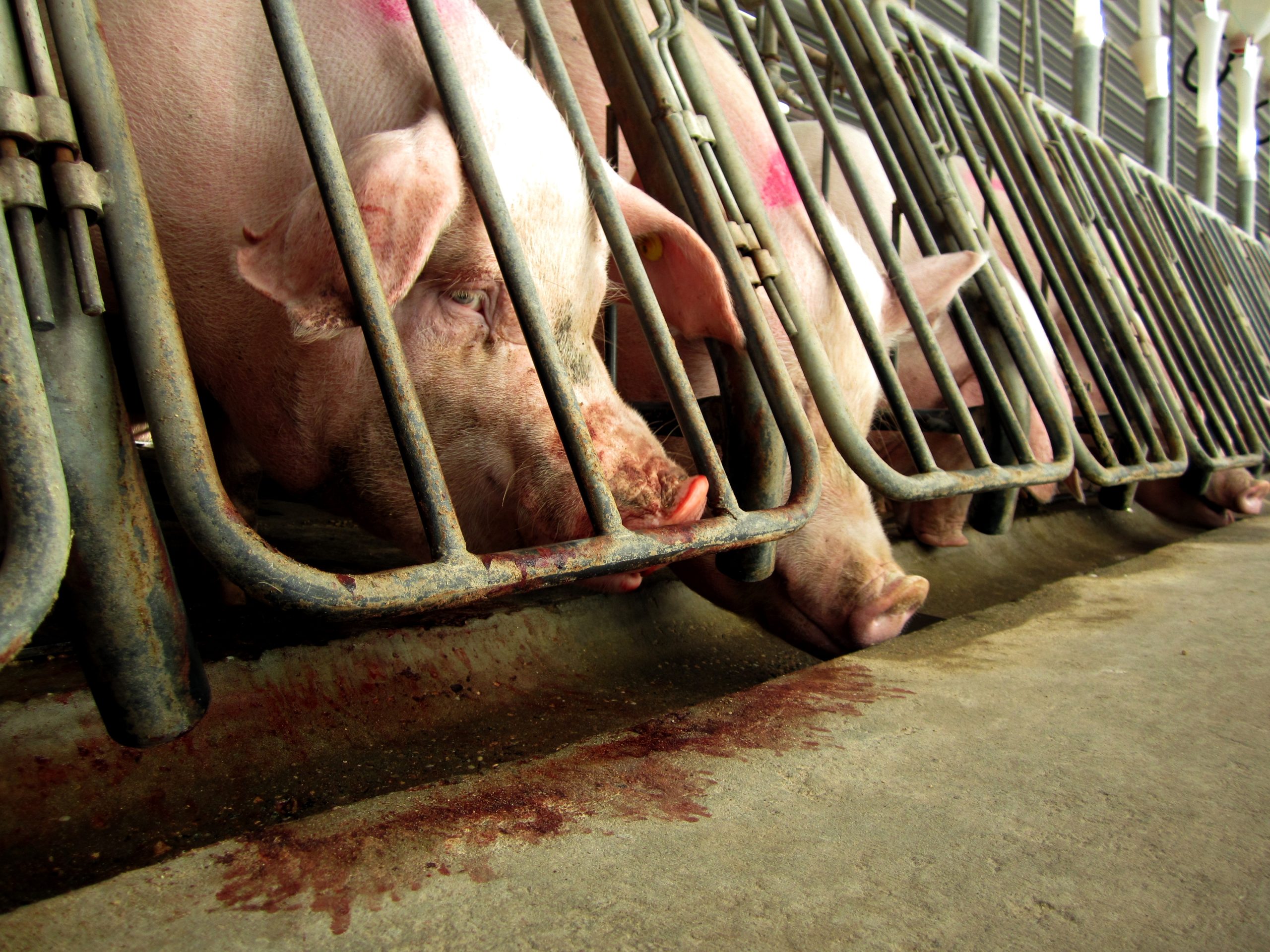
At the heart of the issue are gestation crates – small, restrictive enclosures used in industrial pig farming to house pregnant sows. These crates, widely used since the 1970s, prevent the animals from turning around or even taking more than a step or two. Pork producers argue that gestation crates allow for closer monitoring of pregnancies and controlled feeding, leading to more efficient production.
However, critics argue that the crates are a form of animal cruelty, causing significant stress and suffering to the pigs. Confined to these small spaces, intelligent and social animals develop repetitive behaviors and injuries due to the constant restriction.
A Battle Over Values and Votes
Several states have already passed laws banning or restricting the use of gestation crates, often through direct ballot initiatives where voters showed clear support for improved animal welfare standards. These laws represent a significant victory for animal rights groups, who have long campaigned against the practice.
Now, those victories are being challenged on a federal level. Congressional efforts to overturn or weaken these state laws are seen by many as a direct affront to the will of the people. Opponents of federal intervention argue that it undermines states’ rights and prioritizes corporate profits over ethical treatment of animals. The debate highlights a broader conflict between agricultural interests and growing public concern about animal welfare standards in food production. This is more than just about pigs; it’s about consumer choice, ethical treatment, and the democratic process itself.
Looking Ahead: A Fight Far From Over
The future of these animal welfare laws remains uncertain. The clash between public opinion, state regulations, and federal policy sets the stage for a contentious battle. The outcome will likely have a far-reaching impact on animal welfare standards in agriculture and could influence future debates over similar issues. The fight for pig welfare is not just about the animals; it’s a reflection of our values and a test of our democratic system.
Based on materials: Vox



