
Apartment Prepping: Disaster Readiness in Small Spaces
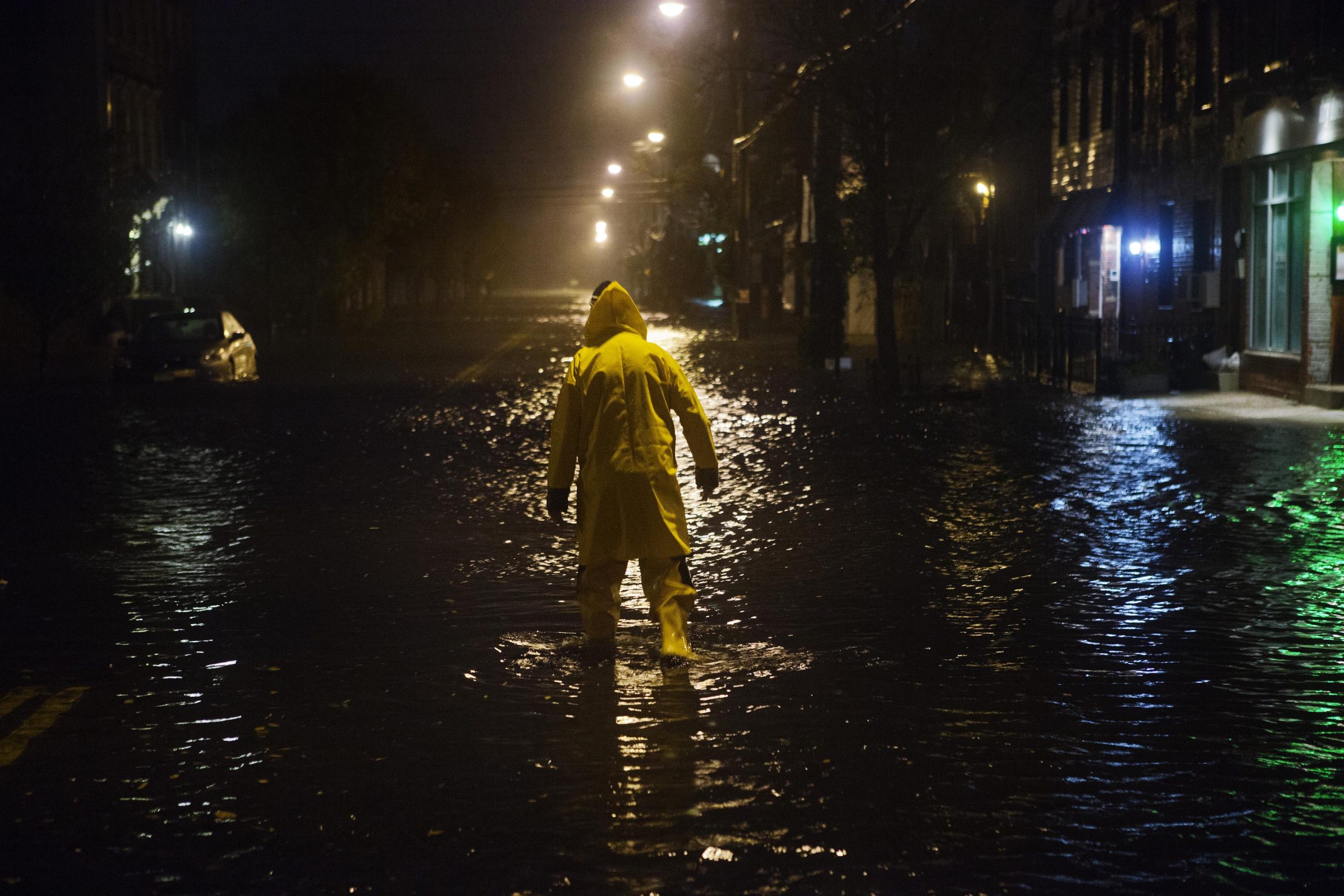
Feeling uneasy about the state of the world? From climate change-fueled extreme weather to economic uncertainties, the need for disaster preparedness feels more pressing than ever. But how do you adequately prepare when space is at a premium? For apartment dwellers, the challenge is real, but experts say readiness is still achievable.
Assessing Your Needs and Space
Disaster resilience expert Chris Ellis, author of “Resilient Citizens,” emphasizes the importance of self-sufficiency in the face of emergencies. The key question to ask yourself is: “If the power gets knocked out due to a storm, how can I be resilient within my apartment without relying on public utilities?”
Start by evaluating potential threats specific to your geographic location. Are you prone to hurricanes, earthquakes, or blizzards? Understanding the risks will help you tailor your preparedness plan. Next, assess your apartment’s layout and storage options. Maximize vertical space with shelving units, and utilize under-bed storage containers.
Essential Supplies for Compact Living
When space is limited, prioritize essential items. Focus on a 72-hour emergency kit that includes:
*
Water:
Store at least one gallon of water per person per day. Consider space-saving water pouches or a portable water filter.
*
Food:
Opt for non-perishable, high-calorie foods like energy bars, canned goods, and dried fruit.
*
First-aid kit:
A well-stocked kit is crucial for treating injuries. Include essential medications and a first-aid manual.
*
Lighting:
A hand-crank or solar-powered flashlight is preferable to battery-operated models.
*
Communication:
A hand-crank radio can provide vital information during power outages. Consider a portable power bank for charging cell phones.
*
Warmth:
Pack emergency blankets or sleeping bags to stay warm in case of heating failure.
Remember to rotate your food and water supplies regularly to ensure freshness.
Beyond the Basics: Community and Communication
Preparedness isn’t just about stockpiling supplies; it’s about building resilience. Get to know your neighbors and discuss emergency plans. Knowing who can offer assistance and where to seek shelter can be invaluable. Designate an out-of-state contact person for family members to check in with during a disaster.
Conclusion
Living in a small apartment doesn’t preclude you from being prepared for emergencies. By assessing your needs, maximizing space, and focusing on essential supplies, you can create a practical disaster readiness plan. Building community and establishing communication channels will further enhance your resilience. While the world may feel uncertain, taking proactive steps to prepare can provide peace of mind and empower you to face unforeseen challenges with confidence.
Based on materials: Vox



