
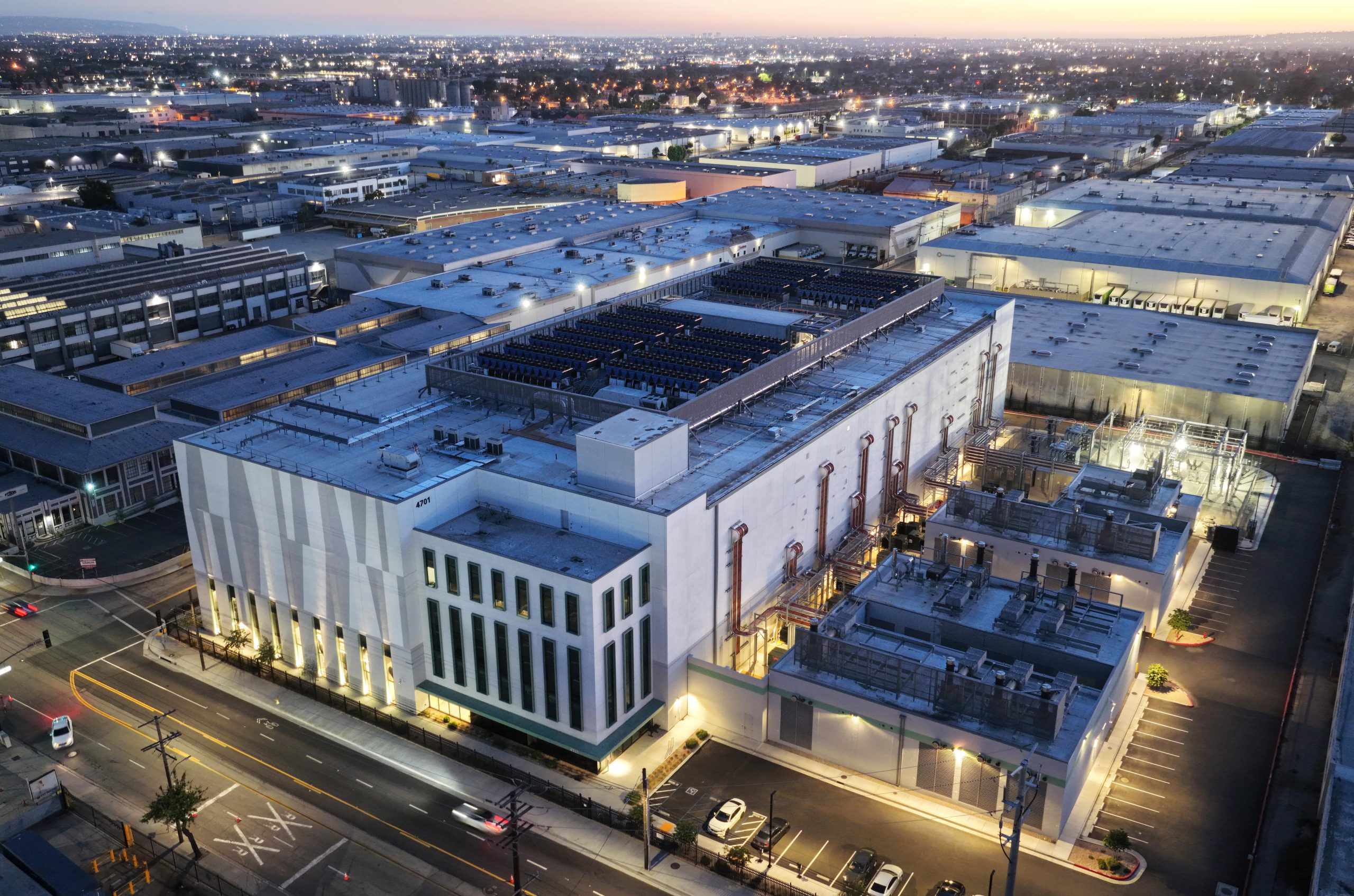
The hum of servers, once a niche soundscape of tech parks, is increasingly becoming a point of contention in communities across America. While data centers, particularly the hyperscale facilities fueling the artificial intelligence boom, are experiencing a construction surge, a growing wave of local resistance is challenging their proliferation. But are these digital fortresses purely a burden, or could they be a boon to local economies?
The Data Center Dilemma: Boom vs. Backlash
Fueled by the insatiable computing demands of AI, data center construction spending in the U.S. more than doubled between 2022 and 2025, leaping from $15 billion to over $35 billion annually. This unprecedented growth has met with significant pushback. In the first three months of this year alone, plans for at least 20 data center projects have been scrapped, signaling a growing trend of municipalities rejecting these developments.
Concerns range from the environmental impact of massive energy and water consumption to the aesthetic blight of these sprawling structures. Critics also point to the relatively low number of jobs created per square foot compared to other industries, questioning whether the economic benefits outweigh the drawbacks.
Beyond the Servers: Potential Upsides
Despite the valid concerns, data centers can offer tangible advantages to host communities. While direct employment may not be massive, the construction phase generates numerous jobs for local contractors and tradespeople. Furthermore, data centers contribute significantly to the local tax base, providing revenue that can fund essential public services like schools, infrastructure improvements, and emergency services.
Moreover, data centers can attract other tech-related businesses and investment to the area, fostering a more diverse and dynamic economy. They can also incentivize improvements to local infrastructure, such as power grids and fiber optic networks, benefiting residents and businesses alike.
Striking a Balance: The Path Forward
The future of data center development hinges on finding a balance between economic benefits and community concerns. Transparency, open communication, and proactive engagement with local residents are crucial. Developers must address concerns about environmental impact by investing in renewable energy sources, water conservation technologies, and sustainable building practices.
Municipalities should also negotiate community benefit agreements that ensure data centers contribute directly to local priorities, such as funding for schools or parks. By fostering collaboration and addressing concerns head-on, data centers can potentially become valuable assets to their host communities, rather than unwelcome intruders.
In conclusion, the narrative surrounding data centers is far more nuanced than a simple “good vs. bad” dichotomy. While legitimate concerns exist regarding their environmental impact and community disruption, the potential economic benefits and opportunities for infrastructure improvements cannot be ignored. The key lies in responsible development, transparent communication, and a commitment to mitigating negative impacts while maximizing the positive contributions these digital powerhouses can offer.
Based on materials: Vox



