
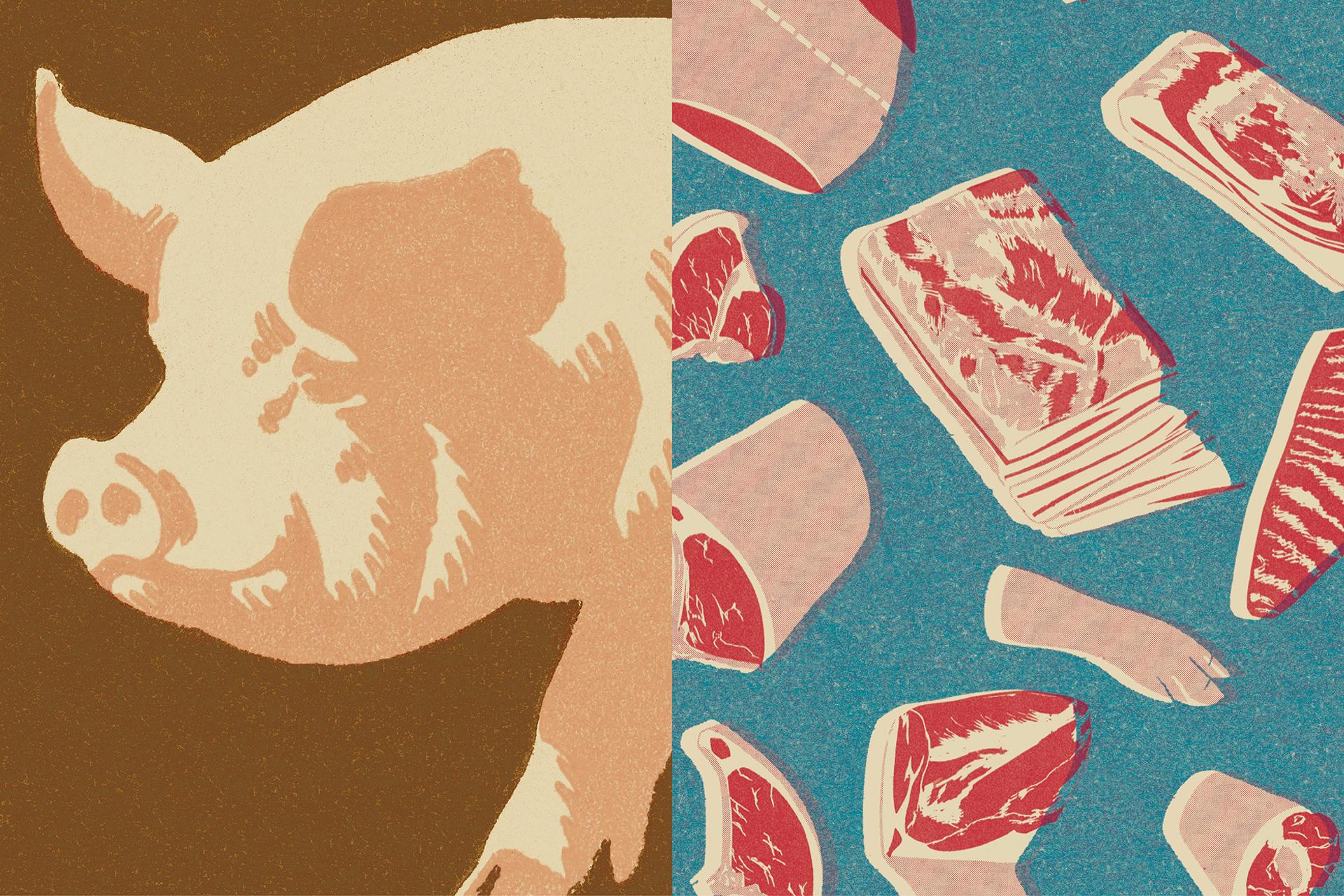
The Meat Paradox: Why We Love Pets But Eat Farm Animals
The ethical tightrope walk of eating meat is a topic fraught with internal conflict. We coo over puppies and kittens, share our homes with furry companions, and decry animal cruelty, yet many of us continue to consume meat products that originate from factory farms, where animal welfare is often a distant consideration. This inherent contradiction, dubbed the “meat paradox,” highlights the cognitive dissonance many people experience, and it’s proving to be a major obstacle in shifting attitudes toward meat consumption.
Billie Eilish Sparks Debate
The complexities of the meat paradox recently burst into the spotlight when pop star Billie Eilish voiced her opinion that one cannot claim to love animals and simultaneously consume them. Her simple statement ignited a firestorm of debate on social media platforms like X and Instagram. While some agreed with her sentiment, others offered a range of justifications for their meat-eating habits, often seemingly overlooking the realities of factory farming. This online clash vividly demonstrated the psychological gymnastics people undertake to reconcile their love for animals with their dietary choices.
Navigating the Cognitive Dissonance
The “meat paradox” isn’t just a philosophical quandary; it’s a deeply ingrained psychological phenomenon. People experience discomfort when their actions (eating meat) clash with their beliefs (loving animals). To alleviate this discomfort, individuals often employ various strategies:
*
Denial:
Ignoring or minimizing the suffering of animals in factory farms.
*
Justification:
Rationalizing meat consumption as necessary for health or cultural tradition.
*
Dissociation:
Mentally separating the meat on their plate from the living animal it once was.
These coping mechanisms allow people to continue eating meat without fully confronting the ethical implications.
The Path Forward
Overcoming the meat paradox is crucial for fostering a more compassionate and sustainable food system. Instead of fueling heated debates, we need to promote open and honest conversations about the realities of meat production. Encouraging greater awareness of animal welfare, promoting plant-based alternatives, and supporting ethical farming practices can help individuals make more informed and consistent choices. Ultimately, addressing the meat paradox requires a shift in perspective, one that acknowledges the inherent value of all living creatures and strives to minimize harm in our food choices.
Based on materials: Vox



