
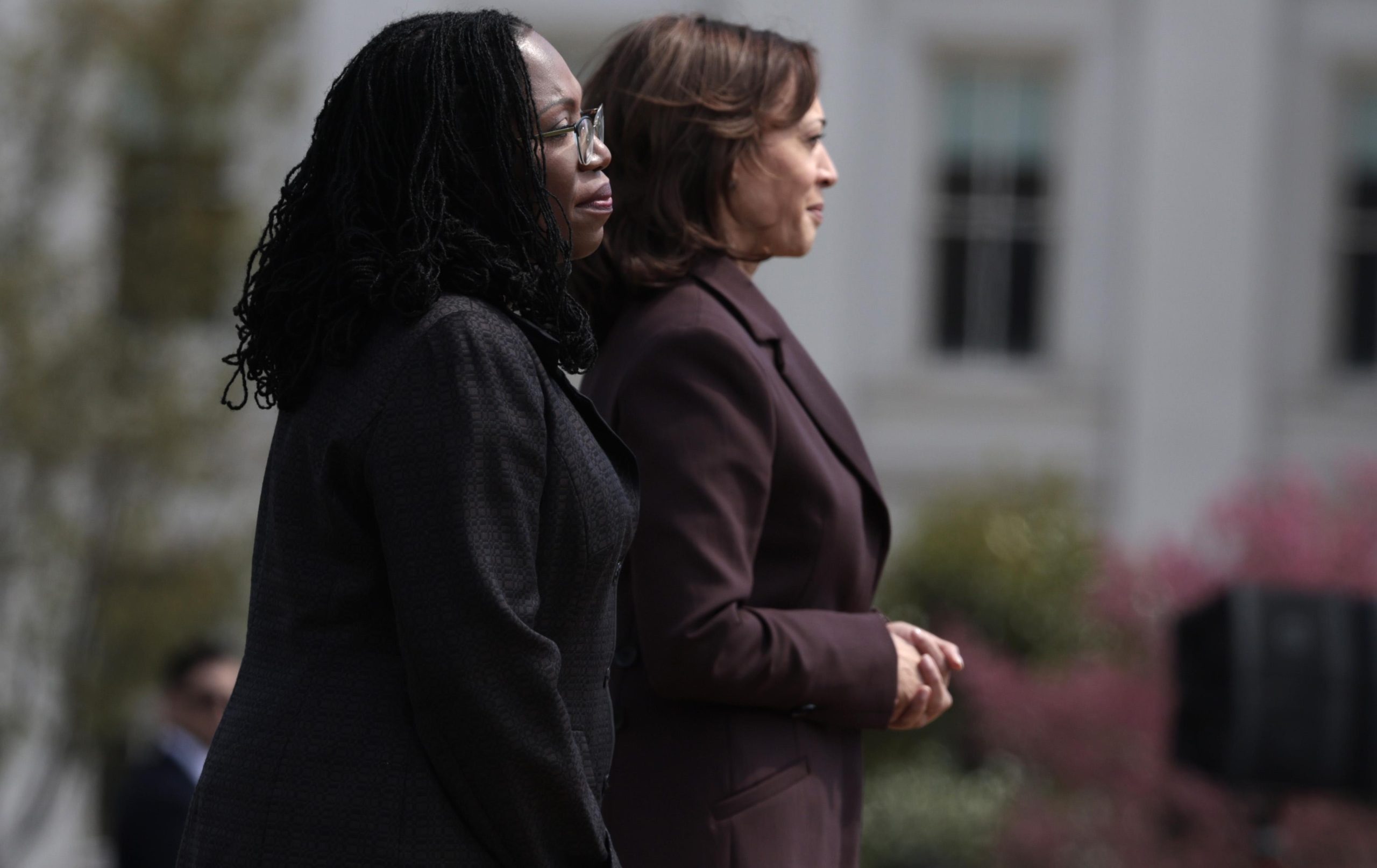
The debate over the size and structure of the Supreme Court is heating up once again, with prominent figures like former Vice President Kamala Harris openly discussing the possibility of “packing” the court. This once-fringe idea is gaining traction as a potential solution to what some see as a partisan imbalance and a threat to democratic norms. But what exactly does “court-packing” entail, and what are the potential implications?
Harris Floats Court Expansion as a Reform Option
During a recent online event hosted by Win With Black Women, Kamala Harris outlined a series of potential democracy reforms aimed at counteracting recent policy setbacks, particularly the Supreme Court’s decision to repeal a key amendment to the Voting Rights Act of 1965. Among the proposals, which included statehood for Puerto Rico and Washington D.C., and reforms to the Electoral College, Harris explicitly mentioned “the idea of Supreme Court reform, which includes expanding the Supreme Court.”
This statement signals a significant shift in the Democratic Party’s willingness to engage with the controversial idea of adding justices to the Supreme Court. While the concept has been floated in academic circles and progressive activist groups for years, it’s now entering the mainstream political conversation, spurred by concerns over the court’s increasingly conservative majority.
Understanding the Court-Packing Debate
“Court-packing” refers to the practice of increasing the number of justices on the Supreme Court, typically with the intention of shifting the ideological balance of the court. While the Constitution doesn’t specify the number of justices, setting it at nine has been the norm for over 150 years.
Proponents of expanding the court argue that it’s necessary to counteract what they see as a deliberate effort by Republicans to stack the court with conservative justices through strategic appointments and political maneuvering. They point to instances like the Merrick Garland nomination, where the Senate refused to even consider President Obama’s nominee, and the rushed confirmation of Amy Coney Barrett shortly before the 2020 election.
Critics, however, argue that court-packing would undermine the court’s legitimacy and independence. They fear it would lead to a cycle of partisan retaliation, with each party expanding the court whenever they gain power, turning the judiciary into just another political battleground.
The Road Ahead
The renewed discussion around Supreme Court expansion highlights the deep divisions and anxieties surrounding the judiciary in American politics. While it remains to be seen whether this idea will gain broader support within the Democratic Party or among the public, it’s clear that the future of the Supreme Court and its role in American society is a subject of intense debate. The question is whether this debate will lead to meaningful reforms or further erode trust in one of the nation’s most important institutions.
SOURCE: Vox
Based on materials: Vox



