
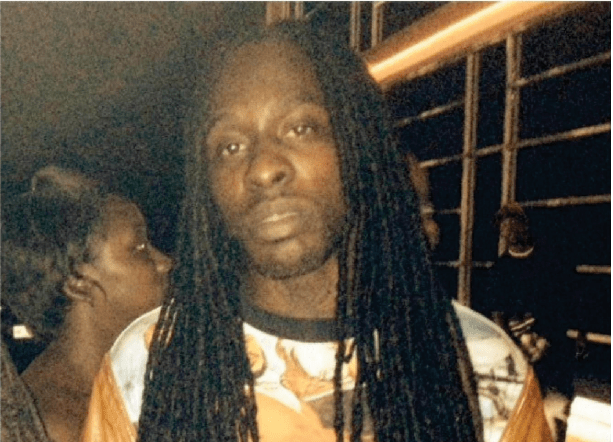
The Supreme Court’s recent surge of decisions bolstering religious liberty has encountered a stark contradiction within the very institutions it claims to protect. A case involving Damon Landor, a Rastafari inmate in Louisiana, highlights a profound inconsistency, revealing that the court’s expansive view of religious freedom appears to have a significant blind spot when it comes to the incarcerated.
A Violation of Faith and Freedom
Landor, who adheres to Rastafarianism, has maintained a vow for over two decades not to cut his hair, allowing his dreadlocks to grow to nearly knee-length. This deeply personal and religious commitment was abruptly violated in 2020 while he was serving a five-month sentence for a drug offense. Prison officials, despite Landor’s religious objections, forcibly shaved his head. This act occurred even after Landor had provided documentation of a federal appeals court ruling that specifically prohibited Louisiana prisons from cutting the hair of Rastafari prisoners who wish to keep it long for religious reasons. The ruling, based on federal religious liberty law, underscored the established protection for such practices.
The Paradox of Judicial Interpretation
This incident raises critical questions about the practical application of religious freedom principles championed by the Supreme Court. In recent years, the court has issued several landmark rulings that have expanded the scope of religious protections, often siding with individuals and organizations seeking exemptions from laws based on their faith. These decisions have frequently prioritized religious practice over secular regulations, leading to concerns about the potential erosion of other civil rights and protections. However, the treatment of Landor suggests that these protections may not extend equally to those within the prison system, where an individual’s liberty is already significantly curtailed. The irony is palpable: a court actively promoting religious freedom outside prison walls appears to be permitting its violation within them.
Implications for Incarcerated Religious Rights
The case of Damon Landor underscores the ongoing struggle for religious freedom for incarcerated individuals. While the Supreme Court has shown a willingness to protect religious expression in various contexts, the conditions of confinement often present unique challenges. Prison regulations, designed for security and order, can inadvertently or deliberately infringe upon religious practices. The failure of Louisiana prison officials to adhere to established legal precedents, and the potential for the Supreme Court to overlook such clear violations, signals a troubling precedent. It suggests that the fight for robust religious liberty for all, regardless of their legal status, is far from over and requires continued scrutiny and advocacy. This glaring exception to the court’s proclaimed campaign for religious liberty demands attention and re-evaluation of how these fundamental rights are applied within the American justice system.
Based on materials: Vox



