
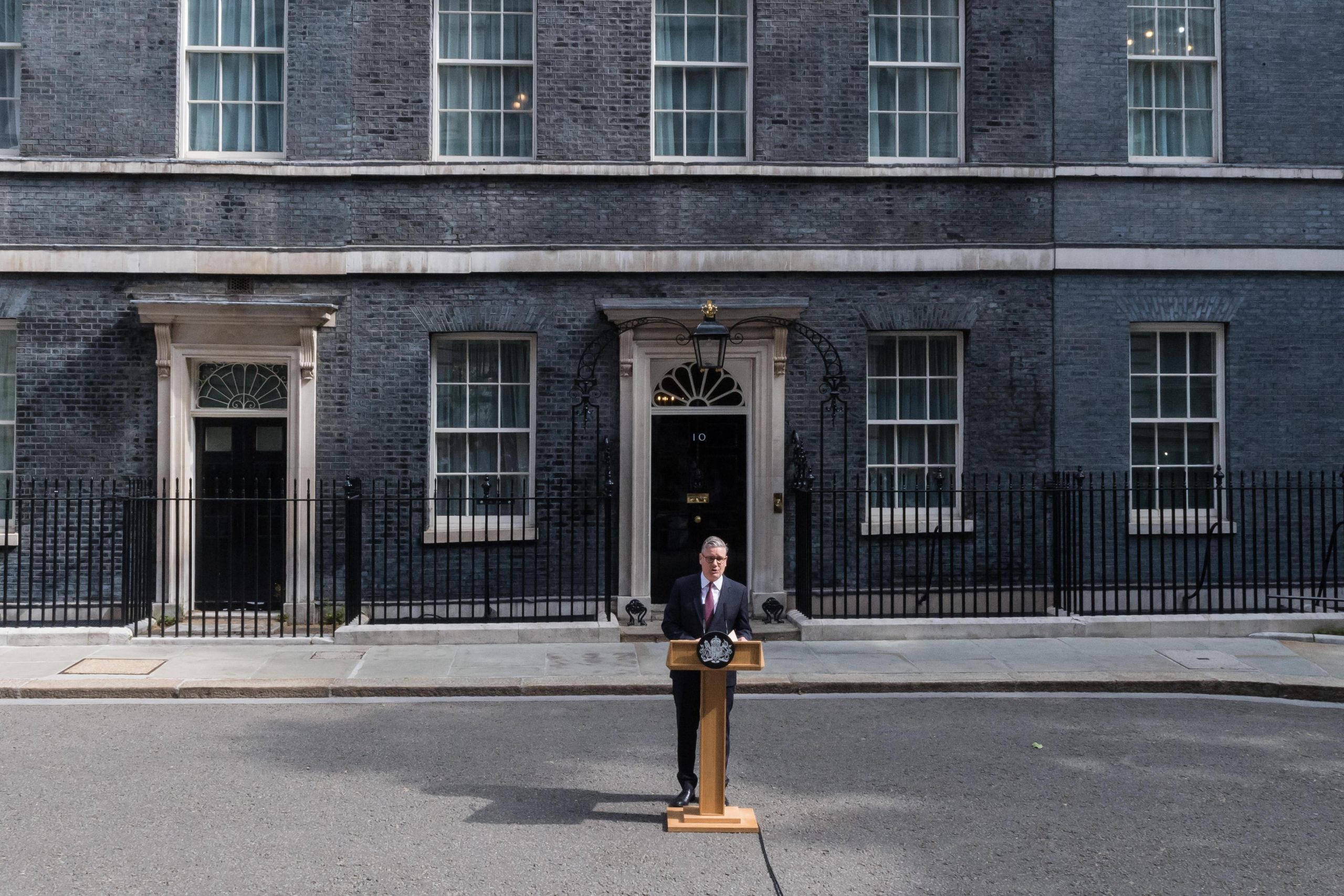
The United Kingdom is bracing for a significant political shift as Prime Minister Keir Starmer announces his unexpected resignation, triggering a leadership contest within the ruling Labour Party. This development has thrust the enduring legacy of Brexit back into the spotlight, a decade after the divisive referendum that reshaped Britain’s global standing. Starmer’s departure, occurring just two years into his premiership, comes amidst a backdrop of economic headwinds, policy reversals, and controversial appointments that have seen his approval ratings plummet.
A Nation at a Crossroads
Starmer’s announcement marks a pivotal moment for the Labour Party and the nation. While the exact reasons for his resignation are complex, they are widely attributed to a combination of factors. Persistent sluggish economic growth has dampened public optimism, while a series of significant policy U-turns have eroded confidence in his leadership. The controversial appointment of Peter Mandelson, a figure linked to the disgraced financier Jeffrey Epstein, further fueled public scrutiny and internal party discontent. These challenges have contributed to Starmer becoming the sixth Prime Minister to lead the country in under a decade, highlighting a period of considerable political instability. The upcoming leadership race is therefore not just about selecting a new party leader, but also about charting a potential new course for Britain’s relationship with the European Union and its broader geopolitical strategy.
Brexit: The Unfinished Conversation
The timing of Starmer’s exit is particularly resonant given the upcoming ten-year anniversary of the Brexit referendum. The decision to leave the European Union, made by a narrow margin in 2016, has had profound and lasting consequences for the UK’s economy, trade, and international relations. With a new leader set to emerge from the Labour Party, the question of whether Britain’s next Prime Minister will seek to reverse or significantly alter the terms of Brexit has become a live and urgent debate. While the Labour Party has historically maintained a stance of respecting the referendum result, the economic realities and ongoing challenges stemming from Brexit may force a re-evaluation. The candidates vying for leadership will undoubtedly be pressed to articulate their vision for the UK’s future outside the EU, and whether that future involves a closer alignment or a continued divergence from its European neighbours.
The Road Ahead
The leadership contest within the Labour Party is expected to be a closely watched affair, with potential successors likely to present distinct approaches to both domestic policy and international engagement. The economic performance of the nation, coupled with the ongoing complexities of post-Brexit trade deals and international partnerships, will be central to the discussions. The outcome of this leadership race could have far-reaching implications, potentially influencing not only the direction of the Labour Party but also the broader political landscape of the United Kingdom for years to come. As Britain navigates this period of transition, the specter of Brexit and its unresolved implications will undoubtedly cast a long shadow over the selection of its next leader.
SOURCE: Vox
Based on materials: Vox



