
The U.S. Supreme Court has delivered a significant ruling that allows the Trump administration to bypass established procedural rules for the Temporary Protected Status (TPS) program. This decision, handed down along strict party lines, could have profound implications for hundreds of thousands of individuals from war-torn and disaster-stricken nations who have been granted refuge in the United States.
The court’s majority opinion, penned by Justice Samuel Alito and supported by the six Republican justices, found that the Department of Homeland Security (DHS) is not bound by specific procedural requirements when making decisions about the TPS program. This program, established by federal law, offers a safe haven for noncitizens whose home countries are rendered unsafe by “armed conflict,” natural disasters, or other catastrophic events, allowing them to reside in the U.S. temporarily until conditions improve.
A Shift in Procedural Power
The ruling, stemming from the case
Mullin v. Doe
, essentially grants DHS greater latitude in how it administers the TPS program. Historically, the program has relied on clear guidelines to determine eligibility and renewal, providing a degree of predictability for beneficiaries. Critics argue that this new interpretation undermines those safeguards, potentially opening the door for arbitrary decisions and the swift termination of TPS designations.
Justice Elena Kagan, writing for the three Democratic justices in dissent, voiced strong concerns. She argued that the majority’s interpretation “ignores the plain text of the statute” and effectively allows the executive branch to disregard established legal frameworks. The dissenting opinion highlights the potential for increased vulnerability among TPS holders, many of whom have built lives and established deep ties within the United States over years, sometimes decades.
The Human Impact of Legal Interpretation
The implications of this decision extend far beyond legal semantics. The TPS program has been a lifeline for individuals fleeing violence, political instability, and environmental devastation. For many, the U.S. has become their de facto home, a place where they have raised families, secured employment, and contributed to their communities. The prospect of being forced to return to countries still grappling with conflict or environmental crises presents a grave humanitarian concern.
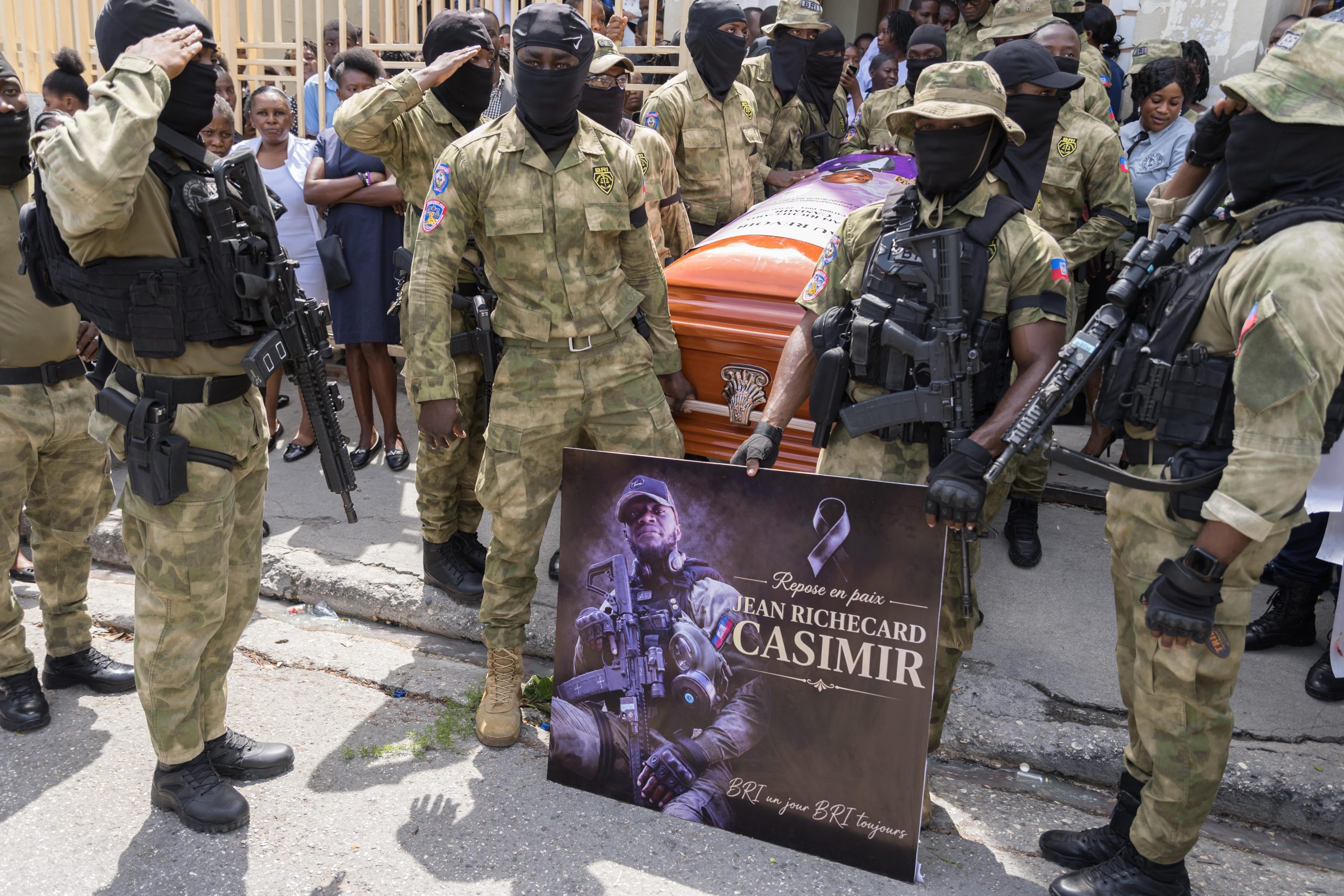
The funeral of Jean Richecard Casimir, a first-class police officer with the Research and Intervention Brigade in the Haitian National Police, who died after a gang attack on May 29, 2026, serves as a stark reminder of the dangers some TPS recipients face. While this specific instance may not be directly tied to the Supreme Court’s ruling, it underscores the perilous reality for many in their home countries, highlighting the critical importance of the protection TPS offers.
Looking Ahead: Uncertainty and Advocacy
This Supreme Court decision injects a new layer of uncertainty into the lives of TPS holders. While the ruling pertains to procedural rules, it could pave the way for broader changes in how the program is managed, potentially impacting future designations and renewals. Advocates for immigrant rights have expressed dismay, vowing to continue their efforts to protect TPS beneficiaries through legislative and other means. The ruling is likely to fuel ongoing debates about immigration policy and the balance of power between the executive and judicial branches in shaping the lives of vulnerable populations.
Based on materials: Vox



