
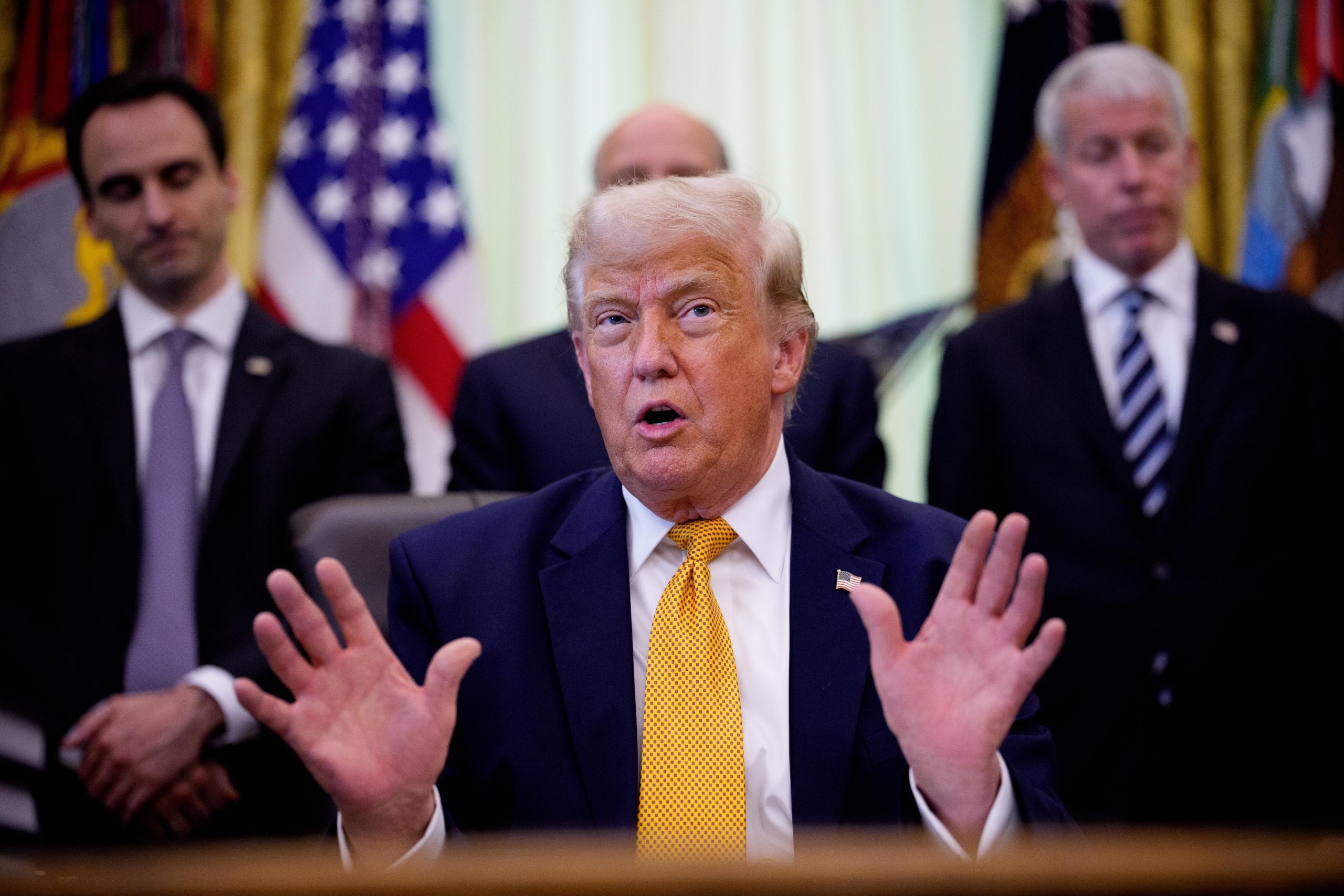
In a significant development that blurs the lines between technology and governance, the Trump administration has asserted a new level of control over the deployment of cutting-edge artificial intelligence. OpenAI, the developer behind the widely recognized ChatGPT, has announced plans to release several advanced AI models, including the highly anticipated GPT-5.6 Sol, in the near future. However, a surprising stipulation, reportedly at the behest of the Trump administration, will restrict initial access to these powerful new tools.
Government Gatekeepers for AI Advancement
Under this new arrangement, the government will hold the authority to approve which companies gain access to GPT-5.6 Sol. This move marks a notable departure from the typical rapid and broad release of AI technologies, suggesting a deliberate strategy to manage the rollout of what OpenAI describes as its most potent model to date. The decision to create a governmental gatekeeping function for AI access raises questions about the administration’s motivations and its vision for the future of artificial intelligence within the nation’s economic and security frameworks.
This latest action follows closely on the heels of another significant AI-related directive from the Trump administration. Earlier in June, the administration effectively placed a ban on Anthropic, another prominent AI firm, from accessing its powerful AI models. While the specifics of that ban remain under discussion, its occurrence in close proximity to the OpenAI decision signals a consistent pattern of the administration seeking to influence and direct the development and distribution of advanced AI capabilities.
Strategic Implications and Future Outlook
The administration’s assertive stance on AI deployment suggests a strategic imperative, potentially driven by concerns over national security, economic competitiveness, or the desire to shape the ethical and societal impacts of these transformative technologies. By controlling access to state-of-the-art AI, the government could aim to direct its application towards specific national priorities, ensure domestic technological leadership, or mitigate perceived risks.
However, this level of governmental oversight also introduces potential challenges. Critics may argue that such control could stifle innovation, create unfair competitive advantages, or lead to a less democratized technological landscape. The long-term implications for the broader AI industry, including smaller startups and research institutions, remain to be seen. As the rollout of GPT-5.6 Sol approaches, the world will be watching closely to understand the criteria for access and the ultimate impact of this unprecedented government intervention in the AI sector. The administration’s proactive approach signals a new era where the development and dissemination of artificial intelligence are increasingly intertwined with national policy.
Based on materials: Vox



