
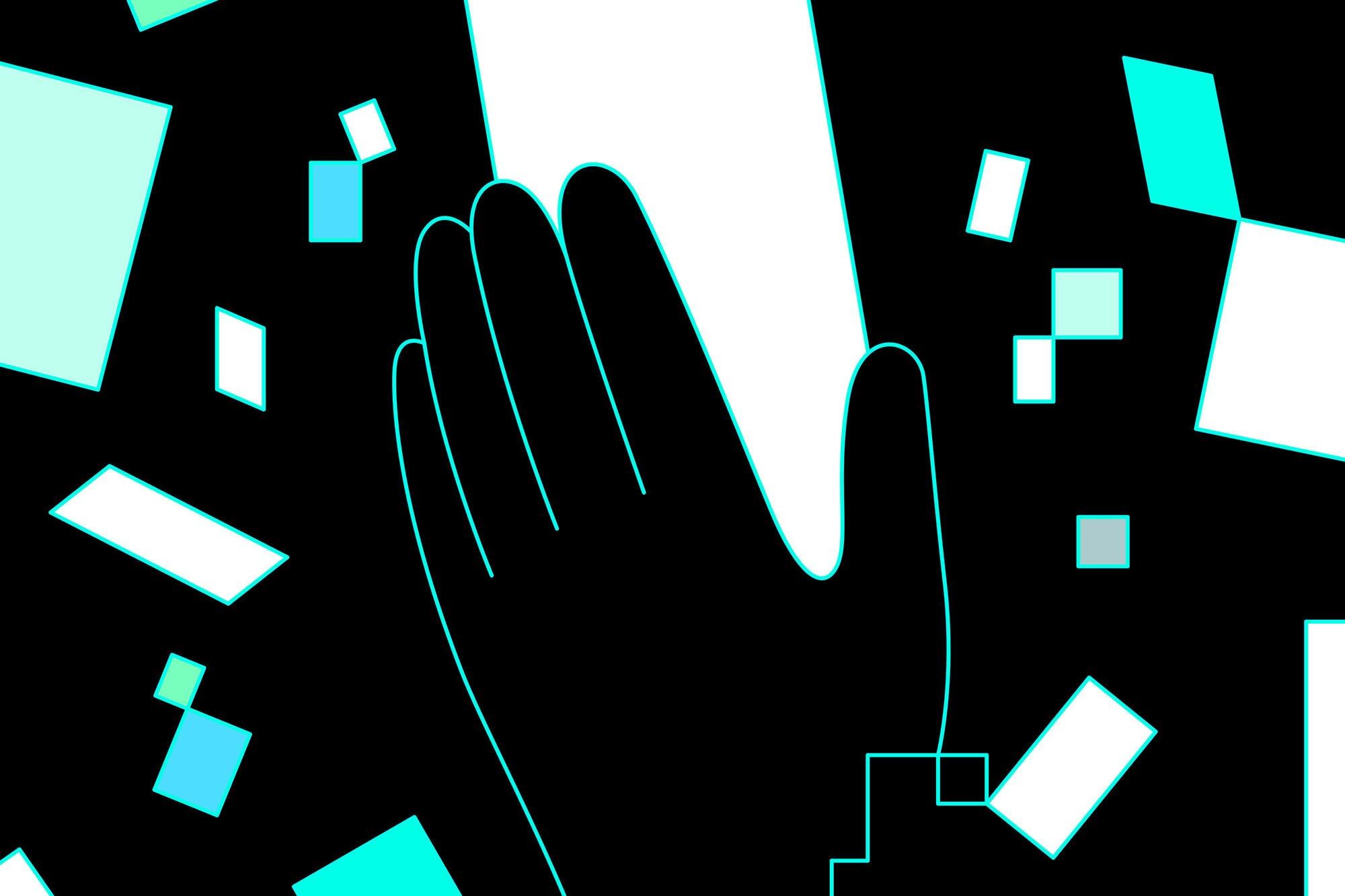
In an era dominated by glowing screens and seamless interfaces, we’re rapidly losing a fundamental human connection: touch. The simple act of interacting with the physical world, from the tactile sensation of a key turning in a lock to the familiar feel of a pen on paper, is becoming a relic of the past. This shift, argues Sara Herschander in a compelling cover story for
The Highlight
, is not just a nostalgic lament but a profound change with significant consequences, particularly for the youngest generation.
The Erosion of Tactile Experience
Herschander paints a vivid picture of a world where once-physical interactions are now reduced to a tap or a swipe on a screen. This digitization of everyday life, while offering convenience, is inadvertently stripping away the rich sensory input that has shaped human experience for millennia. The subtle nuances of texture, weight, and resistance that our hands and bodies naturally process are being replaced by the uniform smoothness of glass and plastic. This constant digital engagement, especially from an early age, can hinder the development of crucial sensory processing skills.
The implications for children are particularly concerning. Young minds are still developing their understanding of the world through sensory exploration. An overreliance on screen-based activities can limit their opportunities to engage with the physical environment, potentially impacting their fine motor skills, spatial reasoning, and even their ability to form a robust sense of self. As technology continues to permeate every aspect of life, the question arises: are we inadvertently stunting the development of a generation by divorcing them from the tangible world?
Beyond the Screen: A Glimpse of What’s Next
While the digital tide appears overwhelming, Herschander’s analysis also hints at a potential counter-movement. The growing awareness of the downsides of excessive screen time, coupled with a desire for more authentic experiences, could pave the way for a resurgence of tactile engagement. This might manifest in a renewed appreciation for crafts, physical books, and even a reimagining of how we design our digital interfaces to incorporate more haptic feedback. The challenge lies in finding a balance – harnessing the benefits of technology without sacrificing the essential human need for physical interaction.
The latest issue of
The Highlight
delves into several other compelling topics, offering a multifaceted look at contemporary issues. It touches upon the surprising optimism regarding America’s progress since 1976, despite a prevalent feeling of decline. It also explores the complex ethical landscape of organ donation and the evolving definitions of life and death. Furthermore, the piece tackles the rise of sophisticated AI-generated imagery, often termed “thirst traps,” and contemplates the enduring pursuit of the “great American novel,” a cultural touchstone that continues to inspire and challenge.
Conclusion: Reconnecting with the Real World
The digital revolution has undeniably transformed our lives, offering unprecedented connectivity and access to information. However, as we navigate this increasingly virtual landscape, it’s crucial to acknowledge what we might be losing. The erosion of our sense of touch is a subtle yet significant consequence that demands our attention. By understanding its impact, particularly on developing minds, we can begin to explore ways to reintegrate tactile experiences into our lives, ensuring that convenience doesn’t come at the expense of a fully realized human connection with the world around us. This ongoing dialogue, as presented in
The Highlight
, is essential for charting a path forward that embraces innovation while cherishing our fundamental human senses.
Based on materials: Vox



