
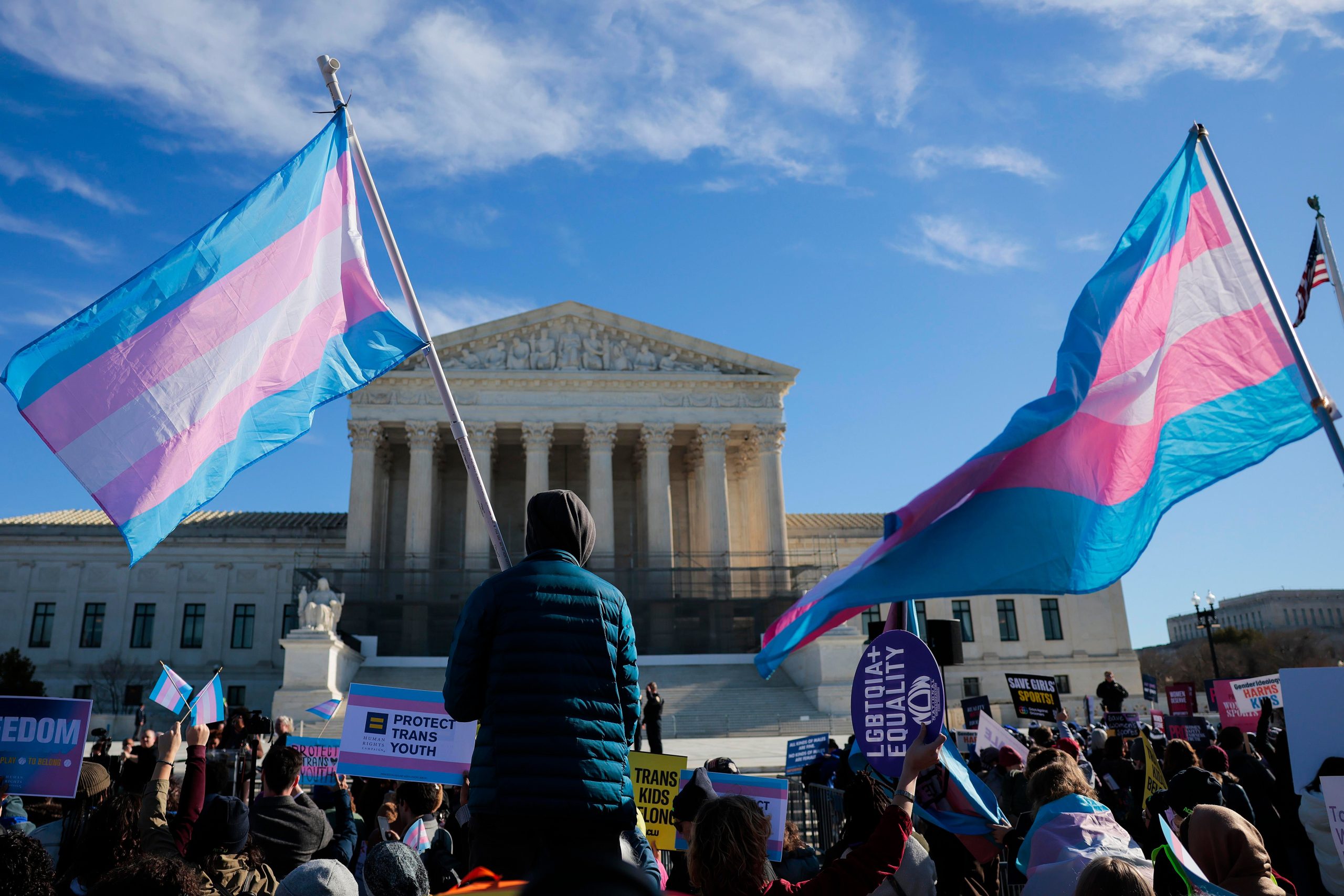
The Supreme Court has delivered a significant blow to transgender athletes, ruling that states can prohibit transgender women from competing on women’s sports teams in schools and universities. This decision, affecting over two dozen states with existing bans, was largely anticipated, with Justice Brett Kavanaugh having signaled his stance on the issue two years prior. The ruling underscores a shift in legal interpretation and serves as a stark warning to progressive legal strategies.
A Legal Landscape Redefined
The Supreme Court’s decision solidifies the ability of states to enact and enforce laws that prevent transgender women from participating in sports aligning with their gender identity. This marks a departure from the potential for heightened constitutional protections for transgender individuals, which could have offered a broader shield against discriminatory laws. The Court’s reasoning, as hinted at by Justice Kavanaugh during earlier oral arguments, appears to prioritize biological sex over gender identity in the context of athletic competition, raising concerns about the future of transgender rights litigation.
Implications for Progressive Legal Advocacy
This ruling is more than just a setback for transgender athletes; it’s a cautionary tale for progressive lawyers and advocates. The expectation that courts would extend sex-based discrimination protections to transgender individuals has been met with a stark legal reality. The decision suggests that arguments for transgender rights may need to be framed differently, potentially focusing on equal protection clauses or state-level statutes rather than relying solely on broad federal interpretations. The conservative majority on the Court appears less inclined to recognize gender identity as a protected characteristic on par with sex assigned at birth, particularly in areas with significant social and biological considerations.
A Broader Societal Impact
Beyond the immediate impact on transgender athletes, this ruling reverberates through broader societal debates about identity, inclusion, and legal rights. It highlights the ongoing tension between evolving social norms and established legal frameworks. For progressive movements, this outcome necessitates a strategic re-evaluation of legal approaches. It underscores the importance of building consensus at the state level and potentially seeking legislative solutions, as judicial avenues appear increasingly challenging. The Supreme Court’s decision serves as a critical reminder that legal victories are not guaranteed and that the interpretation of constitutional rights can be profoundly influenced by the composition of the judiciary.
The Supreme Court’s ruling on transgender athletes is a significant development with far-reaching implications. It not only impacts the immediate lives of transgender individuals seeking to participate in sports but also signals a more challenging legal landscape for those advocating for transgender rights. Progressive legal strategists will need to adapt their approaches, potentially focusing on legislative action and carefully crafted arguments to navigate this evolving legal terrain.
Based on materials: Vox



