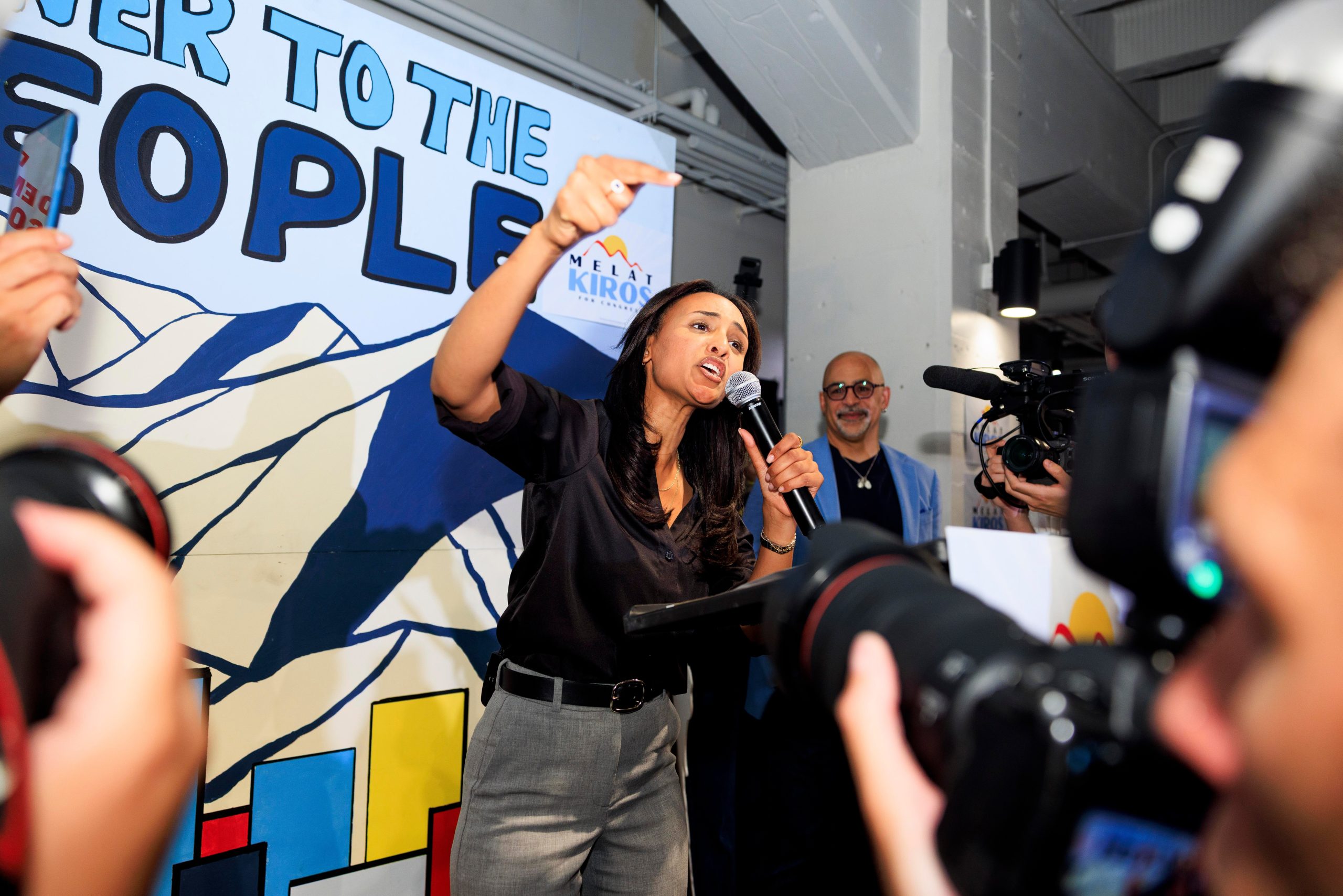
The landscape of American politics is experiencing a seismic shift, with a wave of progressive and socialist candidates achieving notable victories in recent Democratic congressional primaries. This surge, particularly prominent in the past fortnight, has seen four insurgent left-wing candidates, including three self-identified socialists, clinch nominations. The most recent high-profile win saw 29-year-old Melat Kiros unseat 15-term incumbent Diana DeGette in Colorado, a symbolic victory that underscores a broader trend.
These triumphs are not isolated incidents but rather the culmination of a potent year for progressive movements, with the Democratic Socialists of America (DSA) emerging as a significant force. Beyond congressional races, socialists are poised to hold key mayoral positions in major cities like New York, Seattle, Washington D.C., and Chicago. Furthermore, progressive candidates have demonstrated strength in numerous competitive congressional primaries, including a left-populist securing the Democratic nomination for the Senate in Maine. The momentum is palpable, with Abdul El-Sayed, a figure long supported by Bernie Sanders’s base, heavily favored to win the Democratic Senate primary in Michigan, signaling a potential expansion of progressive influence.
The Ideological Divide Within the Democratic Party
While these victories paint a picture of burgeoning left-wing power, they also highlight an ongoing ideological tension within the Democratic Party. The successes of candidates like Kiros and others represent a clear push for more distinctly socialist policies on issues ranging from economic inequality to healthcare and climate action. This embrace of more radical platforms by a segment of the electorate is forcing a recalibrations of what is considered “electable” within the party. However, the challenge for these newly nominated candidates, and the broader progressive movement, lies in translating primary success into general election victories, particularly in swing districts and states where a more centrist appeal might be necessary. The coming months will be crucial in determining whether this progressive momentum can overcome established political structures and broader voter concerns.
A Path to Power or a Symbolic Stand?
The question now is whether these primary wins represent a fundamental realignment of the Democratic Party or a more localized expression of voter discontent. The narrative of “Blue America” being painted in rosy hues by the left is gaining traction, but the ultimate impact of this ideological shift on national policy and electoral outcomes remains to be seen. The “big reason” these socialist voters may not get
all
they want, as suggested by the original framing, likely lies in the complex arithmetic of American elections. While primary voters may be drawn to more ideologically pure candidates, the general electorate often prioritizes broader appeal and pragmatic solutions. The challenge for the progressive movement will be to bridge this gap, demonstrating how their policy goals can resonate with a wider swath of the American public, thereby securing not just nominations, but actual seats of power and influence in government. The coming election cycles will be a critical test of their ability to build sustainable coalitions and enact their vision.
Based on materials: Vox