
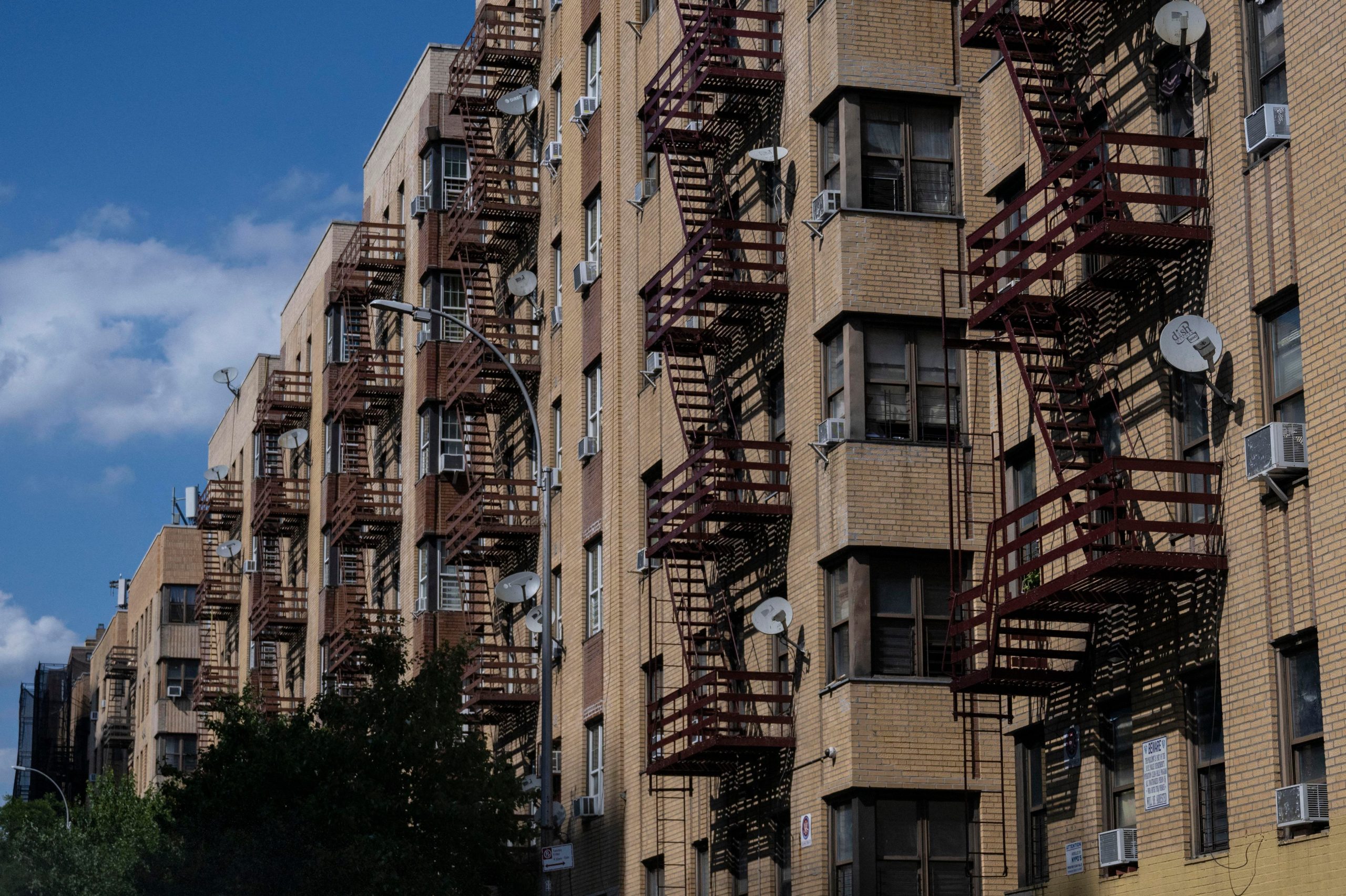
America’s reliance on air conditioning has created a critical vulnerability, leaving many buildings ill-equipped to handle the increasing threat of heat waves. While picturesque Greek islands have long utilized reflective white paint to combat the sun’s intensity, a stark contrast emerges in the United States, where modern construction has largely prioritized artificial cooling over natural resilience.
A Legacy of Over-Reliance on AC
The iconic whitewashed villages of the Greek islands are not merely an aesthetic choice; they represent an ancient wisdom in climate adaptation. The pearly white paint, much like wearing light-colored clothing, reflects solar radiation, preventing buildings from absorbing excessive heat. This passive cooling technique, along with other traditional methods like Iran’s wind catchers and Malaysia’s stilt-raised homes designed for airflow and flood mitigation, demonstrate centuries of human ingenuity in coexisting with warmer climates.
In contrast, the United States has overwhelmingly embraced air conditioning as the primary solution to soaring temperatures. This widespread adoption has led to a construction paradigm where buildings are designed with the assumption of constant AC operation. Consequently, many homes, schools, and hospitals lack fundamental passive cooling features that could offer a buffer during power outages or when AC systems fail. This over-reliance creates a dangerous dependency, particularly as heat waves become more frequent and intense due to climate change.
The Hidden Costs of “Cool” Buildings
The convenience of air conditioning has masked a critical flaw: many American buildings are essentially heat traps. Without inherent design elements that promote natural cooling – such as adequate insulation, strategic window placement for ventilation, or reflective roofing materials – these structures become ovens when the AC is not functioning. This deficiency is not just an inconvenience; it poses a significant public health risk, especially for vulnerable populations like the elderly, young children, and those with pre-existing health conditions.
Furthermore, the energy demands of widespread air conditioning contribute to the very problem they are intended to solve. The electricity required to power these cooling systems often comes from fossil fuel-powered plants, exacerbating greenhouse gas emissions and accelerating climate change. This creates a self-perpetuating cycle of warming, increased AC use, and further environmental degradation. The economic burden of constant AC operation, coupled with the potential costs of heat-related illnesses and infrastructure damage, highlights the unsustainable nature of this approach.
Rethinking Resilience in a Warming World
The lesson from the world’s warmer regions is clear: passive cooling strategies are not relics of the past but essential components of future-proof building design. Integrating reflective surfaces, improving natural ventilation, and utilizing building materials that minimize heat absorption are crucial steps towards creating more resilient structures. This requires a shift in architectural thinking, moving beyond the sole reliance on active cooling systems and embracing a holistic approach to building for a changing climate.
As climate change continues to drive more extreme weather events, including severe heat waves, the United States must confront the fundamental vulnerabilities in its built environment. Ignoring the lessons of historical climate adaptation and doubling down on an energy-intensive, single-solution approach is a recipe for disaster. A proactive embrace of passive cooling and sustainable design principles is not merely an option, but a necessity for ensuring the safety and well-being of its citizens in the face of a warming planet.
Based on materials: Vox



