
As the United States approaches its 250th anniversary, the planned celebrations are overshadowed by a palpable sense of division, likened to a strained family gathering on the brink of irreparable conflict. What should be a unifying moment to reflect on shared national values has devolved into a partisan battleground, a stark contrast to the intended spirit of its founding. While some point to the current administration’s focus on personal branding as a contributing factor, the unease surrounding “America 250” runs deeper, reflecting a significant chasm between the nation’s political factions.
This historical juncture, meant to be a beacon of collective identity, is instead highlighting a growing divergence in how Americans perceive their nation’s past, present, and future. The very notion of what constitutes a “benign celebration” of American values has become a point of contention, with opposing political ideologies framing the narrative in drastically different ways. This partisan framing suggests that the upcoming anniversary is not merely a passive observance but an active arena for ideological debate, where historical interpretation itself becomes a political weapon.
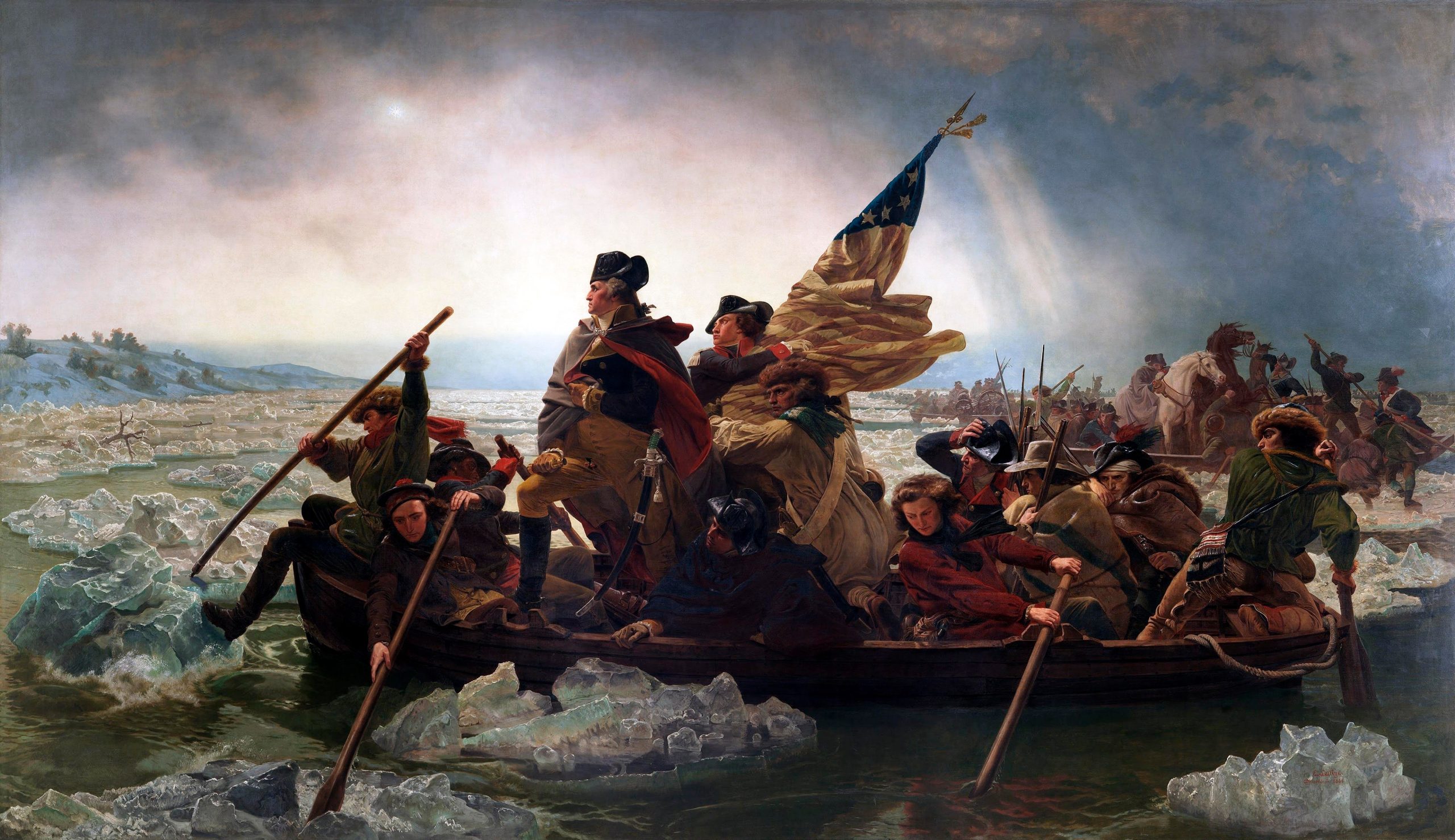
The painting “Washington Crossing the Delaware,” a powerful symbol of American resilience and determination, serves as a poignant backdrop to this contemporary struggle. Created by Emanuel Leutze in 1851, it depicts a pivotal moment in the American Revolutionary War, a testament to the nation’s capacity for overcoming immense challenges through unity and strategic action. Yet, in today’s fractured political landscape, even such iconic imagery can be subject to partisan interpretation, underscoring the difficulty in finding common ground. This is where the work of a late historian, whose insights offer a renewed perspective, becomes particularly relevant. Their scholarship, often focused on the enduring principles that have historically bound the nation together, provides a much-needed antidote to the prevailing sense of discord. By emphasizing the foundational ideals and the continuous, albeit imperfect, striving towards them, this historian’s work offers a framework for a more hopeful and inclusive commemoration of America’s milestone birthday.
The historian’s legacy lies in their ability to articulate a vision of America that transcends immediate political squabbles. Their research suggests that the nation’s strength has always resided in its capacity for reinvention and its commitment to evolving ideals, even when faced with internal strife. This perspective encourages a focus on the shared narrative of progress and the ongoing effort to live up to the promises enshrined in its founding documents, rather than getting bogged down in the divisive rhetoric of the present. As America grapples with its identity on the eve of its 250th anniversary, the wisdom of such historical figures offers a guiding light, reminding citizens of the enduring potential for unity and the possibility of a future where shared values can once again be celebrated with genuine optimism.
Based on materials: Vox



