
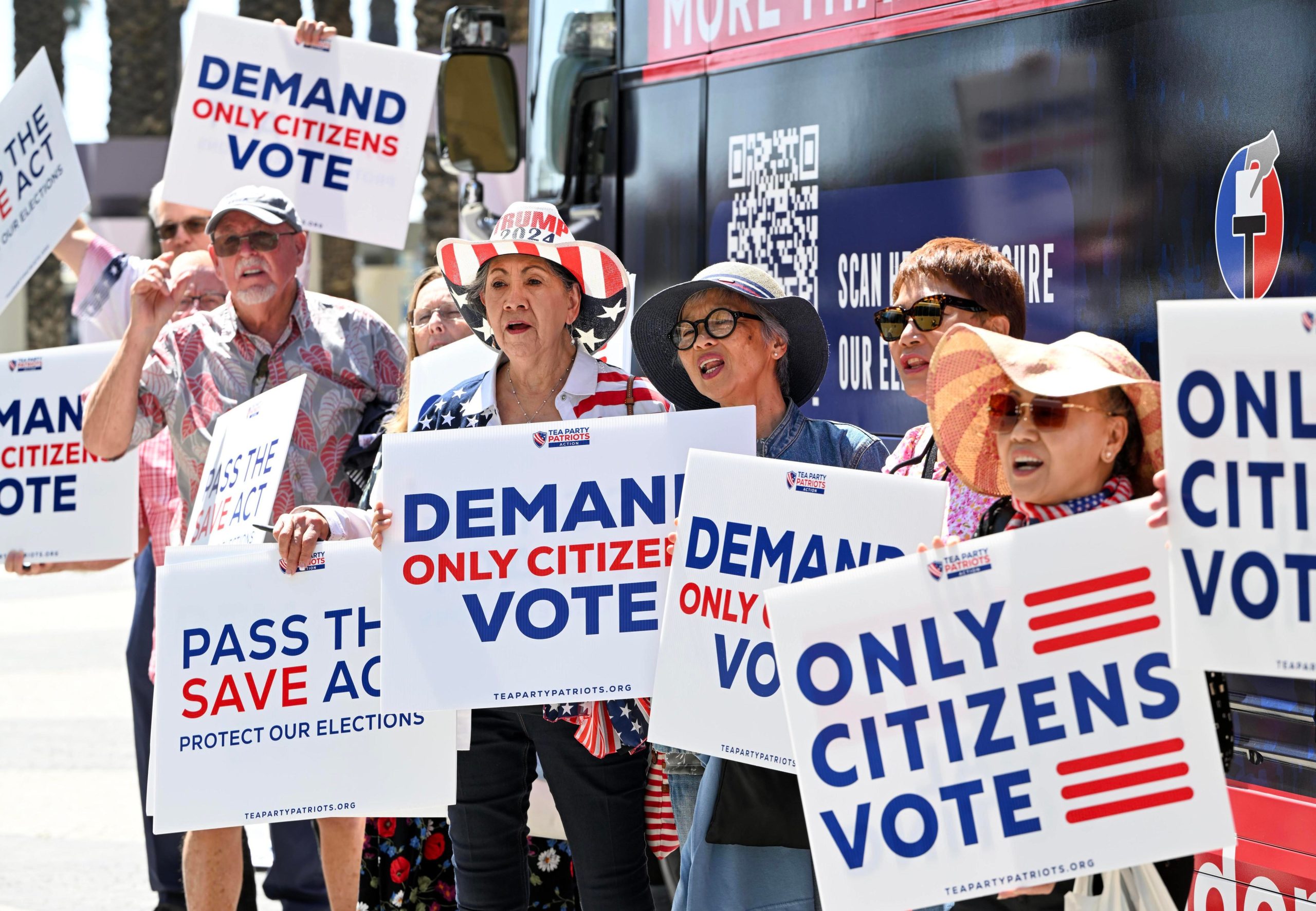
President Donald Trump has made the “SAVE America Act” a singular focus of his legislative agenda, signaling a determined push to reshape the nation’s voting processes. This proposed legislation, if enacted, would introduce significant nationwide mandates for voter registration and ballot casting, aiming to tighten security and verification measures.
The core of the SAVE America Act centers on establishing stringent requirements for proving U.S. citizenship during voter registration. Furthermore, it mandates the presentation of photo identification at polling stations for in-person voting. For those opting to vote by mail, the bill proposes requiring photocopies of identification to accompany their ballots. This comprehensive approach to voter verification underscores the Trump administration’s stated commitment to what it describes as election integrity.
The bill’s prominence in Trump’s agenda has reportedly influenced the Republican-controlled Congress, with reports suggesting it has overshadowed other legislative priorities. President Trump has indicated a reluctance to sign other potentially crucial legislation, including a bipartisan housing bill and the reauthorization of the Foreign Intelligence Surveillance Act (FISA), until progress is made on the SAVE America Act. This strategic prioritization highlights the bill’s perceived importance to the President and his political objectives.
Implications for National Elections
The proposed changes within the SAVE America Act carry substantial implications for how Americans register to vote and cast their ballots. Advocates for the bill argue that these measures will enhance security and reduce the potential for fraud, thereby bolstering public confidence in election outcomes. They point to the potential for increased accuracy in voter rolls and a more streamlined, verifiable voting process.
However, critics of the SAVE America Act raise significant concerns about its potential impact on voter access and participation. Opponents argue that the stringent identification requirements, particularly for mail-in ballots, could disproportionately affect certain demographics, including minority groups, the elderly, and low-income individuals who may face greater challenges in obtaining the necessary forms of identification or photocopies. There is also apprehension that these measures could inadvertently disenfranchise eligible voters.
A Political Battleground
The SAVE America Act has quickly become a focal point of political debate, dividing lawmakers and the public. Supporters, like those seen rallying in support of the bill, view it as a necessary step to safeguard democratic processes. They emphasize the need for robust verification to ensure that only eligible citizens cast votes.
Conversely, those who oppose the bill express deep concerns about its potential to suppress votes and create barriers to participation. They often cite instances where similar measures have been challenged in courts for their alleged discriminatory effects. The intense focus on this single piece of legislation signals a broader ideological clash over the balance between election security and voter accessibility, a debate that is likely to intensify as the bill moves through the legislative process. The outcome of this legislative push will undoubtedly shape the future of voting in the United States.
Based on materials: Vox



