
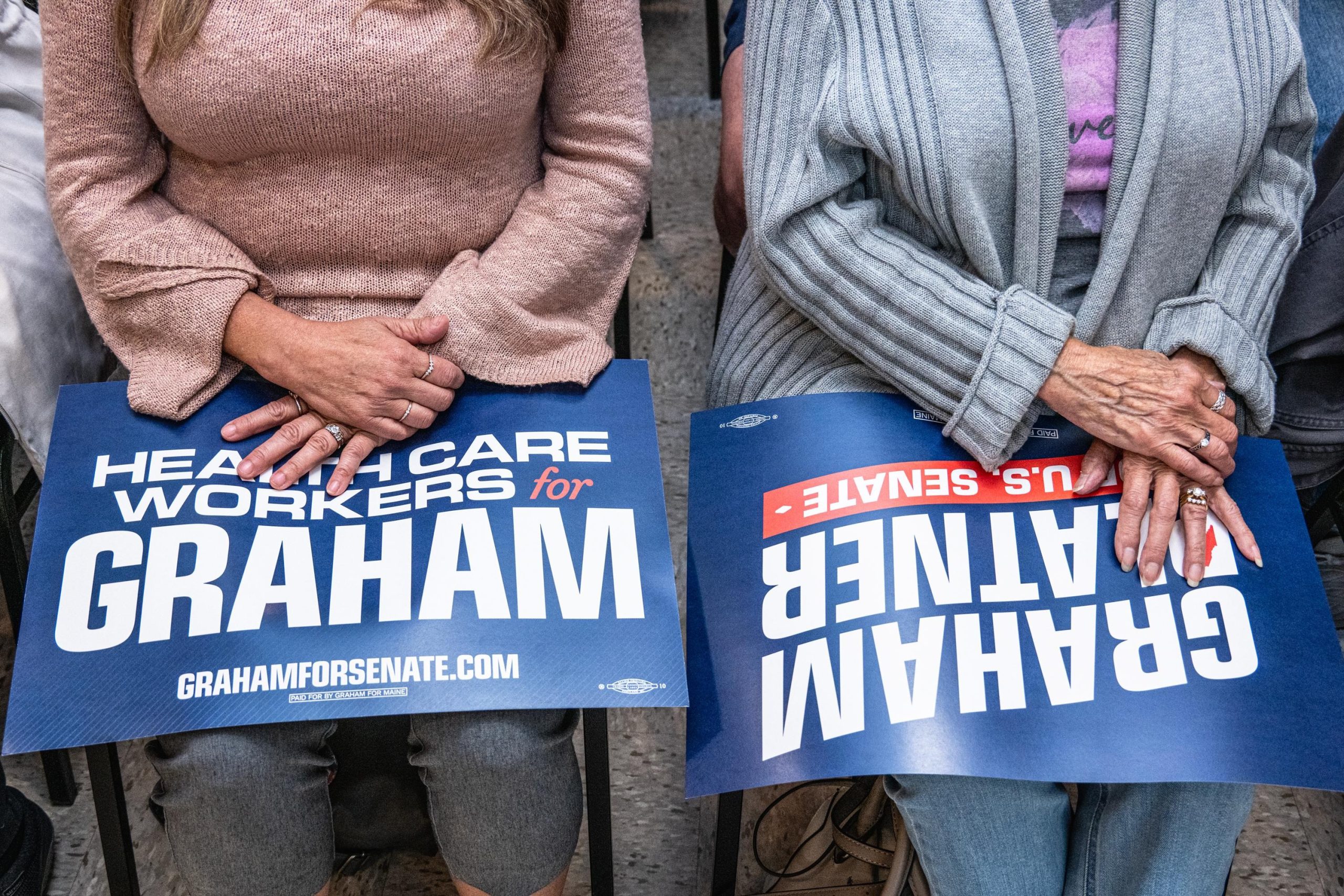
The aspirations of Democratic Senate candidate Graham Platner have been dramatically sidelined following a detailed report of sexual assault allegations, prompting a swift and widespread call for his withdrawal from the race. The unfolding situation raises pointed questions about vetting processes and the delicate dance between personal history and political viability.
A Shadow of Allegations
Just last month, Platner engaged with Democratic senators in an effort to quell concerns surrounding his past. During these meetings, senators reportedly probed the candidate about any potential damaging revelations, particularly concerning accusations of sexual assault. Platner’s assurances that no credible allegations would surface appear to have been tragically misplaced. Politico’s recent comprehensive report, featuring an accuser who dated Platner, details an alleged incident of sexual assault in 2021. This revelation has precipitated a rapid erosion of support for Platner’s campaign.
The fallout was almost immediate. Key Democratic organizations, including the Democratic Senatorial Campaign Committee, along with prominent figures like streamer Hasan Piker and Senator Bernie Sanders, have publicly urged Platner to step down. The deadline for candidates to withdraw their names from the ballot looms, presenting a critical juncture for both Platner and the Maine Democratic Party. The party now faces the challenge of navigating this late-stage crisis and potentially finding a replacement candidate to contest the Senate seat.
The Perils of Vetting and Disclosure
This episode highlights the perennial challenge political campaigns face in thoroughly vetting candidates and anticipating the impact of past conduct. While campaigns invest resources in background checks, the disclosure of personal history, especially concerning sensitive allegations like sexual assault, often remains a volatile element. The timing of such revelations can be devastating, as seen in Platner’s case, where assurances given to party leadership were soon contradicted by public reporting.
The incident also underscores the influence of media in shaping political narratives. Politico’s in-depth report, by bringing these allegations to light with significant detail, has catalyzed the campaign’s demise. The subsequent amplification by various media outlets and public figures has created an untenable situation for Platner, forcing a reckoning with his personal past that has direct implications for his political future.
A Party’s Strategic Crossroads
As the withdrawal deadline approaches, the Maine Democratic Party finds itself at a critical juncture. The loss of a candidate this close to a crucial ballot deadline presents a significant logistical and strategic hurdle. The party must now consider its options, which may include rallying behind an alternative candidate or facing the prospect of running without a nominee on the ballot, a scenario that would severely jeopardize their chances of winning the Senate seat. This situation serves as a stark reminder of the personal conduct that can derail even seemingly promising political careers and the complex decisions parties must make in the face of unforeseen crises. The coming days will reveal how the Maine Democratic Party intends to address this profound challenge.
Based on materials: Vox



