
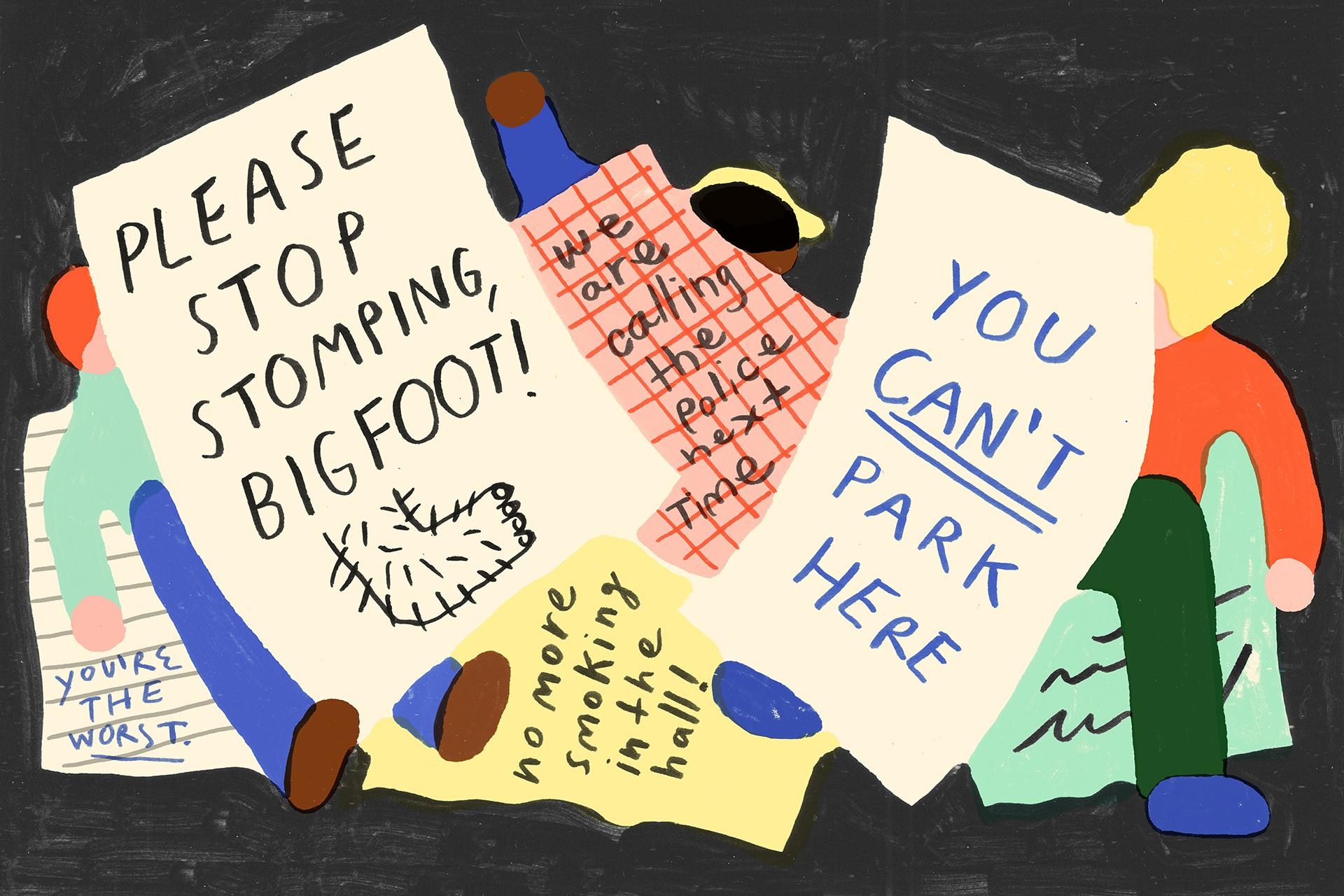
Living in close quarters with others is a modern reality for millions of Americans, and while it can foster a sense of community, it also inevitably leads to friction. From the thumping bass of a late-night party to the relentless barking of a neighbor’s dog, irritating habits can quickly turn a peaceful living situation into a source of constant stress. But before you resort to passive-aggressive tactics or a full-blown feud, there are more constructive ways to navigate these common annoyances.
The challenge of neighborly disputes is as old as communal living itself. Whether you’re stacked in an apartment building, separated by a thin wall, or sharing a fence line, the potential for conflict is ever-present. The spectrum of irritations is vast, ranging from the seemingly minor – an unkempt lawn or a car consistently blocking your driveway – to the more disruptive, like frequent loud gatherings that shatter the peace. These issues don’t discriminate by location; they plague urban dwellers, suburbanites, and even those in more rural settings. The digital age has only amplified the shared frustration, with online forums awash in tales of neighborly woes and the often-dreaded neighborly note.
The Art of Gentle Confrontation
Direct communication, while often daunting, remains the most effective first step. The key is to approach the situation with a focus on resolution rather than accusation. Framing the conversation around your experience and needs, rather than the neighbor’s perceived wrongdoing, can diffuse potential defensiveness. For instance, instead of saying, “Your music is too loud,” try, “I’ve been having trouble sleeping lately because of the noise at night. Would it be possible to keep it down after 10 PM?” This approach humanizes the issue and opens the door for compromise. Preparation is also vital. Consider the best time and place for the conversation – a neutral setting, when both parties are likely to be calm and receptive. A friendly, non-confrontational tone can set a positive precedent for future interactions.
Beyond the Direct Approach: Diplomatic Solutions
When direct confrontation feels too difficult or has proven unsuccessful, exploring alternative strategies can be beneficial. For less severe issues, a polite, well-written note can sometimes convey a message without the immediate tension of a face-to-face encounter. However, this method carries its own risks and should be approached with care, ensuring the tone remains respectful and constructive. If the problem persists or escalates, understanding your rights and responsibilities as a tenant or homeowner is crucial. Reviewing your lease agreement or homeowner’s association (HOA) rules might reveal relevant guidelines. In more serious cases, involving a neutral third party, such as a landlord, property manager, or an HOA representative, can provide a pathway to mediation and resolution.
Cultivating a Peaceful Coexistence
Ultimately, fostering a positive relationship with your neighbors, even amidst minor irritations, contributes to a more harmonious living environment. Small gestures of goodwill, like offering a friendly wave or a brief chat, can build a foundation of mutual respect. While it’s unrealistic to expect perfect harmony with everyone, approaching neighborly interactions with empathy, patience, and a willingness to communicate can transform potential conflicts into opportunities for understanding. By employing thoughtful strategies, you can reclaim your peace and create a more enjoyable living space for yourself and those around you.
Based on materials: Vox



