
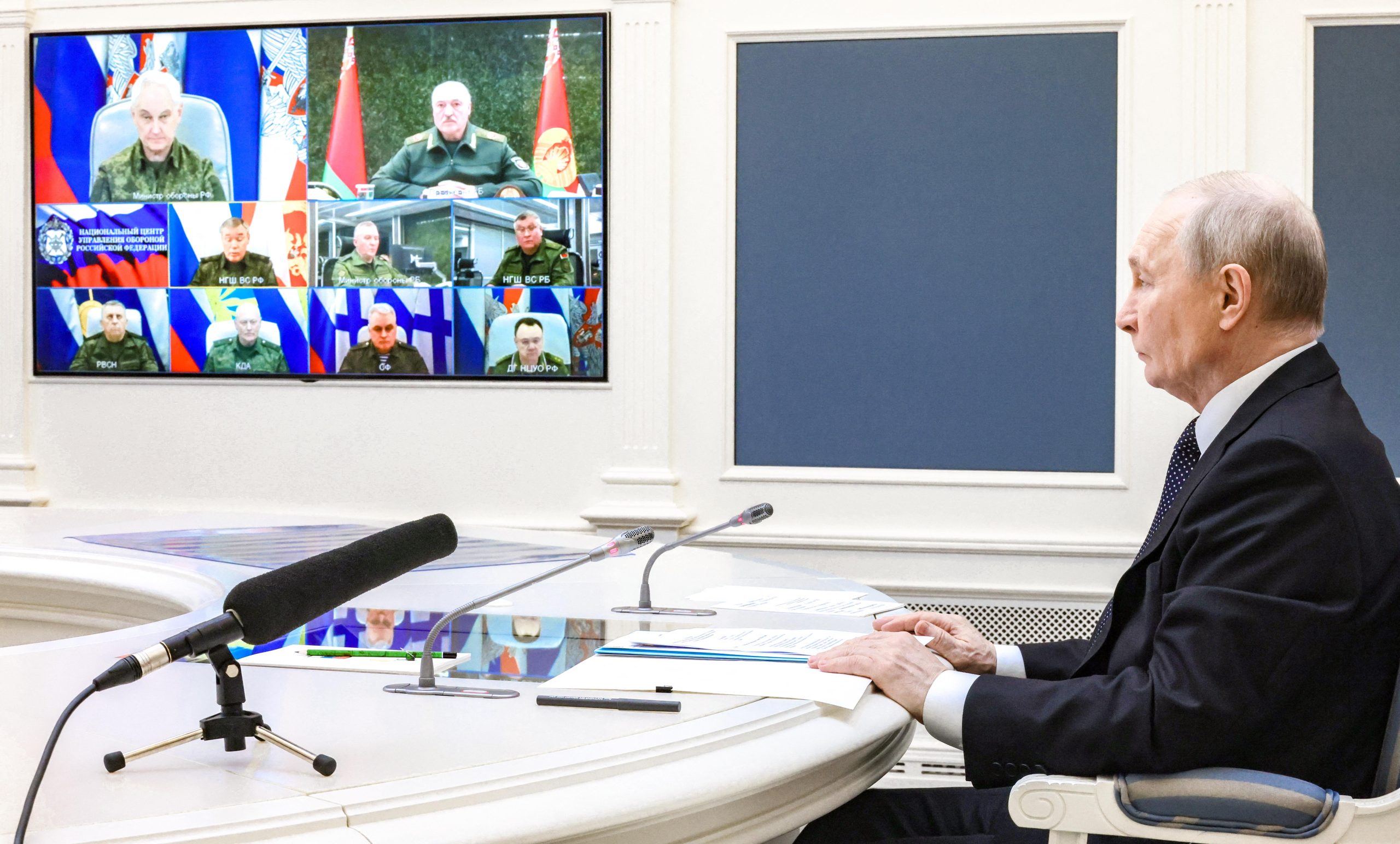
The once-potent specter of Vladimir Putin’s nuclear threats appears to be losing its chilling effect on Ukraine’s allies. A significant shift in international posture was evident at a recent summit in Turkey, where NATO leaders not only stood firm in their support for Ukraine but also openly endorsed Kyiv’s increasingly bold strategy of striking deep within Russian territory. This marks a departure from previous anxieties that such escalations could trigger a devastating nuclear response from Moscow.
For a considerable period, the mere suggestion of Ukrainian attacks on Russian soil would elicit stark warnings from the Kremlin, painting dire pictures of catastrophic repercussions and emphasizing the inviolability of Russia’s “red lines.” This strategy, rooted in Russia’s status as the world’s largest nuclear power, often led to cautious responses from Ukraine’s Western partners, who feared being drawn into a direct confrontation with a nuclear-armed state. However, the current geopolitical landscape suggests a recalibration of these fears.
A New Calculus of Escalation
The recent surge in Ukrainian drone attacks, reportedly exceeding 400 on a single night targeting Russia, underscores this evolving dynamic. These strikes, primarily aimed at Russia’s energy infrastructure, are a deliberate tactic to internalize the costs of the ongoing invasion for Russian citizens and, by extension, pressure the Kremlin to cease its aggression. The international community’s tacit, and now more overt, backing of these operations signifies a growing belief that the traditional deterrent of nuclear threats is no longer sufficient to shield Russia from the consequences of its actions.
This strategic pivot suggests that Ukraine and its allies have developed a new calculus regarding escalation. The emphasis has shifted from solely preventing Russian escalation to allowing Ukraine the means to inflict reciprocal damage. This approach acknowledges that a prolonged conflict without tangible consequences for the aggressor can embolden further aggression. By targeting critical infrastructure, Ukraine aims to create a domestic pressure point that mirrors the suffering inflicted upon its own people.
Shifting Perceptions and Calculated Risks
The diminished impact of Putin’s nuclear rhetoric can be attributed to several factors. Firstly, the Kremlin’s repeated threats have, in a sense, diluted their potency through overuse and a lack of follow-through on some occasions. Secondly, Western intelligence likely possesses a clearer understanding of Russia’s nuclear doctrine and its thresholds for actual deployment, suggesting that the perceived immediacy of a nuclear response may have been overestimated.
Furthermore, the sustained international unity in condemning Russia’s invasion and providing extensive military and financial aid has created a collective resolve. Allies appear to have moved beyond a purely defensive posture and are now more willing to support offensive actions that could hasten the end of the war. This willingness to embrace a more assertive strategy, despite the inherent risks, signals a growing confidence that the potential for nuclear escalation can be managed through careful calibration and clear communication. The international community appears to be betting that the tangible costs of war, brought home to Russian citizens, will prove a more effective disincentive than the abstract threat of nuclear annihilation.
The implications of this shift are profound. It suggests that the era of absolute nuclear immunity for states engaging in conventional aggression may be drawing to a close. As Ukraine continues to press its advantage, the world will be watching closely to see if this new approach can indeed compel a change in Russian policy without igniting an uncontrollable conflict.
Based on materials: Vox



