
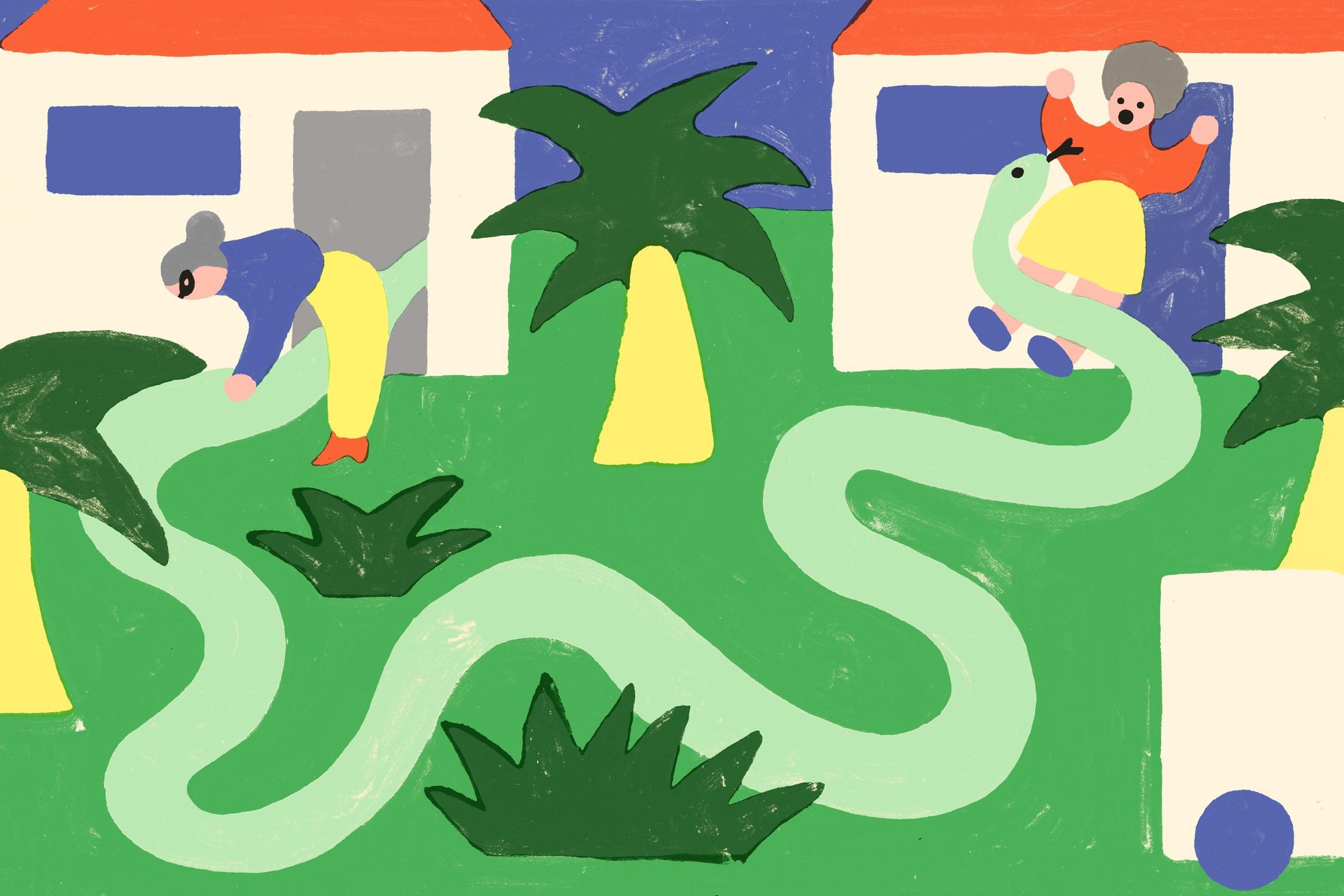
We like to think of ourselves as reasonable, even-keeled individuals. In public, we navigate the world with a semblance of courtesy – yielding grocery aisles, patiently tolerating aggressive drivers. But the sanctuary of home, and more specifically, the shared spaces around it, can transform even the most composed among us into petty tyrants. The seemingly minor infractions of our neighbors, from a misplaced car to an encroaching lawn gnome, can trigger disproportionate rage, revealing a darker, more primal side.
This descent into neighborly warfare isn’t about the parking spot itself, or the misplaced recycling bin. As one observer notes, “Deep down, I know that my blinding rage isn’t really about my ability to park at all.” The real battleground is psychological. These disputes tap into our innate need for control and territory. When someone infringes upon what we perceive as
ours
, it triggers a primal sense of violation. This is amplified in communal living situations like apartment complexes, where personal space is already at a premium and the stakes for perceived fairness feel incredibly high. The monthly fee for a prime parking spot, for instance, transforms a simple inconvenience into a tangible financial loss and a direct challenge to one’s investment in their living situation.
The phenomenon is further fueled by the anonymity and perceived lack of accountability in many shared living arrangements. While we might think twice about confronting a stranger in a supermarket, the neighbor who consistently parks over the line feels more accessible – and therefore, a more convenient target for our pent-up frustrations. This can lead to escalations that feel wildly out of proportion to the original offense. The immediate urge to call a tow truck, knowing the significant financial penalty it will incur, is a prime example of this disproportionate retaliation. It’s not just about resolving the immediate issue; it’s about asserting dominance and enforcing perceived boundaries, often with a punitive mindset.
Ultimately, these neighborly squabbles highlight a fundamental aspect of human psychology: our deep-seated need for order and fairness within our immediate environment. When this order is disrupted, especially in spaces we consider our own, it can unravel our carefully constructed composure. The petty disputes over property lines and parking spaces, while seemingly trivial on the surface, often serve as a proxy for deeper anxieties about control, respect, and belonging. Understanding this psychological undercurrent can be the first step towards de-escalating these common, yet potent, conflicts and fostering more harmonious cohabitation.
Based on materials: Vox



