
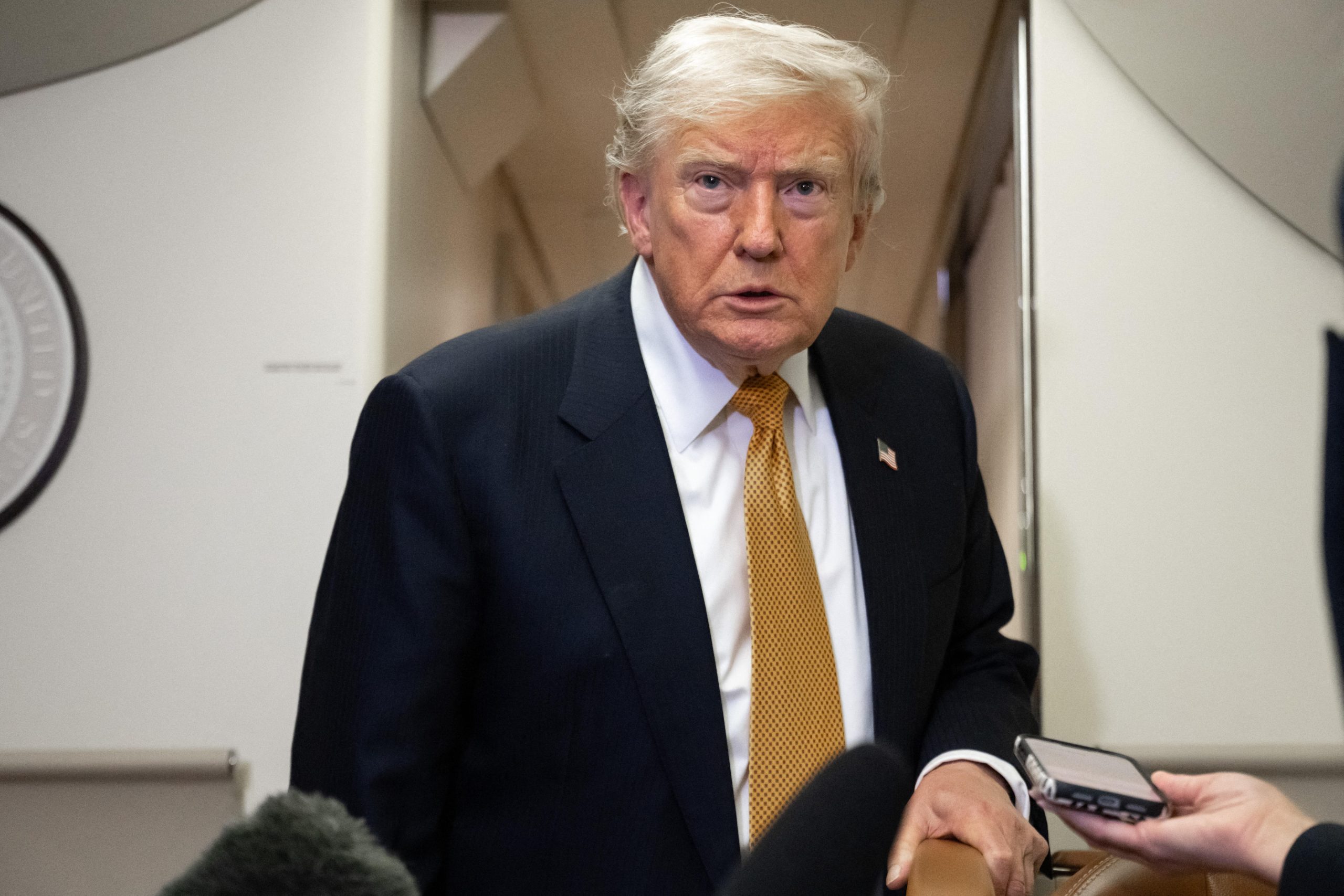
President Donald Trump has initiated a significant overhaul of a federal agency tasked with improving election administration and voter participation. The move has left the Election Assistance Commission (EAC) with a vacant leadership structure, raising questions about its future operations and the administration’s approach to election integrity.
A Commission Left Adrift
The EAC, a bipartisan body established to support election officials and facilitate the voting process, has seen its four-member commission effectively dissolved. Prior to this recent development, the agency was already operating with one fewer member. However, President Trump’s subsequent decision to remove both of its Democratic commissioners, coupled with the resignation of the sole remaining Republican member, has left the EAC without any commissioners. This unprecedented situation leaves a critical agency, designed to foster smooth elections, without its appointed leadership.
The EAC’s mandate is broad, encompassing the certification of voting equipment and the dissemination of best practices for election administration. Its stated goal is to “help election officials improve the administration of elections and help Americans participate in the voting process.” This includes providing guidance and resources to states and local jurisdictions to ensure elections are secure, accessible, and efficient. The commission’s work is vital in building public trust in the electoral system, particularly in an era of heightened scrutiny surrounding election processes.
Implications for Election Administration
The sudden vacancy at the helm of the EAC raises significant concerns for those involved in election administration. Without commissioners, the agency’s ability to perform its core functions, such as certifying voting systems and providing crucial technical assistance to states, is severely hampered. This could lead to delays in the approval of new voting technologies or a reduction in the support available to election officials grappling with complex logistical challenges. Furthermore, the bipartisan nature of the EAC was intended to foster consensus and ensure that its recommendations were broadly accepted across the political spectrum. The current vacuum risks undermining this crucial aspect of its mission.
This development occurs at a time when election integrity and voter access are already subjects of intense national debate. The EAC plays a non-partisan role in addressing these issues, offering a neutral platform for research and guidance. Its incapacitation at this juncture could leave a void in the provision of objective information and support, potentially exacerbating existing tensions surrounding elections. Observers will be watching closely to see how the administration intends to reconstitute the commission and whether its future leadership will be able to effectively address the critical tasks at hand.
Conclusion: A Reshaping of Election Oversight
President Trump’s actions at the Election Assistance Commission represent a significant shift in the agency’s leadership landscape. The departure of all commissioners leaves a void that could impact the ongoing efforts to improve election administration and bolster voter confidence. As the nation continues to navigate the complexities of its electoral processes, the functionality and direction of the EAC will undoubtedly remain a focal point of attention. The administration’s next steps in appointing new leadership will be crucial in determining the agency’s ability to fulfill its vital mission.
Based on materials: Vox



