
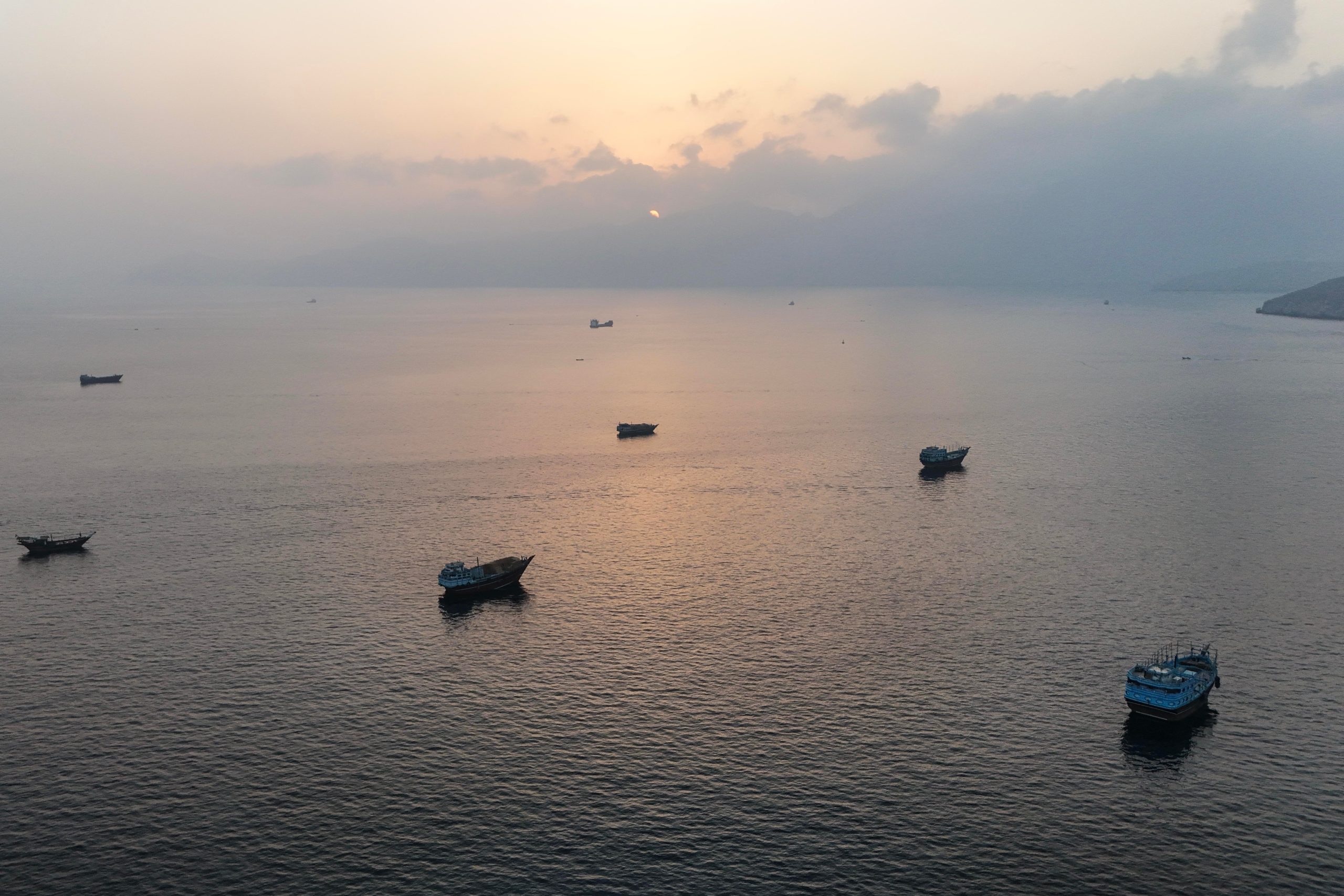
The protracted conflict between the United States and Iran, which ignited in March 2026, has evolved significantly from its initial stated objectives. While the war was initially framed around Iran’s nuclear ambitions, its human rights record, regional provocations, and missile program, the primary flashpoint has shifted dramatically. Today, the conflict is fundamentally about Iran’s control over the vital Strait of Hormuz, a strategic waterway through which a fifth of global oil and gas typically flows.
A Shift in Strategic Calculus
In the early months of the war, the international community and the United States largely focused on Iran’s nuclear program as the central casus belli. However, as the conflict has deepened over the past four months, Iran has successfully weaponized its asymmetric capabilities, particularly its arsenal of inexpensive drones and missiles. These tools have proven remarkably effective in disrupting and threatening maritime traffic in the Strait of Hormuz, transforming it into Iran’s principal lever of influence against the U.S. This strategic pivot highlights a critical miscalculation by the U.S. in its initial assessment of the conflict’s dynamics. The expectation that a swift military engagement would resolve the core issues has been replaced by a protracted struggle where Iran’s ability to choke off global energy supplies has become its most potent bargaining chip.
The Strait as Iran’s Ultimate Weapon
The newfound prominence of the Strait of Hormuz as the epicenter of the conflict underscores a broader trend in modern warfare: the utilization of strategic chokepoints as instruments of coercion. Iran’s leadership, now seemingly emboldened by the effectiveness of its strategy, appears to believe it can dictate terms by threatening the global economy. This confidence, however, echoes a similar overestimation of capabilities observed in the United States prior to the war’s commencement. The U.S. may have underestimated Iran’s resolve and its capacity to adapt its military strategy to exploit vulnerabilities in global supply chains. This dynamic creates a perilous stalemate, where both sides may be operating under a degree of self-deception regarding their ultimate control and leverage.
Navigating a Perilous Future
The evolving nature of the US-Iran conflict presents a complex geopolitical challenge. The initial assumptions that underpinned the American military strategy now appear flawed, as Iran has effectively redefined the conflict’s parameters. The ability to control maritime traffic through the Strait of Hormuz offers Iran a unique and potent form of leverage that bypasses traditional military parity. As the situation continues to unfold, the international community faces the daunting task of de-escalating a conflict that has become increasingly unpredictable, with the global economy held hostage by Iran’s strategic control of this critical maritime artery. The question remains whether Iran’s current overconfidence will lead to a more dangerous escalation or ultimately force a recaliberation of diplomatic efforts to find a sustainable resolution.
Based on materials: Vox



