
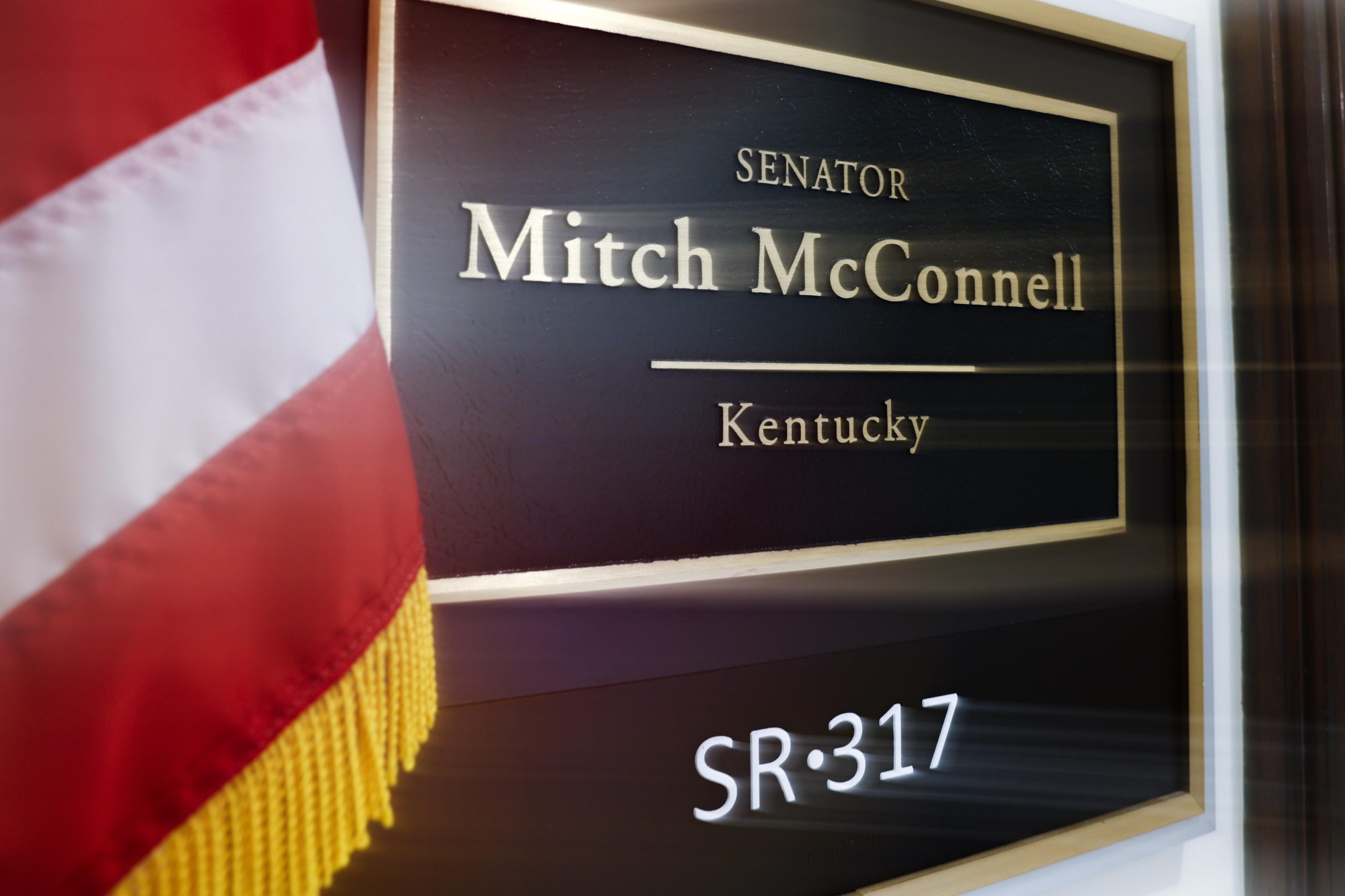
The prolonged absence and limited information surrounding Senate Minority Leader Mitch McConnell’s health have ignited a firestorm of speculation, from cautious political inquiries to wild conspiracy theories. The Kentucky senator’s abrupt hospitalization last month, with scant details initially provided by his office, created a vacuum that was quickly filled by conjecture and concern from both political allies and adversaries, as well as the broader online community.
The lack of transparency fueled a rapid escalation of rumors. Far-right political activist Laura Loomer, for instance, publicly stated that McConnell was “brain dead,” a claim that, while extreme, reflected the level of unease and suspicion that had permeated the discourse. This period of silence amplified existing questions about the health of aging lawmakers and the potential impact of their well-being on legislative stability and leadership within Congress.
A “Proof of Life” Amidst the Rumors
The situation appeared to reach a peak when McConnell’s office released a photograph on Sunday, intended to serve as a “proof of life” and quell mounting anxieties. The image depicted the senator smiling and holding a copy of the Washington Post’s sports section. Accompanying the photo was a statement from McConnell explaining that he was recovering from a fall and undergoing physical therapy. While this move was designed to provide reassurance and clarity, it proved insufficient for many to completely dispel the lingering questions and doubts about his health status and the timeline of events. The very act of needing to release such a photo, in a way, underscored the depth of the information gap that had been created.
The Politics of Health and Transparency
The episode surrounding Senator McConnell’s health highlights a recurring tension in American politics: the intersection of personal well-being and public responsibility. When high-ranking officials experience health issues, especially those that lead to extended absences, the public has a legitimate interest in understanding their capacity to serve. However, the line between necessary disclosure and the protection of an individual’s privacy can be a delicate one. In McConnell’s case, the initial scarcity of information, whether intentional or a consequence of medical protocols, inadvertently allowed speculation to flourish, demonstrating how quickly a narrative can be shaped in the absence of clear facts. This situation raises broader questions about how political leaders and their offices should communicate about health matters to maintain public trust and avoid the proliferation of harmful misinformation.
Navigating the Information Landscape
The intense public scrutiny and rapid spread of unverified claims surrounding Senator McConnell’s health underscore the challenges of navigating information in the digital age. The internet, while a powerful tool for communication and information dissemination, also serves as fertile ground for rumors and conspiracy theories to take root, particularly when official communication is perceived as insufficient. The events surrounding McConnell’s recovery serve as a case study in how a lack of timely and comprehensive information can lead to significant public unease and the amplification of partisan narratives. Moving forward, the communication strategies employed by political figures and their teams regarding health concerns will likely be under even greater scrutiny, with an emphasis on balancing privacy with the public’s right to know about the fitness of their elected representatives.
Based on materials: Vox



