
In a whirlwind of rapid-fire policy shifts, the Trump administration has recently demonstrated a remarkable fluidity in its decision-making, leaving observers to question the substance and longevity of its pronouncements. Within a mere 24-hour span, two significant policy changes, announced and reported on, were subsequently walked back by presidential directives, highlighting a pattern of swift reversals that could impact international relations and domestic law enforcement.
Navigating the Strait of Hormuz: A Fee’s Fleeting Existence
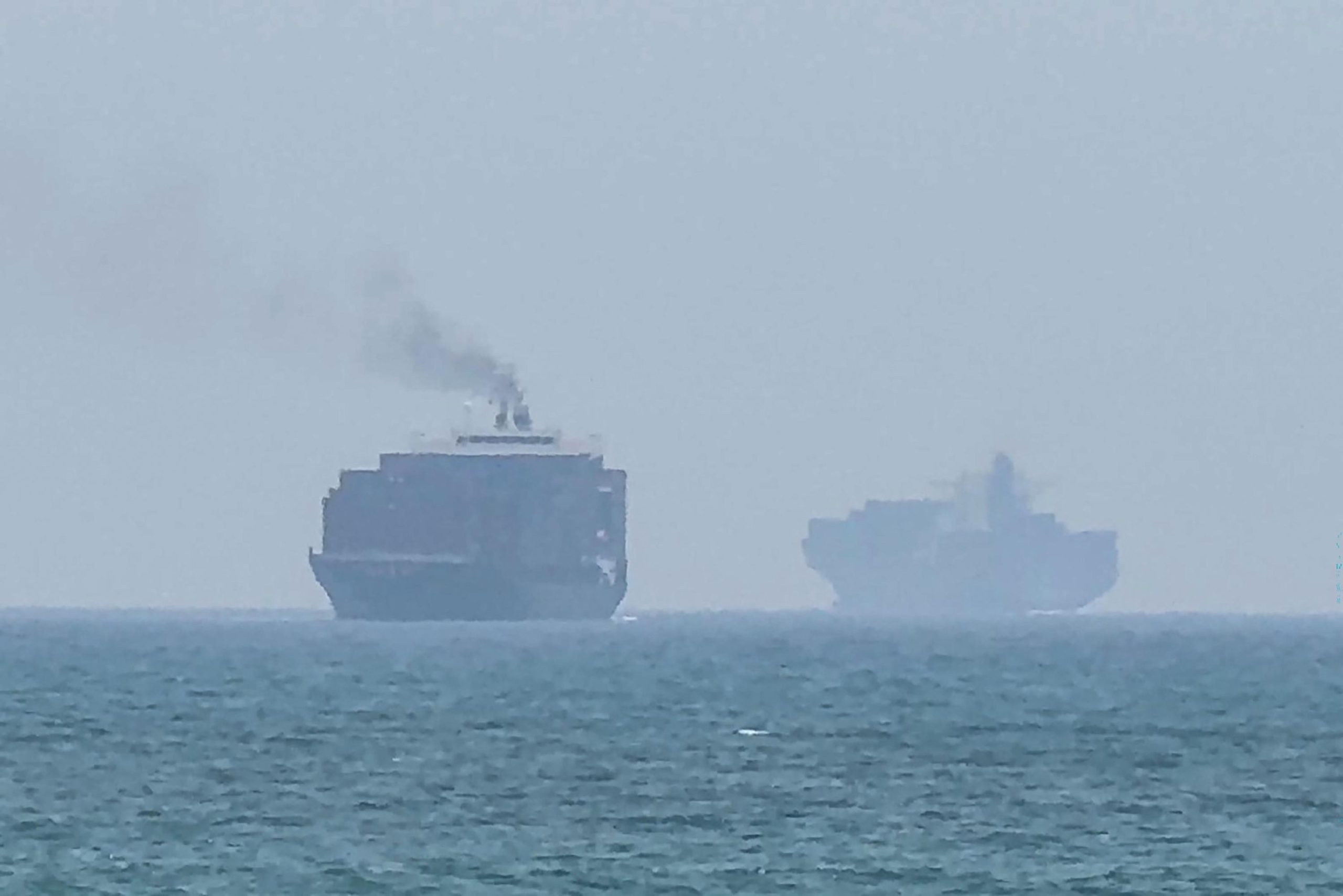
The week began with a notable announcement regarding the critical Strait of Hormuz, a vital waterway for global oil transport. President Donald Trump initially declared an intention to impose a substantial 20 percent fee on nations utilizing the strait, ostensibly as a measure to bolster security and protection for shipping in the region. This proposed fee, intended to generate revenue and leverage influence, was presented as a strategic move to ensure the safe passage of commercial vessels. However, the policy’s lifespan proved to be exceptionally brief. By the following morning, a different approach was unveiled. President Trump took to his social media platform, Truth Social, to announce that the proposed fee would be abandoned. Instead, he suggested that the United States would pursue “trade and investment deals” with Gulf nations, which were purportedly expected to benefit American interests. This abrupt pivot from a direct financial levy to a negotiation-based strategy underscores the volatile nature of the administration’s foreign policy directives. The implications of this shift are significant, potentially altering economic relationships and security assurances for countries reliant on the strait.
ICE Traffic Stops: A Temporary Halt and Immediate Reversal
The administration’s tendency for rapid policy adjustments was further illustrated by a separate, domestic issue. Following two recent fatal shootings, reports emerged that U.S. Immigration and Customs Enforcement (ICE) had been instructed to temporarily halt its traffic stops nationwide. This measure, presumably enacted in response to public safety concerns and perhaps a desire to avoid further controversy in the aftermath of tragic events, signaled a brief pause in a common law enforcement practice. However, much like the Hormuz fee, this directive was short-lived. By the subsequent morning, the order to cease traffic stops had been rescinded, indicating a swift reversal of the initial decision. The rationale behind this rapid change remains unclear, but it raises pertinent questions about the deliberative processes behind such critical operational directives. The ability of law enforcement agencies to adapt to evolving policy guidance, especially when enacted and then immediately withdrawn, presents a logistical and strategic challenge.
Analysis: A Pattern of Volatility
The rapid succession of these policy reversals offers a compelling glimpse into the operational dynamics of the Trump administration. While supporters might view such flexibility as a sign of responsiveness and an ability to adapt to new information, critics often point to a lack of consistent strategy and potential for destabilization. The swift abandonment of a declared policy, whether in foreign affairs or domestic enforcement, can sow uncertainty among allies, adversaries, and even within the government itself. For international partners, it can create an environment where long-term planning becomes difficult. Domestically, it can lead to confusion regarding the application of laws and the priorities of federal agencies. The underlying reasons for these quick changes – whether driven by public reaction, internal disagreement, or simply a change of mind – warrant continued scrutiny as they shape the direction of policy and its real-world consequences.
Conclusion:
The recent instances of policy flip-flops by the Trump administration highlight a recurring theme of rapid and significant shifts in governmental direction. The proposed fee for shipping in the Strait of Hormuz and the temporary halt on ICE traffic stops, both quickly reversed, underscore a pattern that invites analysis. Understanding the motivations and implications of such volatility is crucial for comprehending the broader impact of this administration’s approach to governance, both on the global stage and within the United States.
Based on materials: Vox



