
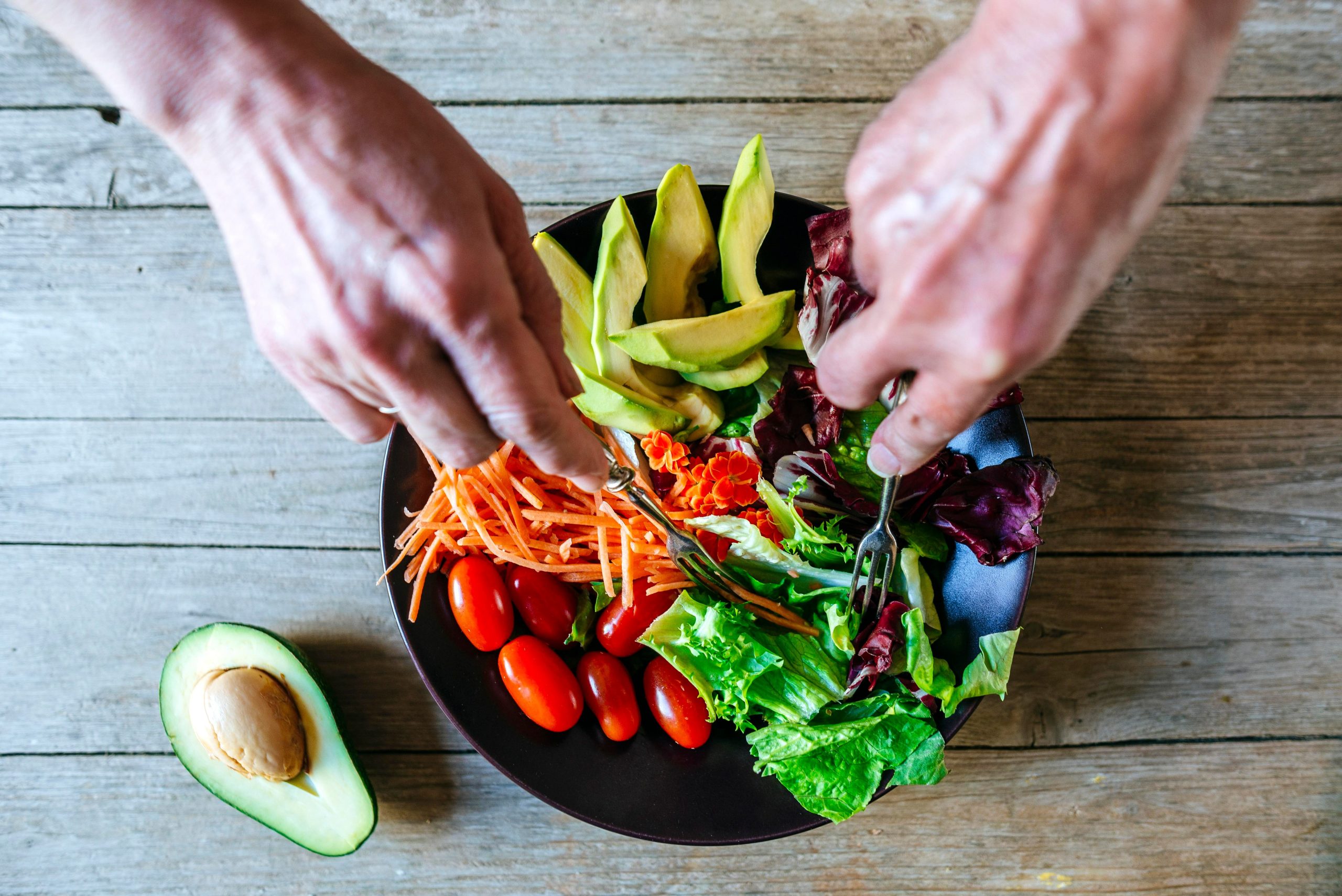
The vibrant summer bounty of fresh fruits and vegetables is usually a cause for celebration, but a recent outbreak of cyclosporiasis has cast a shadow of doubt over the grocery store produce aisle. As thousands fall ill, consumers and even medical professionals are grappling with unsettling questions: Is it time to abandon salads? Are any of our beloved fresh foods truly safe?
This summer’s surge in cyclosporiasis cases, a diarrheal illness caused by the parasite
Cyclospora cayetanensis
, is prompting a reevaluation of how we approach produce consumption. The parasite, often found clinging to fresh produce, can infect individuals who ingest it. Public health officials describe the primary symptom – watery diarrhea – as frequent and, at times, explosive. In Michigan alone, health officials are investigating a significant outbreak linked to produce, with over 4,300 reported cases. While bagged salads and lettuce are currently under scrutiny as potential culprits, the search for the specific contaminated product is ongoing, highlighting the complex challenges in tracing the source of foodborne illnesses.
Navigating the Risk: What Consumers Need to Know
The fear surrounding fresh produce is understandable, but experts emphasize that outright avoidance is not the only or necessarily the best solution.
Cyclospora
infections are primarily linked to contaminated water used to irrigate or wash produce, or through contact with infected feces. This means that while the parasite itself is the threat, the way produce is handled and prepared plays a crucial role in its safety. Thorough washing of all fruits and vegetables under running water is a critical first step for consumers, even for items with peels. For bagged salads, while washing may offer some protection, it’s important to note that the parasite can be difficult to remove completely due to its microscopic nature and adherence to leaf surfaces. Consumers should also be mindful of the origin of their produce when possible and stay informed about any reported outbreaks or recalls.
The Broader Implications for Food Safety
This outbreak underscores a persistent challenge in our global food supply: ensuring the safety of fresh produce. The interconnectedness of agriculture means that a contamination event in one region can quickly impact consumers far away. Public health agencies and food producers are under immense pressure to identify the source of contamination and implement robust preventative measures. This includes rigorous testing protocols, improved water sanitation practices on farms, and enhanced traceability systems to quickly pinpoint and recall contaminated products. The economic impact on the produce industry is also significant, with consumer confidence being a delicate commodity. Ultimately, this situation calls for a multi-pronged approach involving consumers, growers, distributors, and regulators to restore trust and safeguard public health.
The current cyclosporiasis outbreak serves as a stark reminder of the vulnerabilities within our food system. While the immediate concern is for those affected and for preventing further spread, it also presents an opportunity to strengthen our collective approach to food safety. By prioritizing hygiene, staying informed, and supporting efforts to improve agricultural practices, we can work towards a future where enjoying fresh produce doesn’t come with undue anxiety.
Based on materials: Vox



