
The upcoming Michigan Senate primary is shaping up to be a pivotal battleground, not just for a single seat, but for the very identity and direction of the Democratic Party. This high-stakes contest pits two distinct visions of the party’s future against each other, fueled by significant outside investment and a deep ideological divide. At its core, the race is a proxy war for where Democrats believe they must stand to achieve electoral success.
At the forefront of this internal struggle are two prominent candidates: Representative Haley Stevens and Dr. Abdul El-Sayed. Stevens, a figure aligned with the Democratic establishment and reportedly supported by Senate Minority Leader Chuck Schumer, advocates for a more centrist approach. Her campaign emphasizes a pragmatic strategy, arguing that the party must avoid what she perceives as untested or “extreme” progressive policies to secure victories in general elections. This perspective prioritizes electability, framing the path to power through a lens of broad appeal and avoiding potential alienating stances.
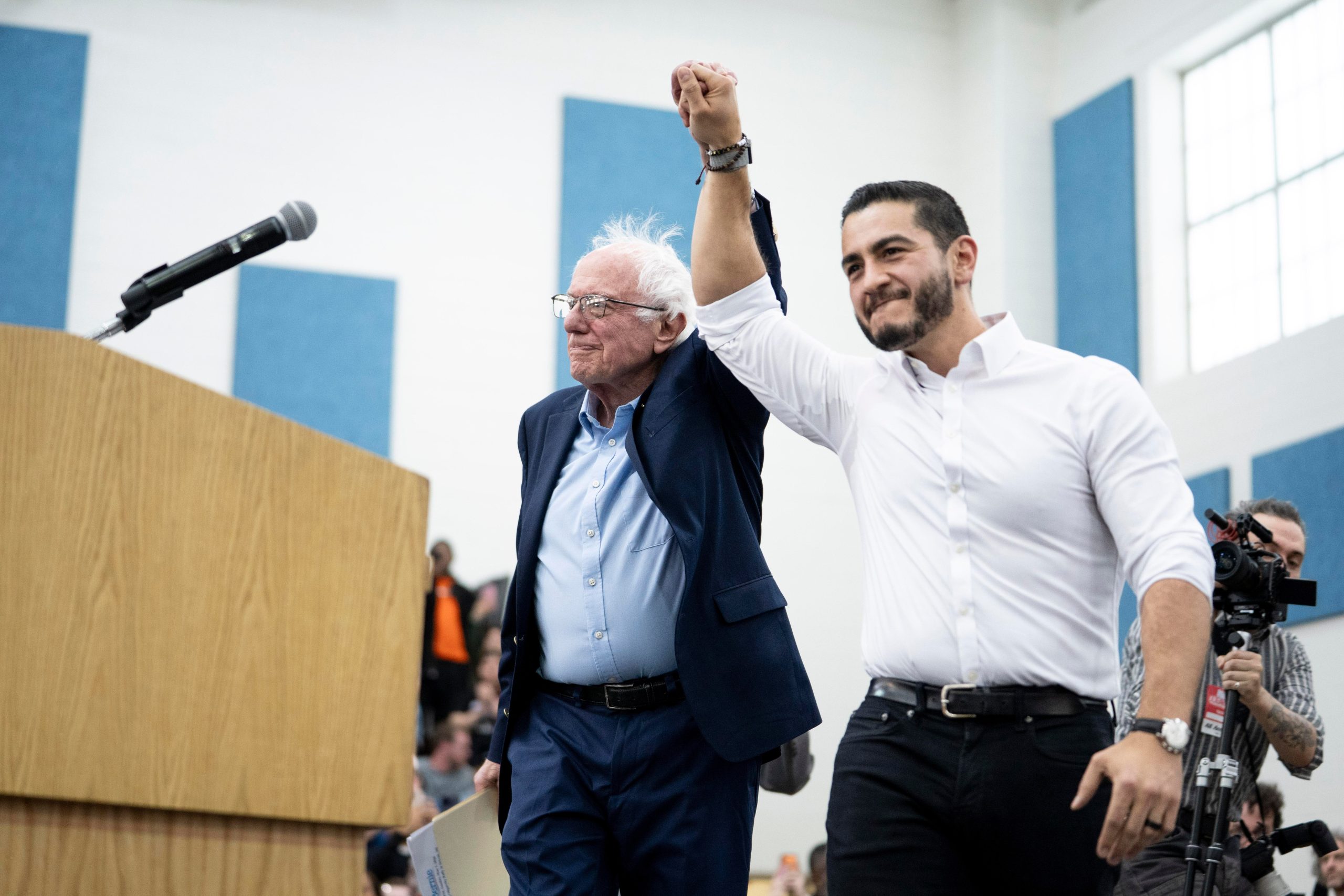
On the opposing side stands Dr. Abdul El-Sayed, a former public health official who embodies a more progressive wing of the party. El-Sayed’s platform challenges the conventional wisdom of the establishment, suggesting a bolder, more transformative agenda is not only viable but necessary. His candidacy signals a desire to “blow up the whole premise” of the electability debate, implying that a strong, values-driven progressive platform can indeed resonate with a wider electorate and drive voter turnout. This approach prioritizes ideological purity and a commitment to addressing systemic issues, even if it means confronting established political norms.
The intensity of this primary is underscored by the staggering amount of outside money flooding into the race, reportedly exceeding $40 million. A significant portion of this funding is reportedly coming from pro-Israel groups, highlighting the national implications of El-Sayed’s candidacy and the broader debates surrounding foreign policy within the Democratic Party. This external financial pressure amplifies the internal divisions, turning what could have been a straightforward primary into a significant referendum on the party’s core tenets and its future electoral strategy. The term “electability” has become a loaded phrase, serving as a shorthand for the fundamental disagreement on how Democrats should best navigate the complex landscape of American politics to achieve and maintain power.
The outcome of the Michigan Senate primary could have far-reaching consequences, potentially setting a precedent for future Democratic races and influencing the party’s platform and messaging for years to come. It represents a critical moment of introspection for Democrats, forcing them to confront internal disagreements and define what it truly means to be a successful Democratic candidate in today’s political climate. The battle in Michigan is not just about winning an election; it’s about winning the soul of the Democratic Party.
Based on materials: Vox



