
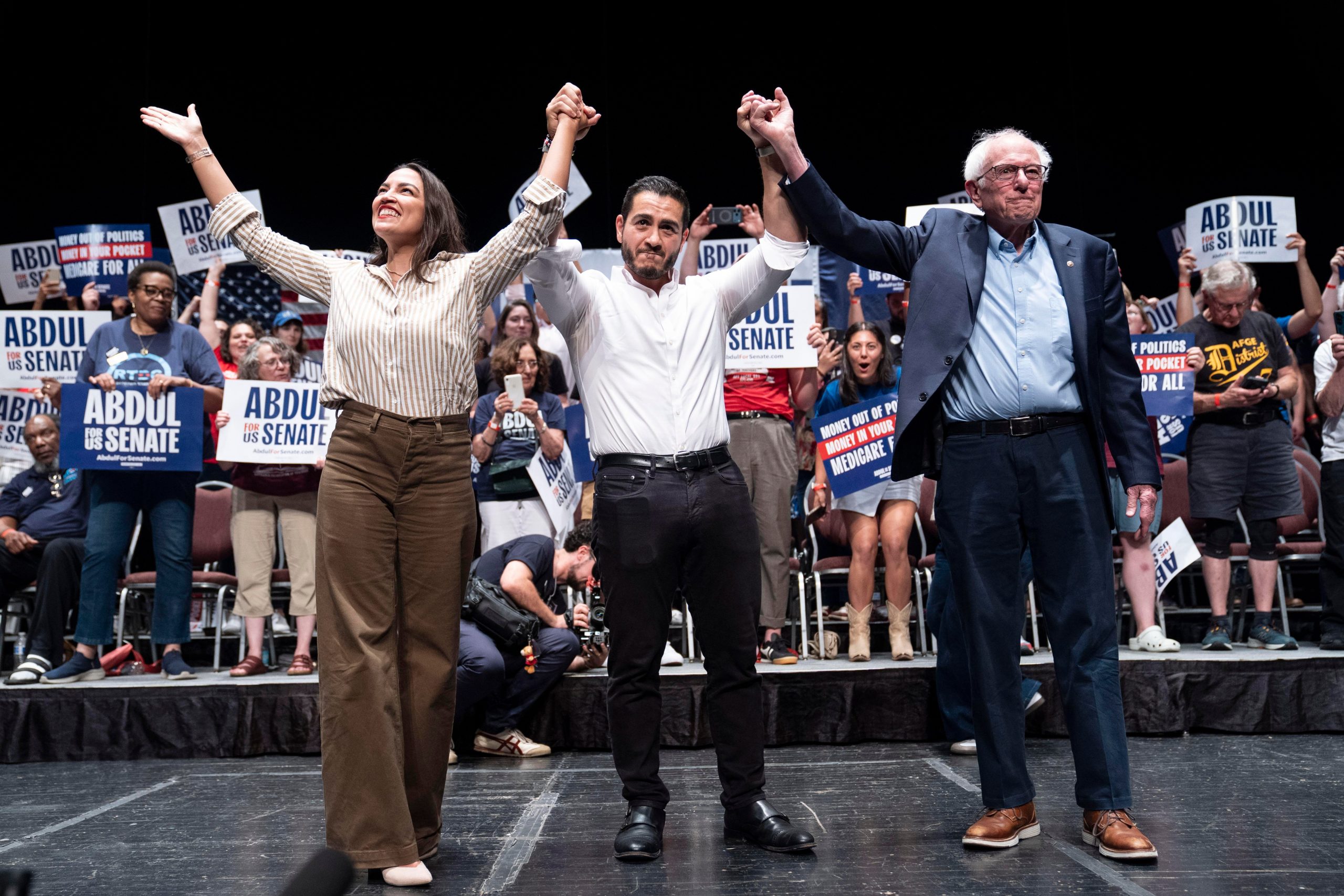
Michigan’s upcoming Senate primary has become an unexpected battleground, not just for a seat in Washington, but for the soul of the Democratic Party itself. A decade’s worth of simmering tensions between the party’s establishment wing and its progressive insurgent left are boiling over, with every ideological fault line seemingly exposed in this high-stakes contest.
The race pits Representative Haley Stevens, a four-term incumbent, against Abdul El-Sayed, a former public health official. This contest has unearthed a spectrum of divisions that have long plagued the Democratic coalition. From debates over gender and racial politics to deeply held views on foreign policy, particularly regarding Israel and Gaza, and fundamental disagreements about campaign finance and electability, the primary is a microcosm of broader party schisms.
Establishment Backing vs. Progressive Momentum
On one side stands Representative Stevens, who enjoys robust support from the Democratic establishment. This backing is significantly amplified by AIPAC, the American Israel Public Affairs Committee, which has reportedly invested nearly $30 million to bolster her campaign. This significant financial infusion highlights the establishment’s commitment to maintaining its influence and backing candidates deemed most aligned with its policy priorities and electoral strategies. AIPAC’s substantial expenditure underscores a strategic push to secure a Senate seat with a candidate they believe will champion their interests.
The Rise of the Progressive Challenger
Challenging Stevens is Abdul El-Sayed, who has garnered the endorsement of prominent progressive figures, including Senator Bernie Sanders. El-Sayed’s campaign taps into the energy of the progressive movement, appealing to voters who champion policies often at odds with the traditional Democratic platform. His background as a former public health official also positions him as an outsider promising a fresh perspective on critical issues facing the state and the nation. The support from figures like Sanders signals a powerful endorsement from the left wing of the party, aiming to mobilize a base that feels underrepresented by the establishment.
A Microcosm of Party Divisions
The Michigan primary is more than just a race for a Senate seat; it’s a vivid illustration of the ongoing internal debate within the Democratic Party. The candidates’ differing approaches to key issues, their funding sources, and the coalitions they represent reflect the broader ideological struggle between pragmatic incrementalism and bold progressive change. This election will undoubtedly offer insights into which faction holds greater sway and what the future direction of the Democratic Party might look like, not just in Michigan, but across the nation. The outcome will be closely watched by political strategists and activists alike as they gauge the party’s ability to bridge its internal divides and present a united front.
Based on materials: Vox



