
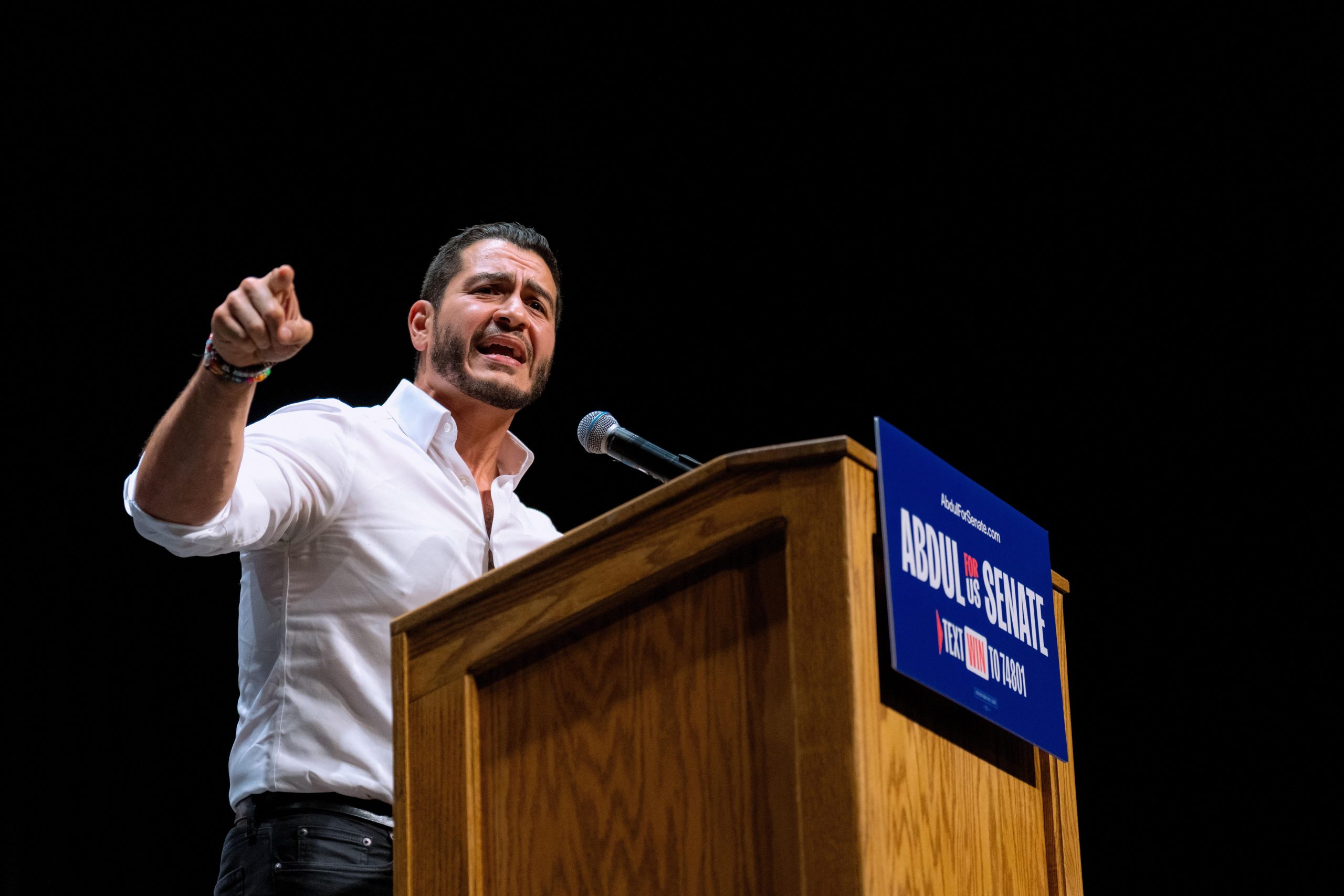
Michigan Senate candidate Abdul El-Sayed, a leading voice for a Medicare-for-all healthcare system, faces scrutiny as reports reveal his wife, a psychiatrist, does not accept Medicare at her private practice. El-Sayed has long championed a universal healthcare model that would eliminate co-pays, premiums, and deductibles, making healthcare accessible to all Americans.
The Advocate and the Practice
El-Sayed, who has authored a book on the subject, is a prominent figure in the “Medicare for All” movement. His vision is one where Medicare covers all essential medical services, is universally accepted, and carries no out-of-pocket costs for patients. However, a recent report from the Washington Free Beacon highlighted that Sarah Jukaku, El-Sayed’s wife and a practicing psychiatrist, does not accept Medicare at her private practice. While this personal detail might seem minor, it has ignited debate within the broader conversation about healthcare reform and the practicalities of universal coverage.
Navigating the Politics of Healthcare
The revelation comes at a critical juncture for El-Sayed’s Senate campaign. His platform is heavily built on advocating for a radical overhaul of the American healthcare system, moving towards a single-payer model. The apparent contradiction between his public policy stance and his wife’s professional practice raises questions about the feasibility and universal application of such a system. Critics argue that if a proponent’s own family does not fully engage with the proposed system, it suggests potential challenges or compromises that are not being fully acknowledged.
This situation also underscores the deep political divisions surrounding healthcare in the United States. While proponents of Medicare for All emphasize the moral imperative of ensuring healthcare as a right, opponents point to concerns about government overreach, potential disruptions to existing systems, and the financial implications of such a massive undertaking. The debate often becomes polarized, with personal anecdotes and perceived inconsistencies being amplified to challenge the core policy proposals.
The Broader Healthcare Debate
The controversy surrounding El-Sayed’s wife’s practice, while specific, taps into a larger, ongoing discussion about healthcare access and affordability in America. The current system is a complex patchwork of private insurance, employer-sponsored plans, and government programs like Medicare and Medicaid, leading to disparities in coverage and cost. El-Sayed’s push for Medicare for All is a direct challenge to this status quo, aiming to create a more equitable system.
However, the path to such a system is fraught with political and practical hurdles. Questions about how to transition from the current system, the impact on healthcare providers, and the overall economic burden are central to the debate. The focus on El-Sayed’s wife’s practice, whether intended or not, serves to highlight these real-world considerations that advocates must address. As the election cycle progresses, the conversation around healthcare will undoubtedly continue to be a defining issue, with every aspect of the debate, including personal circumstances, likely to be scrutinized.
Based on materials: Vox



