
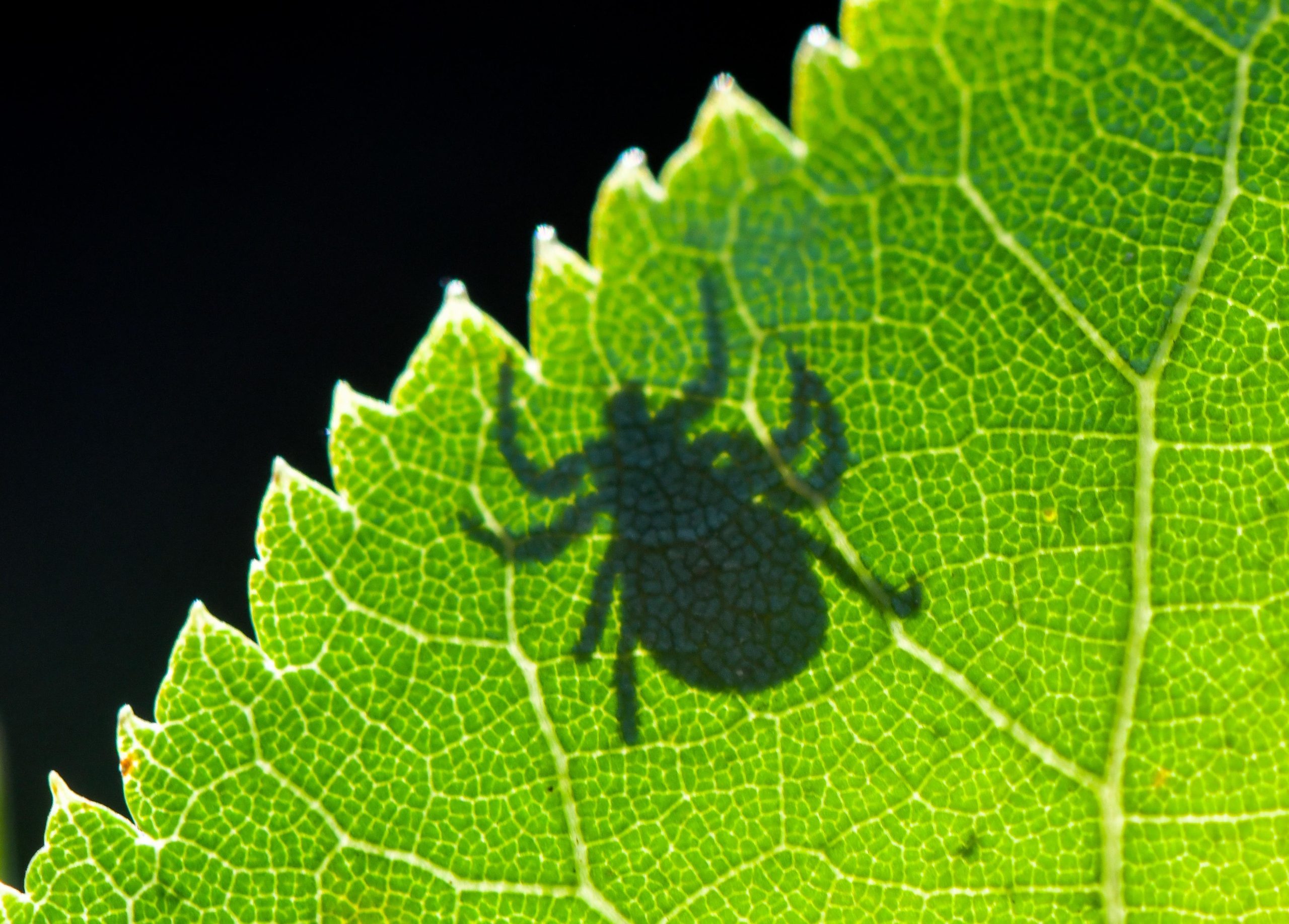
The United States is grappling with an escalating public health challenge, as ticks, once confined to specific regions, are rapidly expanding their territory and posing a growing threat to human health. This pervasive spread, driven by a confluence of environmental shifts, is leading to an unprecedented surge in tick-borne illnesses, forcing Americans to re-evaluate their outdoor activities and even their daily routines.
A Perfect Storm for Tick Proliferation
Several interconnected factors are contributing to the current tick epidemic. Climate change, with its milder winters and altered precipitation patterns, has created more hospitable environments for ticks to thrive and reproduce year-round. Compounding this is a significant shift in land use, often leading to more fragmented habitats that favor tick populations. Perhaps most critically, an explosion in the white-tailed deer population, the primary hosts for adult ticks, has provided a robust transportation network for these arachnids across vast distances. This potent combination means that ticks are no longer a niche concern but a widespread issue, lurking in everything from dense woodlands to suburban backyards and urban parks.
Beyond Lyme: A Spectrum of Tick-Borne Threats
The implications of this tick surge extend far beyond the well-known threat of Lyme disease. Ticks are vectors for a growing array of pathogens, some with severe and even life-threatening consequences. The emergence of Alpha-gal syndrome, a debilitating red meat allergy triggered by a tick bite, exemplifies the evolving and often surprising health risks associated with these parasites. For some individuals, the aftermath of a tick bite can be far more dire, with rare but documented fatal outcomes. Public health officials are finding themselves increasingly caught off guard by the sheer volume of tick-related emergencies, with emergency room visits reaching their highest levels since 2017. This surge highlights a potential disconnect, as many public health departments continue to prioritize mosquito control over tick-borne disease prevention, a strategy that may no longer be sufficient.
Adapting to the Tick Threat: A New Normal?
The pervasive presence of ticks is subtly but significantly altering American lifestyles. A growing sense of caution is influencing how people dress for outdoor excursions, with long sleeves and protective clothing becoming essential even in familiar settings. Hobbies that once involved unfettered enjoyment of nature are now approached with a heightened awareness of risk, and for some, the fear of tick bites has curtailed outdoor activities altogether. This behavioral shift underscores the profound impact this environmental challenge is having on public well-being and the need for a more robust, proactive approach to tick-borne disease surveillance and prevention. As the ticks continue their relentless advance, understanding the drivers of their proliferation and adapting our strategies for mitigating their impact is no longer a matter of convenience, but a critical public health imperative.
Based on materials: Vox



