
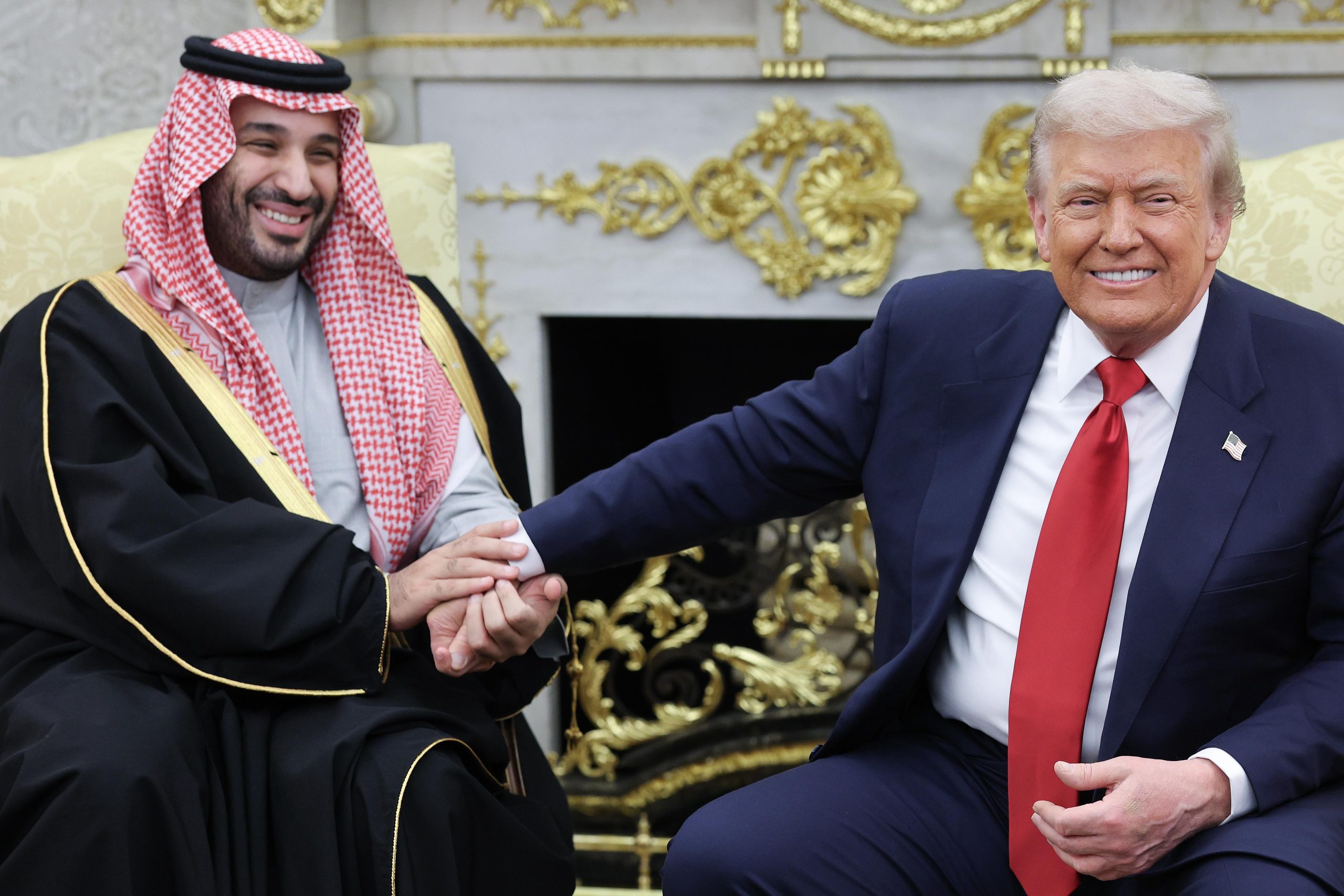
The Trump administration has finalized a significant, multi-billion dollar nuclear energy cooperation agreement with Saudi Arabia, a pact that raises questions about potential internal opposition from President Donald Trump himself. The 30-year deal, signed by Secretary of Energy Chris Wright and his Saudi counterpart, has yet to fully disclose its specific terms. However, early reports from outlets like The Wall Street Journal and The New York Times have highlighted a particularly contentious element: the possibility of U.S. assistance in Saudi Arabia’s uranium enrichment capabilities.
This development arrives at a particularly sensitive moment, given the ongoing geopolitical tensions and the United States’ current engagement in conflict with Saudi Arabia. The potential for the U.S. to aid a nation in developing the capacity to enrich uranium, a process that can be a precursor to nuclear weapons development, is a significant point of concern for international observers and policymakers.
A Deal Fraught with Geopolitical Undercurrents
The agreement, valued in the billions and spanning three decades, aims to bolster Saudi Arabia’s nuclear energy program. While the stated goal is civilian power generation, the inclusion of provisions that could facilitate uranium enrichment is a red flag. Historically, the U.S. has been cautious about sharing such sensitive technology, often requiring strict non-proliferation assurances and limitations on enrichment activities. The fact that this deal might deviate from such established protocols, especially with a nation like Saudi Arabia, has sparked considerable debate.
Critics point to the inherent risk of dual-use technology. Uranium enrichment, while essential for nuclear power, can also be refined to weapons-grade material. The potential for this technology to fall into the wrong hands or be diverted for military purposes is a long-standing global security concern. The timing of this agreement, coinciding with regional conflicts and heightened tensions, amplifies these anxieties, suggesting a potential misalignment between U.S. foreign policy objectives and the specifics of this nuclear pact.
Internal Discrepancies and Future Implications
The reporting that suggests President Trump himself might be at odds with the terms of this agreement adds another layer of complexity. Such internal dissent within an administration over a major international deal is unusual and raises questions about the decision-making process and the ultimate authority behind the agreement’s provisions. It’s possible that different factions within the administration hold divergent views on the risks and benefits associated with aiding Saudi Arabia’s nuclear ambitions.
The lack of transparency surrounding the deal’s exact specifications further fuels speculation and concern. Until the full terms are made public, it remains difficult to assess the extent of the potential risks and the safeguards in place. The implications of this agreement extend beyond the immediate bilateral relationship, potentially influencing regional nuclear proliferation dynamics and the U.S.’s standing as a global non-proliferation advocate. The coming weeks and months will be crucial in understanding the full scope of this controversial pact and its long-term consequences.
Based on materials: Vox



