
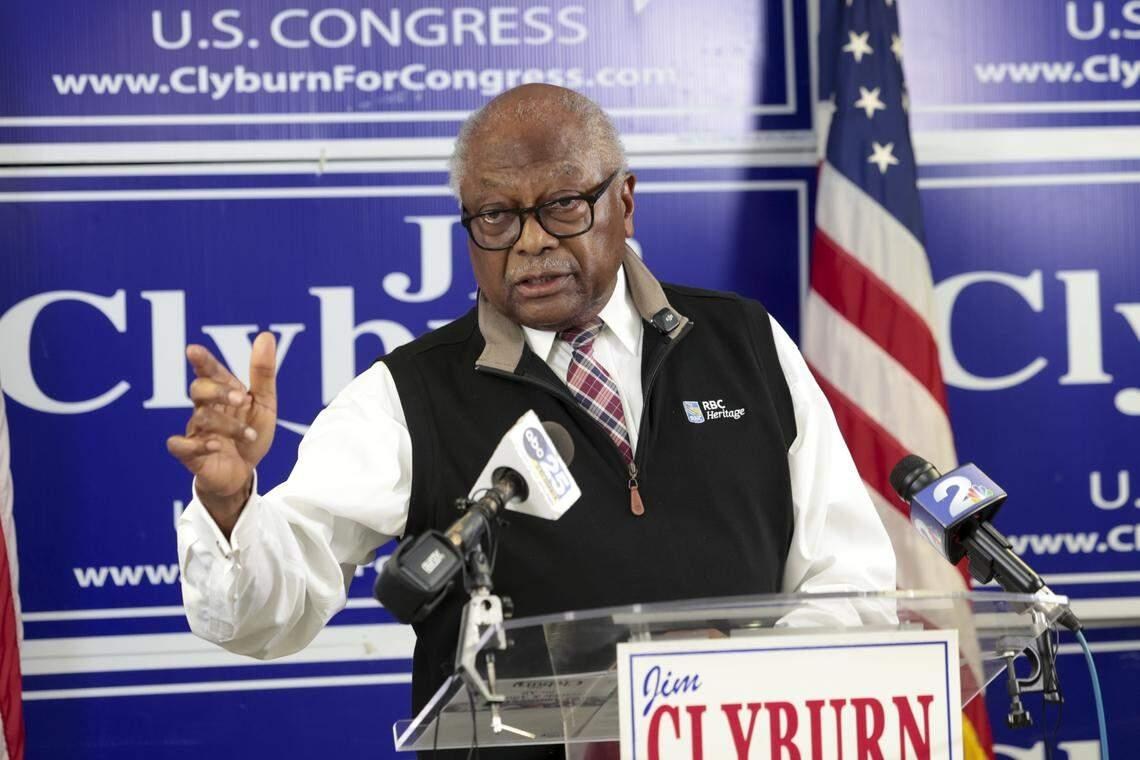
The halls of Congress are growing older, a trend amplified by recent discussions around prominent lawmakers and their advanced ages. With the median age of senators hovering around 64 and a significant number of representatives and senators exceeding 80 years old, the notion of an “old-igarchy” has entered public discourse. This phenomenon has been brought into sharp focus by events such as President Donald Trump’s recent 80th birthday, the passing of Senator Lindsey Graham, and ongoing concerns about Senator Mitch McConnell’s health. Against this backdrop, veteran Congressman Jim Clyburn, at 86, has announced his intention to seek an 18th term, offering a unique perspective on why long-serving members remain in public service.
A Voice from the “Old-igarchy”
On his 86th birthday, Representative Jim Clyburn of South Carolina, a prominent figure in the House Democratic leadership, addressed the perennial question of age and longevity in politics. In a candid interview, Clyburn offered insights into the motivations that keep seasoned lawmakers engaged in the demanding arena of Congress. While the political landscape often emphasizes the need for fresh perspectives and generational shifts, Clyburn’s continued commitment suggests a deeper calculus at play, one that extends beyond mere personal ambition. His decision to run for re-election underscores the complex relationship between experience, influence, and the evolving demands of representing constituents in Washington D.C.
Experience as a Cornerstone of Representation
Clyburn’s explanation for remaining in office is rooted in his belief that accumulated experience is an invaluable asset. He argues that years of navigating complex legislative processes, building relationships across the aisle, and understanding the intricacies of policy development equip him to serve his constituents more effectively. In a political climate often characterized by polarization and rapid change, Clyburn posits that the wisdom gained from decades of public service can be a stabilizing force, enabling him to champion the needs of his district with a nuanced understanding of the challenges and opportunities involved. This perspective challenges the simplistic notion that age alone equates to obsolescence, suggesting instead that seasoned lawmakers can offer a unique form of institutional knowledge and strategic foresight that younger politicians may still be developing.
The Enduring Role of Service
Beyond the practicalities of legislative expertise, Clyburn’s decision also speaks to a profound sense of duty and commitment to public service. For many long-serving officials, the work of representing their constituents and shaping national policy remains a compelling mission. The desire to continue advocating for specific causes, to mentor newer members, or to simply provide a consistent voice for their communities can be powerful motivators. Clyburn’s continued presence in Congress, therefore, can be seen not just as a personal choice, but as a testament to the enduring appeal of public service as a vocation. As the nation grapples with the implications of an aging political class, understanding the perspectives of individuals like Clyburn is crucial for a comprehensive discussion about the future of representation and the balance between experience and new leadership.
Conclusion
The conversation surrounding the age of elected officials is multifaceted, touching upon issues of representation, efficacy, and the very nature of political power. While the “old-igarchy” may raise concerns about stagnation, the continued service of figures like Jim Clyburn highlights the value placed on experience and dedication within the legislative branch. His explanation offers a vital counterpoint to the narrative that age inherently disqualifies individuals from effective public service, suggesting instead that sustained engagement can be a testament to a deep-seated commitment to the principles of governance and the needs of the people they represent. As Congress continues to age, understanding these motivations will be key to shaping a political future that balances the wisdom of experience with the energy of new ideas.
Based on materials: Vox



